

On Angiu, archaeology becomes a resource for tourism: Mandas looks to 2027.
The recent discoveries that emerged from the excavations also confirm the scientific value of the site.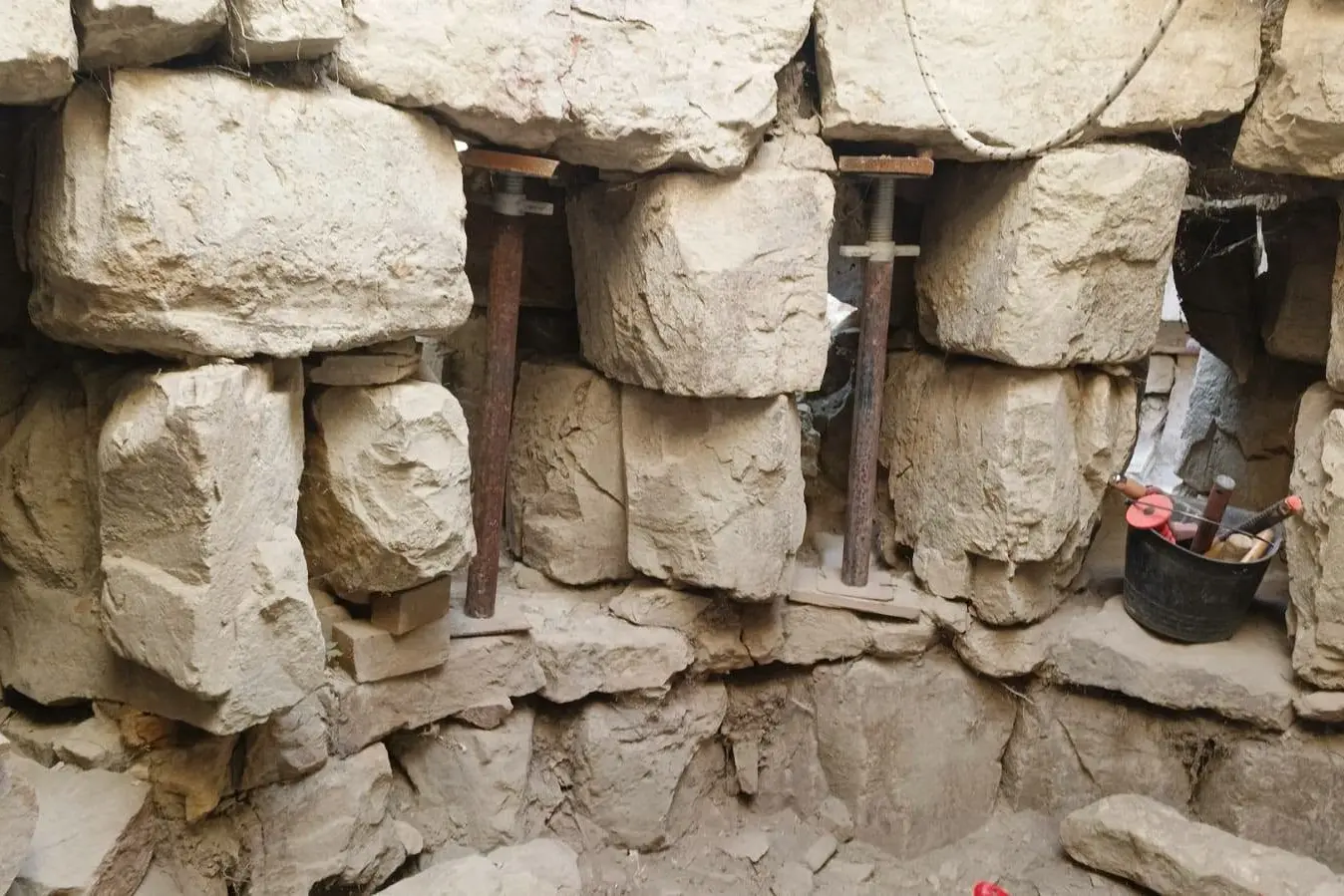
Per restare aggiornato entra nel nostro canale Whatsapp
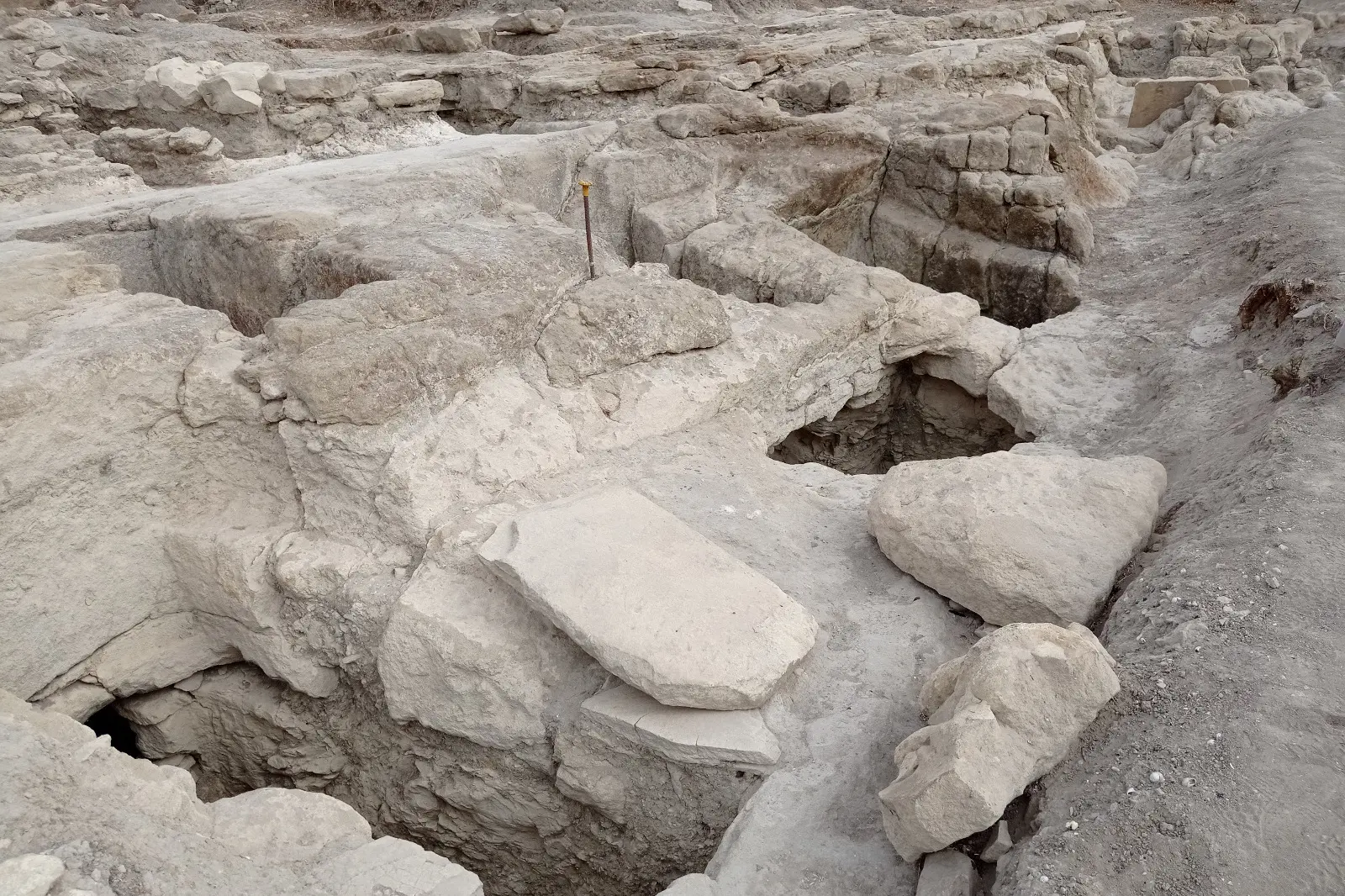
Archaeological tourism as an opportunity to share Sardinia's millennia-old history and create new opportunities for inland areas. This is the perspective guiding the development of Su Angiu, the large four-lobed nuraghe of Mandas, at the center of ongoing interventions and a project that aims to make the site accessible to the public by mid-2027.
"We are promoting an immensely valuable historical and archaeological heritage that will be open to the public in a few months," emphasizes Mayor Umberto Oppus. The site's scientific value is also confirmed by recent discoveries from excavations. Among the traces of daily life over three thousand years ago, oyster, mussel, and clam shells were discovered, evidence of a more varied diet than one might imagine for Nuragic communities. Alongside the mollusc remains, the archaeological evidence paints a picture of food resources that also included farmed and wild animals, such as pigs, cattle, and deer.
Su Angiu also tells a story that extends beyond the Nuragic period, with evidence of Punic and Roman occupation. This stratification heightens the site's cultural interest and strengthens its tourism potential. This is the context for "Train and Nuraghi," a project promoted by the Superintendency and the Municipalities of Mandas, Isili, and Suelli, funded by the Ministry of Culture with two million euros. The initiative connects Su Angiu, Is Paras, and Piscu, connecting archaeology, landscape, and travel along the historic Trenino Verde line. The goal is to build an integrated itinerary capable of enhancing the Nuragic heritage and transforming it into an opportunity for sustainable development for the entire region.






 mountain municipalities: "A separate discipline for the islands"")