

La Maddalena, a man who died after working in the Navy and coming into contact with asbestos: the state will compensate his daughter.
The link between exposure to the carcinogen and the disease has been recognized. The Ministry of Defense will pay €410,000.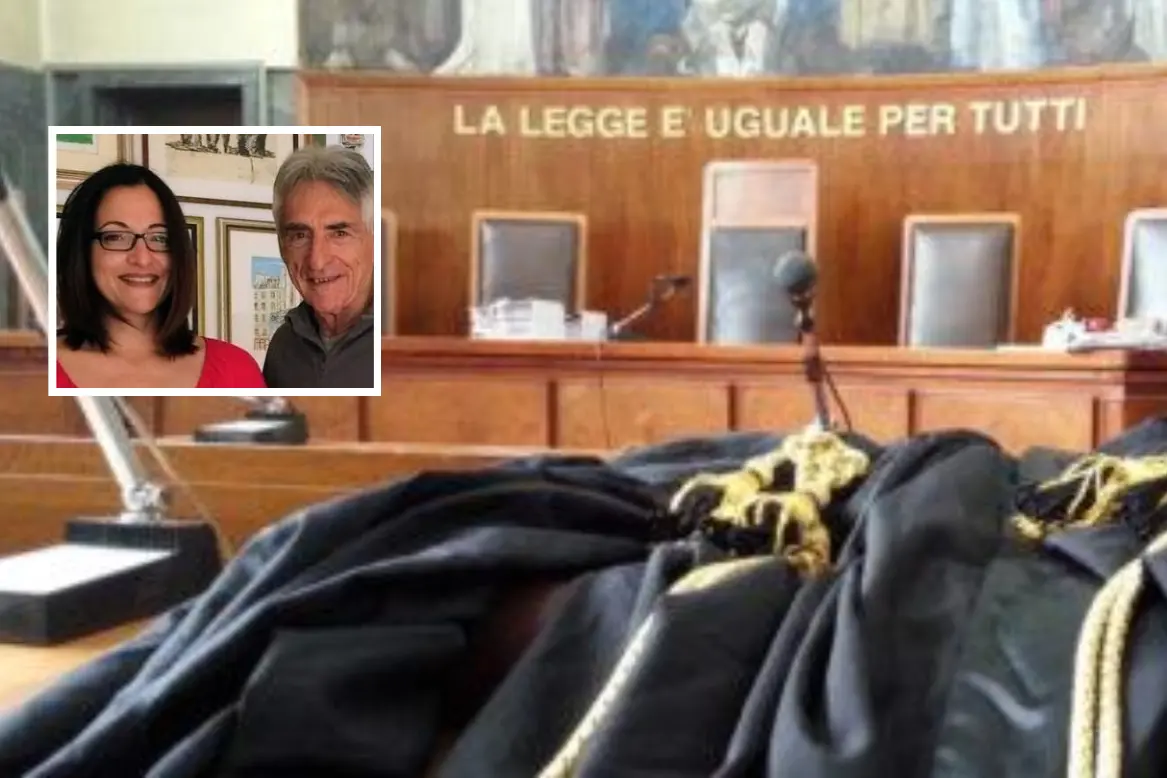
Per restare aggiornato entra nel nostro canale Whatsapp
An important part of Sergeant Luigi Ricci's Navy history passes through Sardinia. From September 1960 to June 1962, he served at the Mariscuola La Maddalena as an electrician and mechanic , before continuing his career aboard various naval vessels. Many decades later, Ricci contracted mesothelioma , the disease that led to his death at age 78.
Today, his daughter Benedetta Ricci obtained recognition of the link between her father's exposure to asbestos during his service and the disease that killed him , with total compensation of over 410,000 euros.
"For me, it was never about numbers. I wanted recognition for what happened to my father. He served the State with honor, dedication, and love. He loved the Navy and everything it taught him and brought him to experience . He served from the ages of 17 to 23, and despite the difficulties and harshness of work and life aboard ships, he was grateful to the Navy for all the distant countries it had given him the opportunity to explore. The discovery of his illness decades later and of its professional origins deeply shocked him. This recognition restores dignity to his story and gives meaning to the path I have decided to pursue for him," Benedetta says.
Luigi Ricci joined the Navy in September 1960, at just 17 years old, and served at the Mariscuola La Maddalena as an electrician until June 1962. He subsequently continued his career aboard the ships San Marco, Artigliere, Intrepido, and Montecuccoli, until December 1966. During his service, according to the court filing, he came into contact with asbestos dust and fibers. On August 12, 2019, Ricci was diagnosed with malignant epithelioid mesothelioma. He suffered a two-year illness, ending his death on December 20, 2021, at the age of 78.
"This ruling recognizes a fundamental point: Luigi Ricci was exposed to asbestos while serving in the Navy, and that exposure was found to be causally linked to the mesothelioma that led to his death. We are talking about a man who served the State and who paid, many years later, the consequences of those working conditions," stated Ezio Bonanni , president of the National Asbestos Observatory and the woman's lawyer.
(Unioneonline/AD)