

Industrial crisis, energy costs, and low incomes: CISL Sardinia raises alarm: "The island risks paying the highest price."
Limited diffusion of methane and strong dependence on electricity, LPG and fuels make families and businesses much more exposed to price increases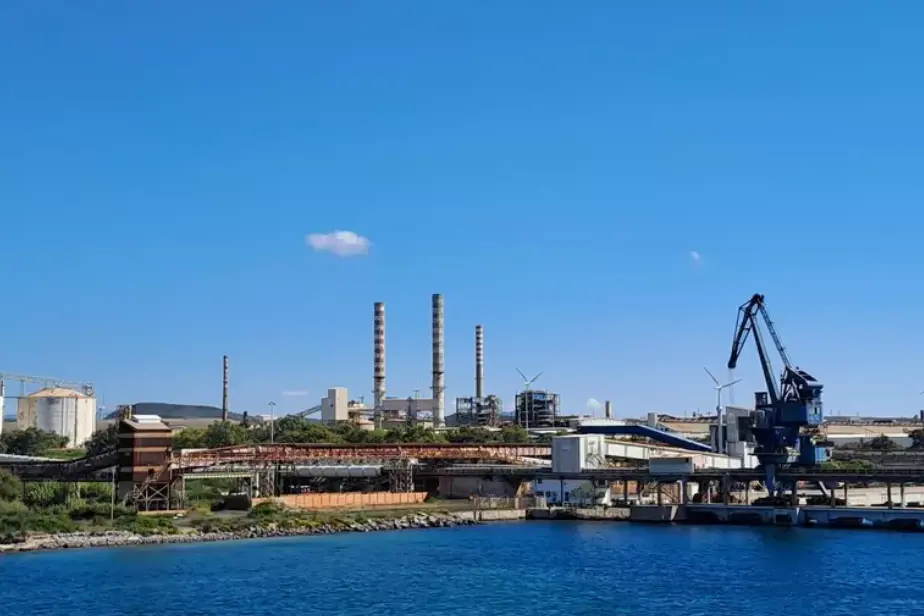
(Ansa photo)
Per restare aggiornato entra nel nostro canale Whatsapp
Industrial crisis , high energy prices , low incomes , and erratic job growth: this is how Sardinia is approaching the debate on the new Regional Energy and Environmental Plan.
This is what emerges from the new report by the CISL Sardinia's "Giannetto Lay" Research Center, dedicated to the relationship between energy, industry, competitiveness, and social conditions on the island.
THE STUDY – The analysis highlights how the weight of industry in the regional economy continues to remain significantly lower than the national average: industry and construction now represent just under 14% of regional added value , within a production structure composed almost exclusively of micro and small businesses, highly exposed to rising energy and logistics costs.
"Energy, industry, and employment are now the same emergency," declared CISL Sardinia general secretary Pier Luigi Ledda . "Sardinia risks paying the cost of the transition more than other regions because it stems from more fragile structural conditions: insularity, high logistics costs, industrial weakness, lower incomes, and severe job insecurity."
The report also highlights levels of energy vulnerability among Sardinian families that are higher than the Italian and European averages . Sardinian families spend an average of over €1,300 per year on energy , with electricity accounting for over 51% of household consumption, compared to the national average of just over 40%. At the same time, the use of natural gas remains extremely limited compared to the rest of the country , while the use of LPG, pellets, diesel, and other alternative fuels, particularly expensive in inland areas, is growing.
INFRASTRUCTURE DELAY – "Sardinia continues to suffer from a significant infrastructure delay in the energy sector," Ledda continues. "The limited availability of natural gas and the heavy dependence on electricity, LPG, and fuels make families and businesses much more exposed to price increases."
EMPLOYMENT CRISIS – The report also highlights how energy fragility is increasingly intertwined with employment and income issues. "In Sardinia, people work fewer days on average than the national average , and the use of NASpI (National Employment Support Fund) continues to be particularly high in many sectors, " Ledda emphasizes. "When discontinuous work increases, any increase in bills, fuel, and logistics costs has an even more severe impact on household incomes and business competitiveness."
The CISL also draws attention to the situation in the island's main industrial hubs, from Portovesme to Sulcis Iglesiente, all the way to Porto Torres. "We're not dealing with individual corporate crises," says Ledda, "but with a genuine regional industrial issue that intertwines energy, employment, infrastructure, and competitiveness."
THE NEW ETS2 – Of further concern is the evolution of the European ETS system and the progressive introduction of ETS2, the new European mechanism that will affect transport, buildings and domestic heating.
"In an island region like Sardinia , ETS2 risks having particularly severe impacts on fuels, transportation, logistics, and heating costs ," Ledda emphasizes. "Without social compensation measures and a strong industrial strategy, the transition risks further widening regional and social divides."
For CISL Sardinia, the new PEARS must therefore become an integral part of an overall development strategy and not be limited to energy planning alone.
(Unioneonline)