

Escape from Nigeria, today Emmanuel scores with the Silì shirt
A young man who is barely over 18 says goodbye to his family and saves up $1,500 to attempt the crossing to Europe.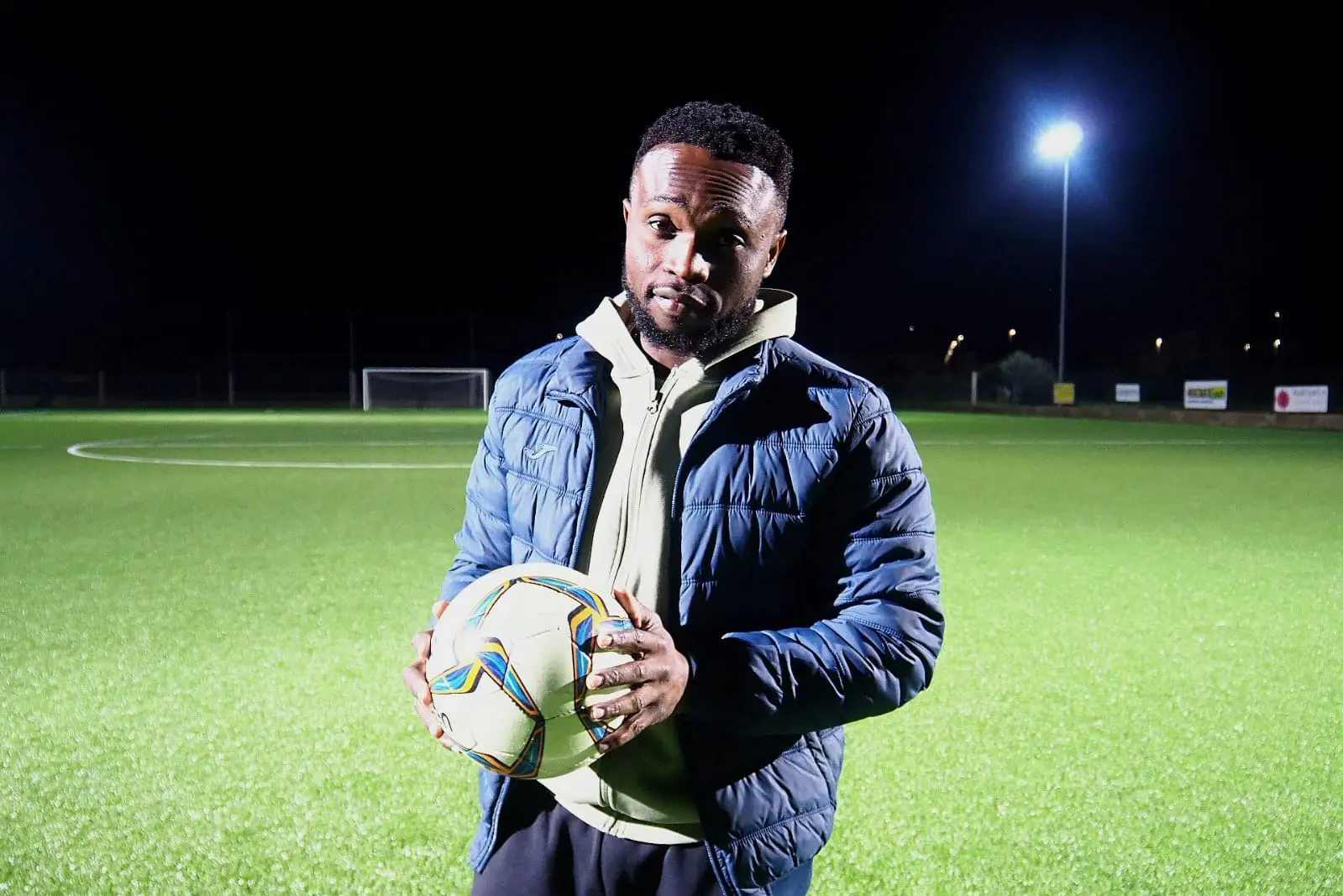
Per restare aggiornato entra nel nostro canale Whatsapp
On the pitch, he never holds back. He presses, chases, and goes for every ball as if it were crucial. Emmanuel is like that. But that determination doesn't just come from character: it comes from a story that weighs and pushes. Because before being a striker who fights until the ninetieth minute, Emanuel had to fight to stay alive.
Today he's thirty years old, has a stable job as a healthcare worker, a family, a starting jersey for Silì Calcio, and a country that calls him by name. Ten years ago, however, he faced a stark choice: leave. Not to pursue a dream, but to survive. He was born in Nigeria, in a land scarred by a conflict that leaves no alternative. As a young adult, he says goodbye to his family and saves $1,500 to attempt the crossing to Europe. He's convinced that the sea is the worst obstacle. He'll discover otherwise.
It took him five months to reach Tripoli. He crossed Nigeria and Niger in battered vans, crammed with other young men, traveling at night, eating little, drinking even less. Then came Libya, where time stood still. He stayed there for almost a year. "It was the hardest time." He was robbed, lost his phone and money, and locked in a room with a friend, unsure if or when he would emerge. They escaped through a skylight. "We had no plan. We were just scared."
Someone helps them, offers food, shows them a way. Emanuel manages to track down the smuggler and is taken to a two-story farmhouse. Inside, there are nearly two hundred people: men on the ground floor, women above, all waiting for the right sea. An unreal wait. Until one day, the owner bursts in, yelling: they must escape immediately. They flee. Moments later, a bomb razes the building to the ground. "If we had stayed there, we wouldn't be here to tell the story."
The sea is no kinder than the land. A hundred people on a dinghy, the darkness, the high waves. "I said a prayer that I thought was my last." Then the lights of a ship, the sighting, the rescue. After two nights, the Sardinian coast appears. He disembarks in Cagliari and chooses Oristano, following some acquaintances. In Cabras, he begins his second life: he studies Italian, graduates from middle school, and works wherever he can, in the fields, in the rice paddies, in an auto body shop.
And it's there that he meets the one he calls his "angel": a cultural mediator who helps him, accompanies him, listens to him. Over time, it becomes love. Football becomes a constant once again: Cabras, Santa Giusta, then Arbus, up to the Eccellenza. Meanwhile, he studies further, earning his qualification as a social health worker. "I like taking care of people. It's my way of giving back what I've received."
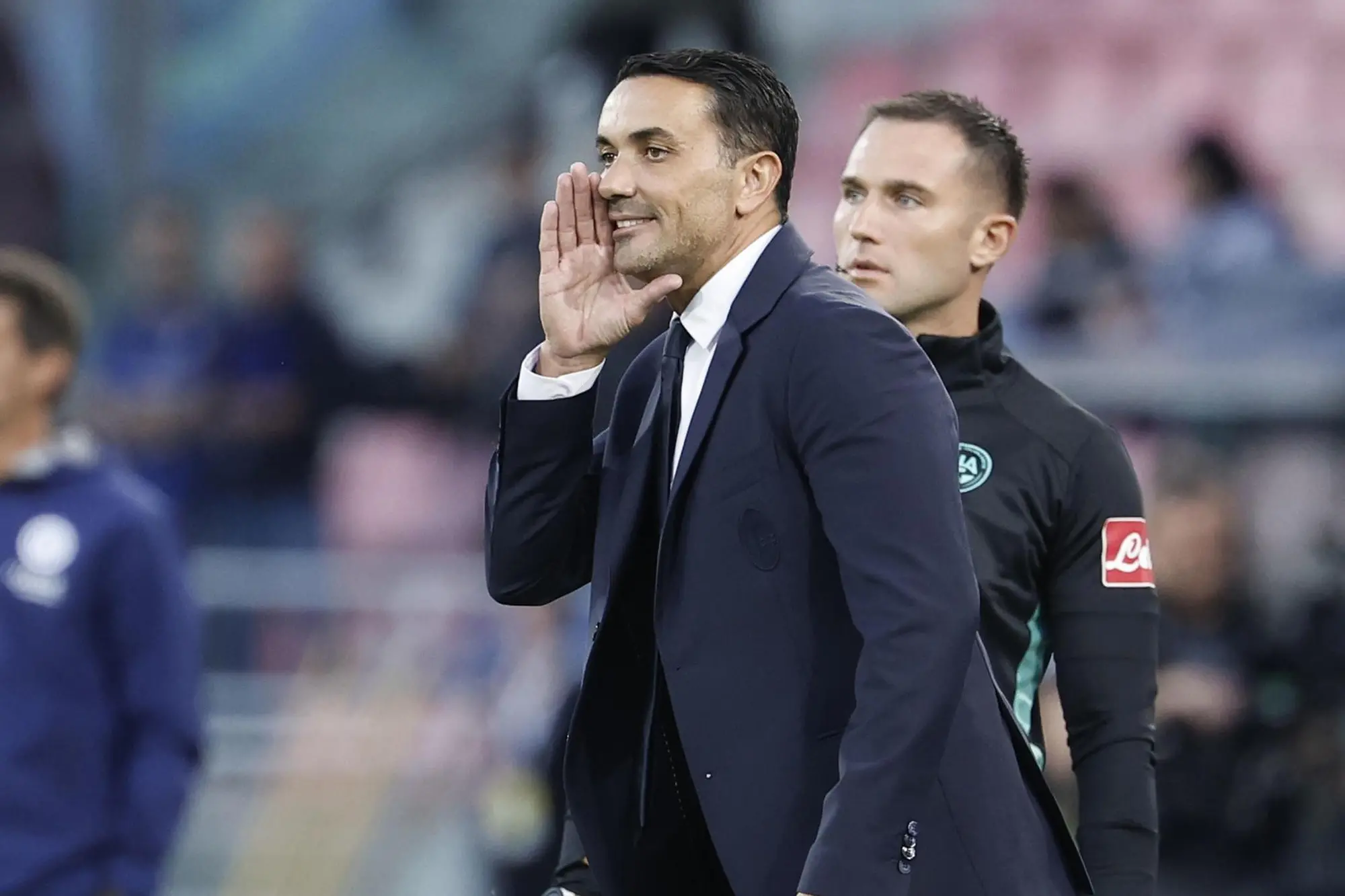
In 2020, Futura was born, "like the Lucio Dalla song." In 2022, Samuel arrived, named after a little brother who is no longer with us. The move to Silì was six years ago. "It's my home." Today, Emanuel scores goals for the Biancoceleste, his last one last Saturday, his eighth of the season. Two symbols coexist in his heart, without conflict. And when he looks back, he seeks neither pity nor rhetoric: "It's a sad story, but a beautiful one. Because it brought me here. If I knew I'd end up with the family I have today, I'd do it all over again."