

Environmental pollution at Sarlux: investigation closed, four under investigation
The Prosecutor's Office suspects spills into the sea and dangerous contamination between 2017 and 2024.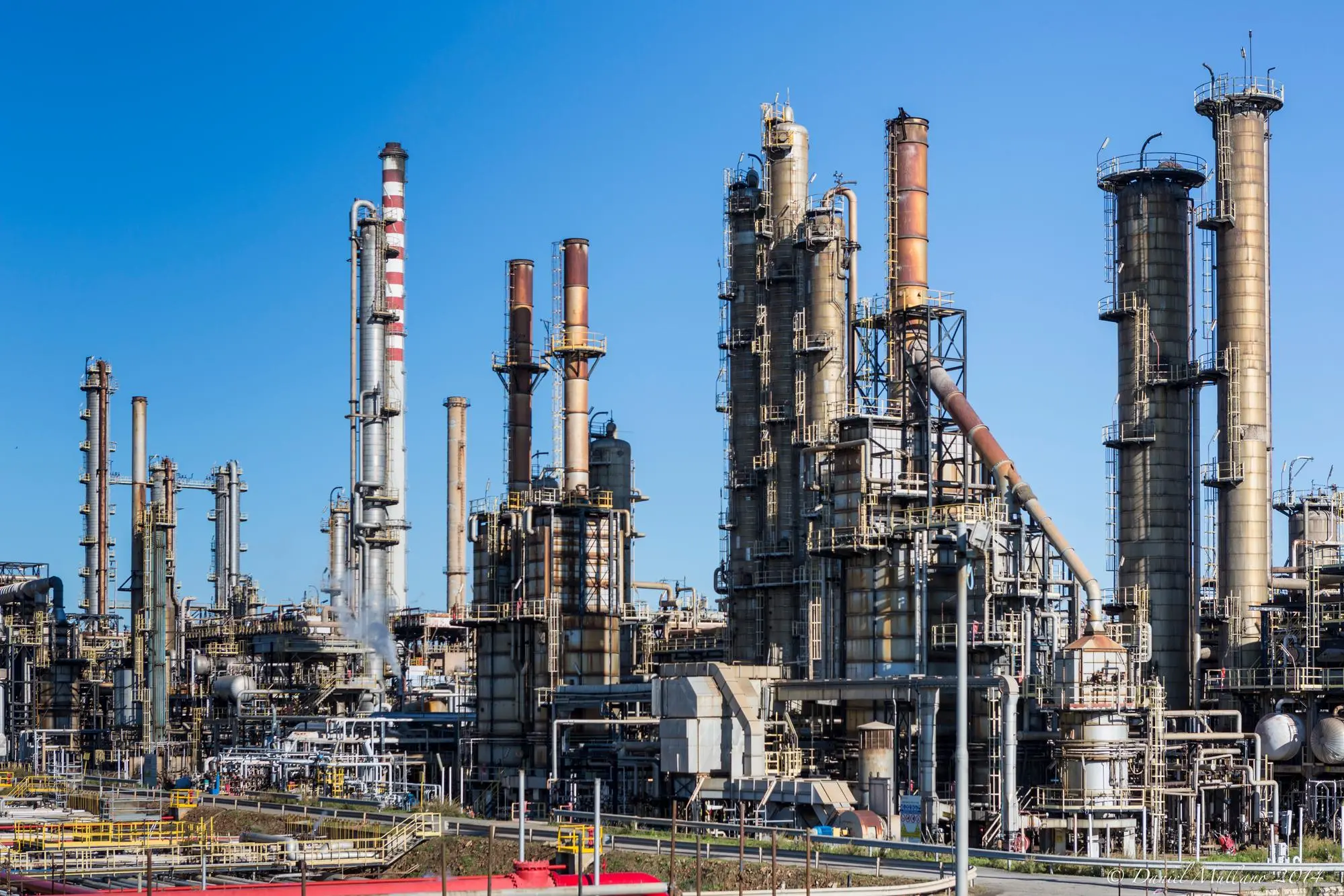
Per restare aggiornato entra nel nostro canale Whatsapp
Hydrocarbons and heavy metals in the sea, but also the damage caused by the flares used to dispose of the waste produced in greater quantities due to increased production. Finally, leaks that would have compromised the soil and groundwater .
The Cagliari Public Prosecutor's Office has closed its investigation into alleged environmental pollution at the Sarlux plant in Sarroch. Prosecutors Enrico Lussu and Nicola Giua Marassi served the notice on Vincenzo Greco , 66, CEO from 2014 to September 2017; Settimio Guarrata , 59, CEO since September 2017 and site manager; Francesco Lion , 73, previously holding a special power of attorney for environmental matters; and Walter Cocco , 58, with similar responsibilities since December 2018. They are all charged with environmental pollution . The company is liable for the administrative offense set forth in Legislative Decree 231 of 2001 on corporate liability.
According to investigators , untreated stormwater, including from industrial areas, containing hydrocarbons and other hazardous substances, was discharged directly into the sea from emergency spillways. The discharges were also used in anticipation of ordinary weather events, when the tanks were full and inadequate to contain the wastewater. The analyses cited in the notice indicate contamination by lead, cadmium, and hydrocarbons . For the latter, the limits were exceeded in ten out of eleven samples, with a peak of 10.5 million micrograms per liter, compared to the maximum limit of 350. Marine sediments also reportedly contained high concentrations of aluminum, manganese, barium, strontium, vanadium, lead, and nickel, as well as petroleum-derived hydrocarbons.
Then there's the "blowdown" system designed for safety and emergencies. The flares were allegedly used as a routine system for disposing of process gases, including those from the incineration of hazardous waste. On several occasions between 2018 and 2021, they were allegedly used without ensuring the 800-degree flame required to eliminate volatile organic compounds. The Prosecutor's Office—following investigations by the Regional Forestry Corps' investigative unit— also disputes the omission of an odor monitoring program : instead, a chemical product was used to mask, in particular, hydrogen sulfide. Thus, the prosecutors claim, the population would not have perceived the emissions, which could have been programmed based on the weather, with the wind blowing offshore.
Leaks of hydrocarbons and other products from the plants were allegedly not promptly repaired , contaminating soil and groundwater above threshold concentrations. The substances listed include benzene, hydrocarbons, ethylbenzene, xylene, phenol, sulfates, ammoniacal nitrogen, iron, and manganese. Adequate maintenance and containment measures, timely reporting of incidents to the relevant authorities, and compliance with response deadlines were reported.
The magistrates allege that the conduct was facilitated by corporate decisions aimed at ensuring production continuity and cutting costs at the expense of the environment . Sarlux is also accused of inadequate organizational models and controls to prevent illegal activities. The period examined runs from 2017 to June 14, 2024, the date of the last complaints regarding the torches.
The defense is being handled by lawyers Alfredo Diana (Greco, Guarrata, and Cocco), Massimo Puddu (Lion), and Francesco Iovino (Sarlux). The defendants will now be able to submit briefs, produce documents, and request questioning; the Prosecutor's Office will then decide whether to request a committal for trial or dismiss the case.
In recent months, another investigation into Saras, coordinated by prosecutor Giangiacomo Pilia and now in a preliminary hearing, was also closed. It concerns the functioning of the flares and a hypothesis of an environmental disaster (whether negligent or intentional) linked to air pollution.