A dog smuggled into Italy tested positive for rabies, prompting veterinarians in Sardinia to be on high alert: "Maximum vigilance."
The president of the Sassari Order of Veterinarians told his colleagues: "We need to increase epidemiological surveillance and public health protection." The animal tested positive for the strain present in Morocco.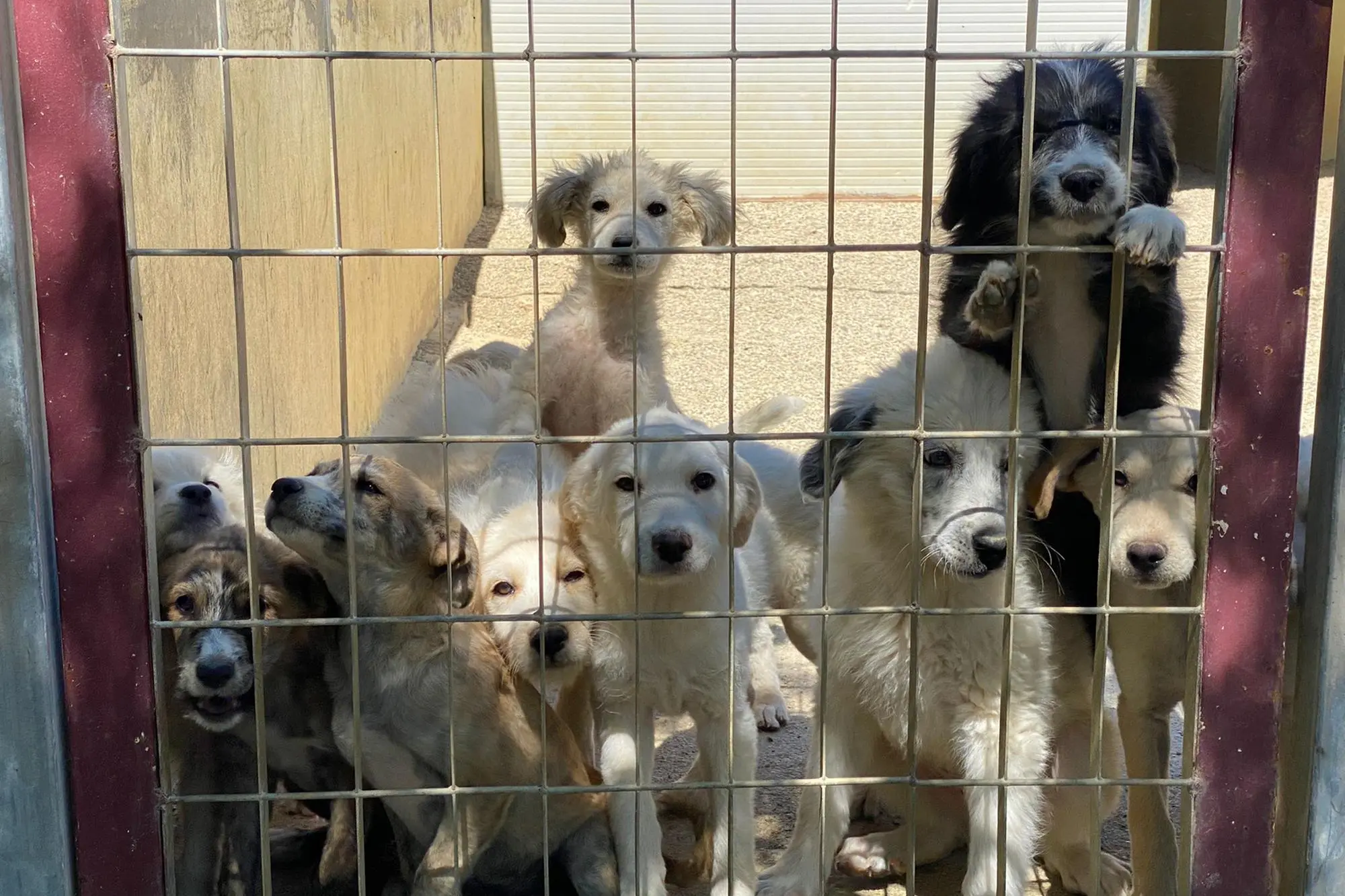
Per restare aggiornato entra nel nostro canale Whatsapp
A confirmed case of rabies in a dog in Vittorio Veneto, in the province of Treviso, is alarming veterinarians, including those in Sardinia . The animal, which died a few days ago, was apparently smuggled into Italy, and the procedures required by health protocols were initiated after its death.
The issue could also affect other regions of Italy. In Sassari , the president of the provincial association of veterinary surgeons, Andrea Sarria , today signed a letter addressed to all members, in which he speaks of "extremely serious events" that draw "attention to the need to maintain epidemiological surveillance and public health protection at the highest levels."
"The National Reference Center for Rabies," it writes, "has confirmed a positive test for the Lyssavirus genus in a dog residing in the municipality of Vittorio Veneto (Treviso). Diagnostic testing and genomic sequencing, performed by the Istituto Zooprofilattico Sperimentale delle Venezie, have highlighted a high genetic correlation with viral strains circulating in Morocco , a geographical area where the disease is endemic. According to the findings of the competent authorities," it continues, "the animal was brought into Italy in violation of current European Union regulations."
Following the animal's death, "the forced isolation of the exposed animals for six months was ordered, along with the initiation of prophylactic vaccinations for healthcare workers and civilians who came into contact with the infected individual , as well as mandatory rabies vaccination for the entire feline and canine population of the affected municipality. Furthermore, a further suspected case involving a feline introduced using similar methods has been reported."
Hence, with the aim of immediately isolating any further cases, veterinarians are urged to " rigorously verify the validity of documents and pet passports for animals of foreign origin and to examine the animal's recent travel history if neurological symptoms or atypical behavior are observed."
But we must also "constantly raise public awareness of the health and criminal risks associated with the illegal introduction of animals from non-European territories , and promptly report any suspicious cases or obvious document irregularities to the relevant veterinary services."
(Unioneonline/An.De)