A doctor's shocking complaint: "With these shifts, we're putting patient safety at risk."
The letter sent to company management: "Too many night shifts, high hours, and too little rest. This way, we can't guarantee care."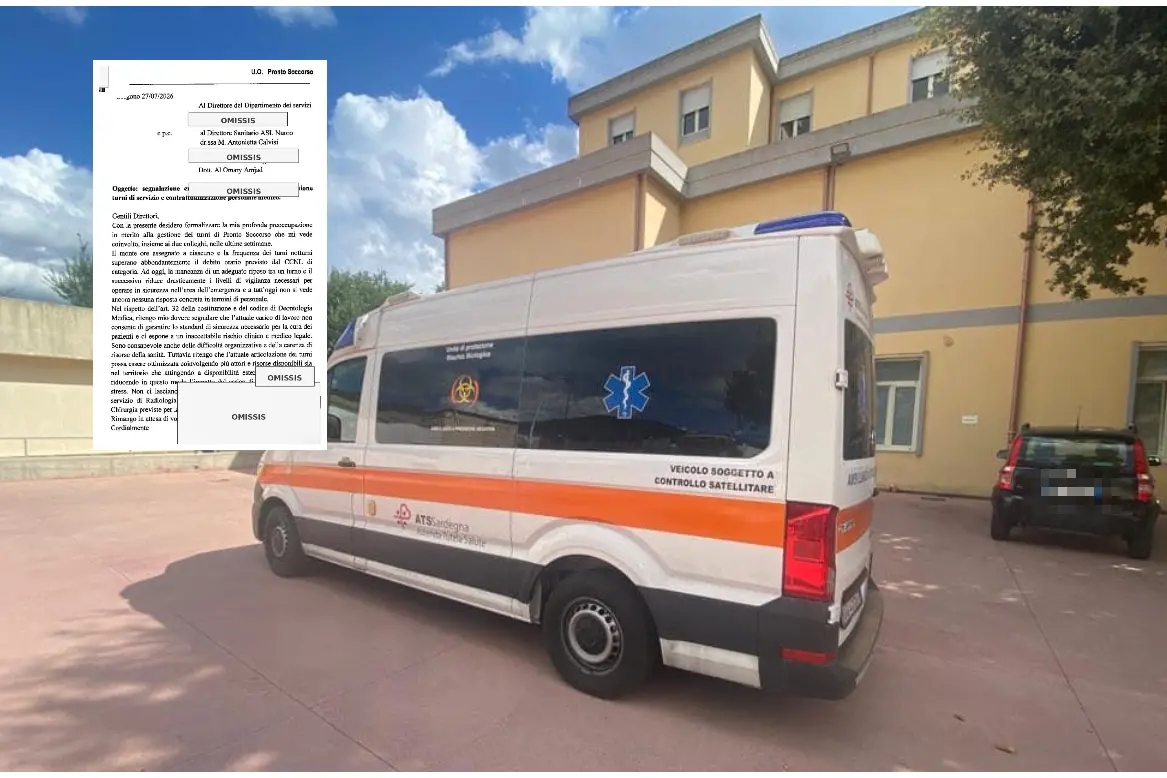
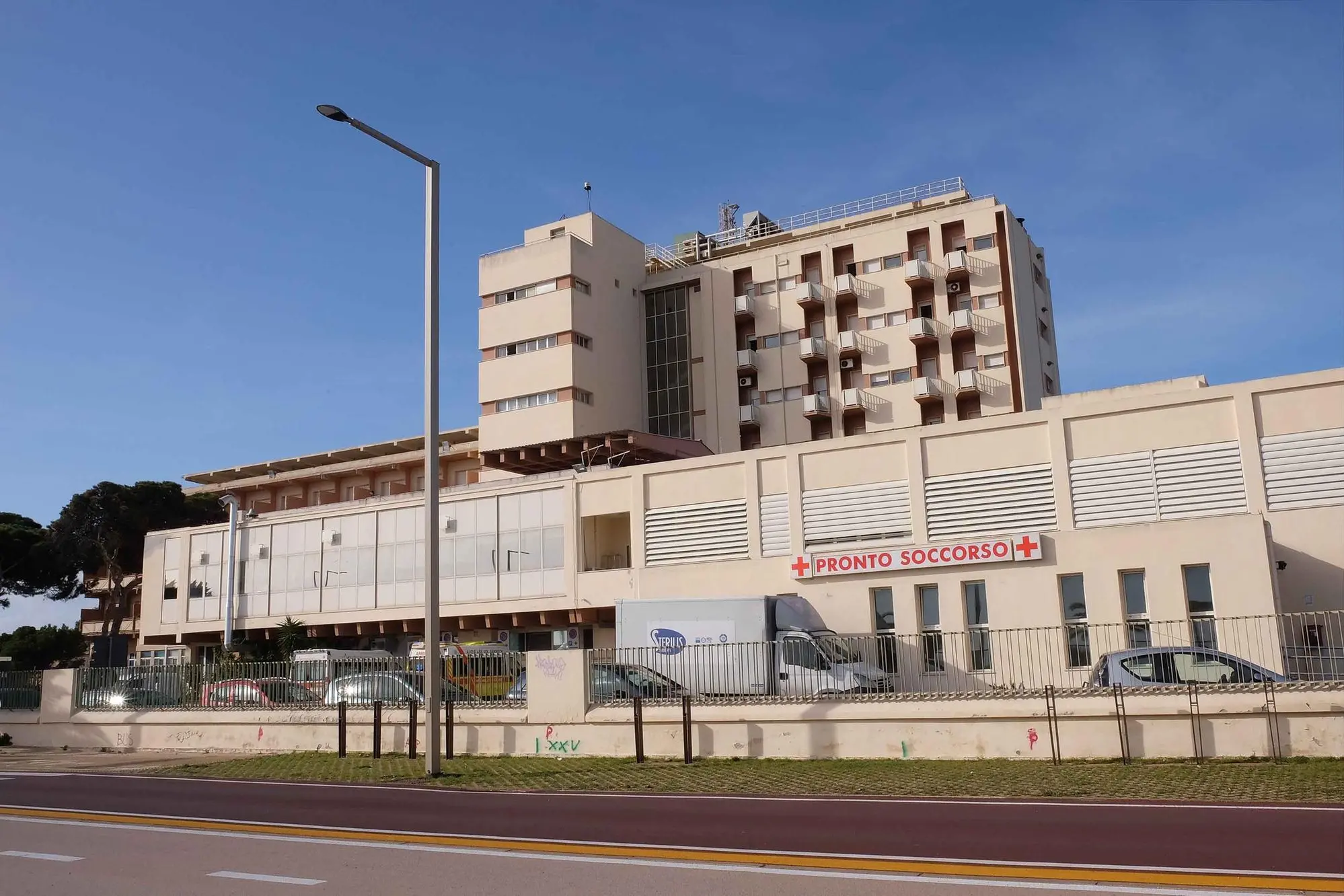
San Camillo Hospital in Sorgono, with the doctor's letter in the box.
Per restare aggiornato entra nel nostro canale Whatsapp
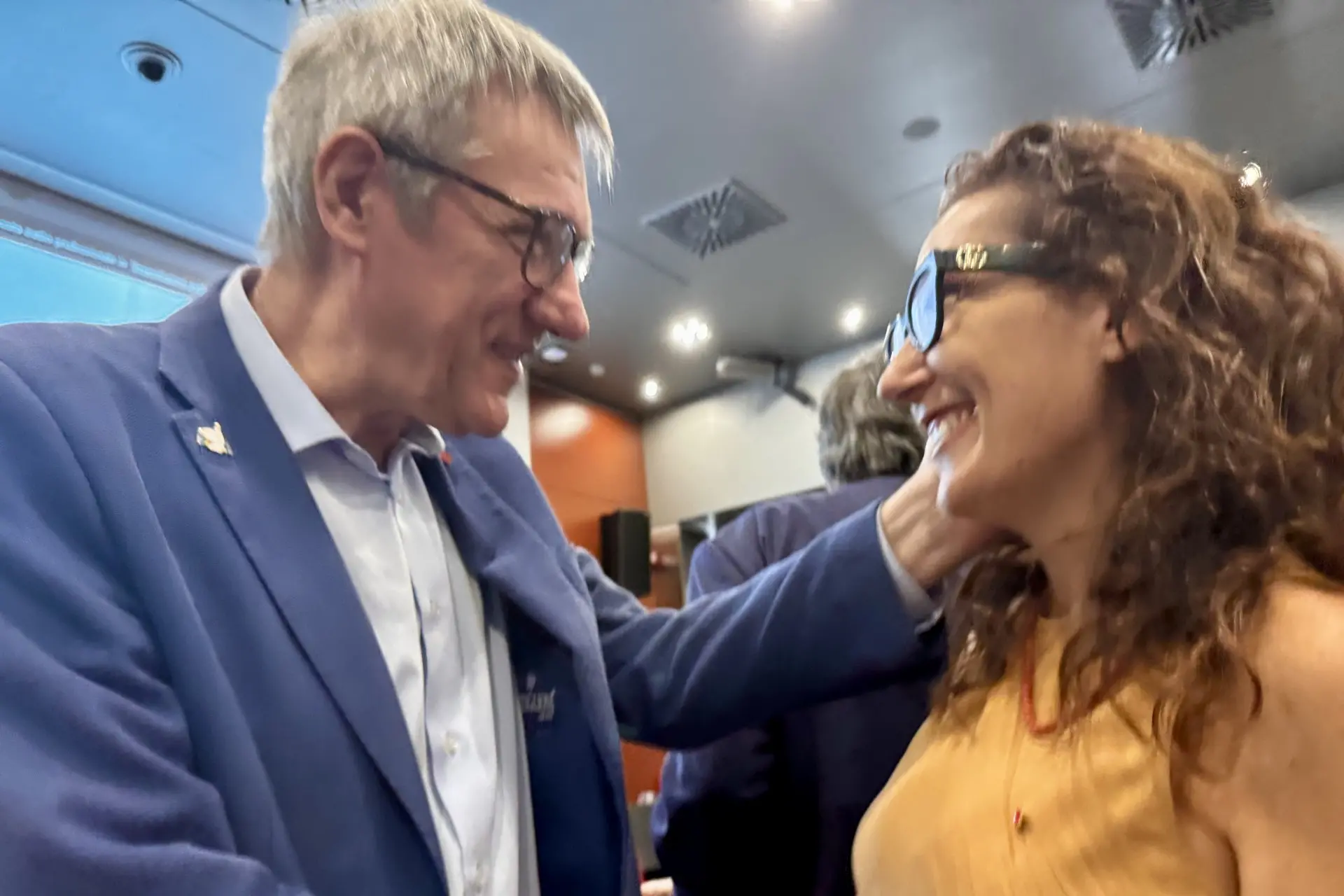
Endless shifts, and a chilling appeal from a doctor at the emergency room at San Camillo Hospital in Sorgono. It was meant to remain confidential, but it's been made public thanks to former health councilor and parliamentarian Roberto Capelli.
The doctor speaks firsthand of exposure to "unacceptable clinical and forensic medical risks" due to extreme working conditions. He emphasizes how lack of rest and endless night shifts "dramatically reduce the levels of vigilance required to operate safely in the emergency area."
The letter
Here's what one of the three doctors at the Sorgono emergency room wrote in an appeal to company management: "I would like to express my deep concern regarding the management of emergency room shifts, which I and two colleagues have been involved in over the past few weeks. The number of hours assigned to each of us and the frequency of night shifts far exceed the required working hours established by the national collective bargaining agreement for our sector. To date, the lack of adequate rest between shifts drastically reduces the level of vigilance required to operate safely in the emergency room, and to date, no concrete response in terms of staffing has been seen. In accordance with Article 32 of the Constitution and the Code of Medical Ethics, I feel it is my duty to point out that the current workload does not allow us to guarantee the safety standards required for patient care and exposes us to unacceptable clinical and medical-legal risks. I am also aware of the organizational difficulties and resource shortages in the healthcare system. However, I believe that the current shift structure could be optimized by involving more actors and available resources both locally and by drawing on external resources."
All the critical issues in the Nuoro area
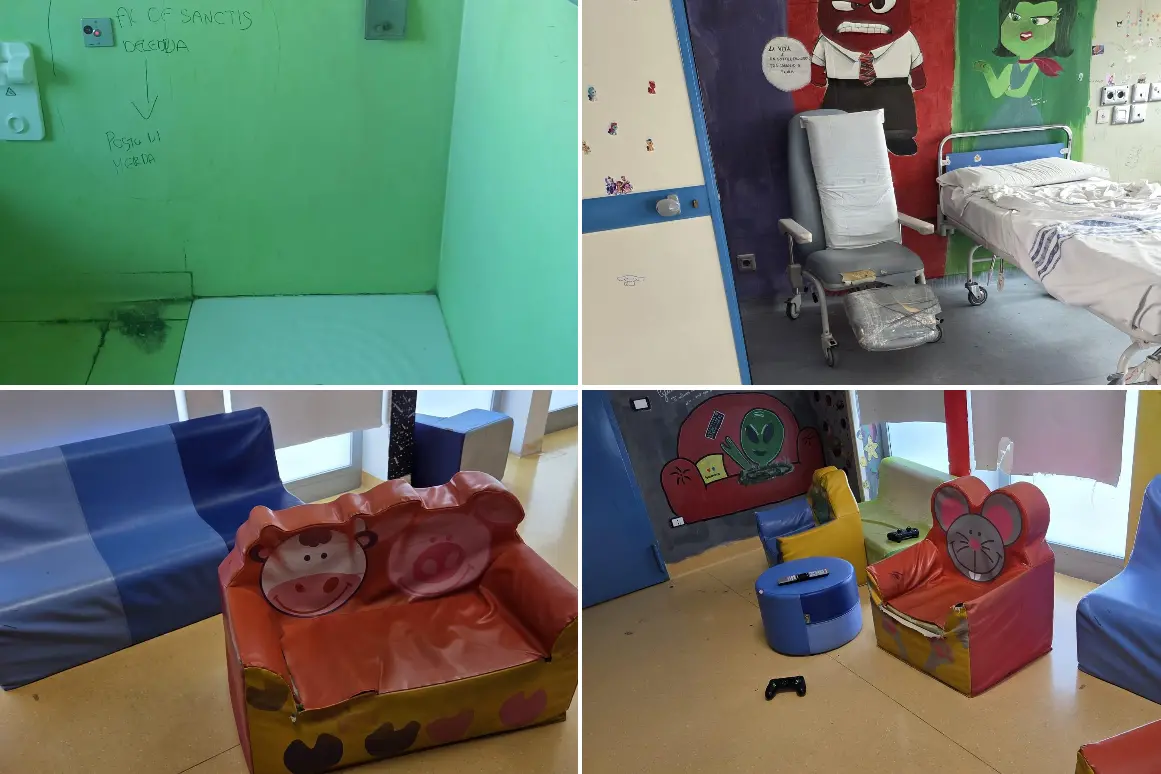
Words from a professional asking for help, solutions from the top management of Local Health Authority 3. In his complaint, bringing to light a crucial document, Cappelli is direct and concrete: "The documents reveal a very different reality from the official communication. At San Camillo in Sorgono," he reports, "serious concerns are emerging about shifts, workloads, rest periods, clinical risk, and the maintenance of essential services. At San Francesco in Nuoro, there are reports of patients stuck in wards waiting for accommodation, abnormal lengths of stay, overcrowding, unavailable beds, and acute patients forced to find space where there is no more space. In some cases, we are talking about stays of up to 200 days! We are not dealing with an administrative delay: we are dealing with a failure of coordination between the hospital, the local community, intermediate facilities, and the social system (COT – Territorial Operations Center)."
The former parliamentarian revealed that, over ten days ago, he urgently requested the President of the Province of Nuoro, Giuseppe Ciccolini, and, for information, the mayor of the provincial capital, Emiliano Fenu, "a formal request, given the absence of political/institutional representatives, to take an active role in promoting the urgent convening of the Local Health and Social-Health Conference of the ASL3."
Capelli explains that so far there has been no response: "My aim was to bring the crisis at San Francesco, San Camillo di Sorgono, the districts of Macomer and Siniscola, the local services, the medical, nursing, and healthcare workers' shifts, the vulnerable facilities, and the construction sites funded by the National Recovery and Resilience Plan (NRRP) to a competent institutional forum. To date, there has been no response. There has been no visible assumption of responsibility by the local institutions charged with representing this region. The only institution that has responded has been the Prefecture of Nuoro. The State, at least, has responded. The autonomous Sardinian institutions, on the other hand, are silent or hiding behind a deafening silence."