

The right to be heard: eighty years ago, women first voted
The public and dutiful recognition of a citizenship that had until then been denied, Mattarella: "A genuine democratic turning point."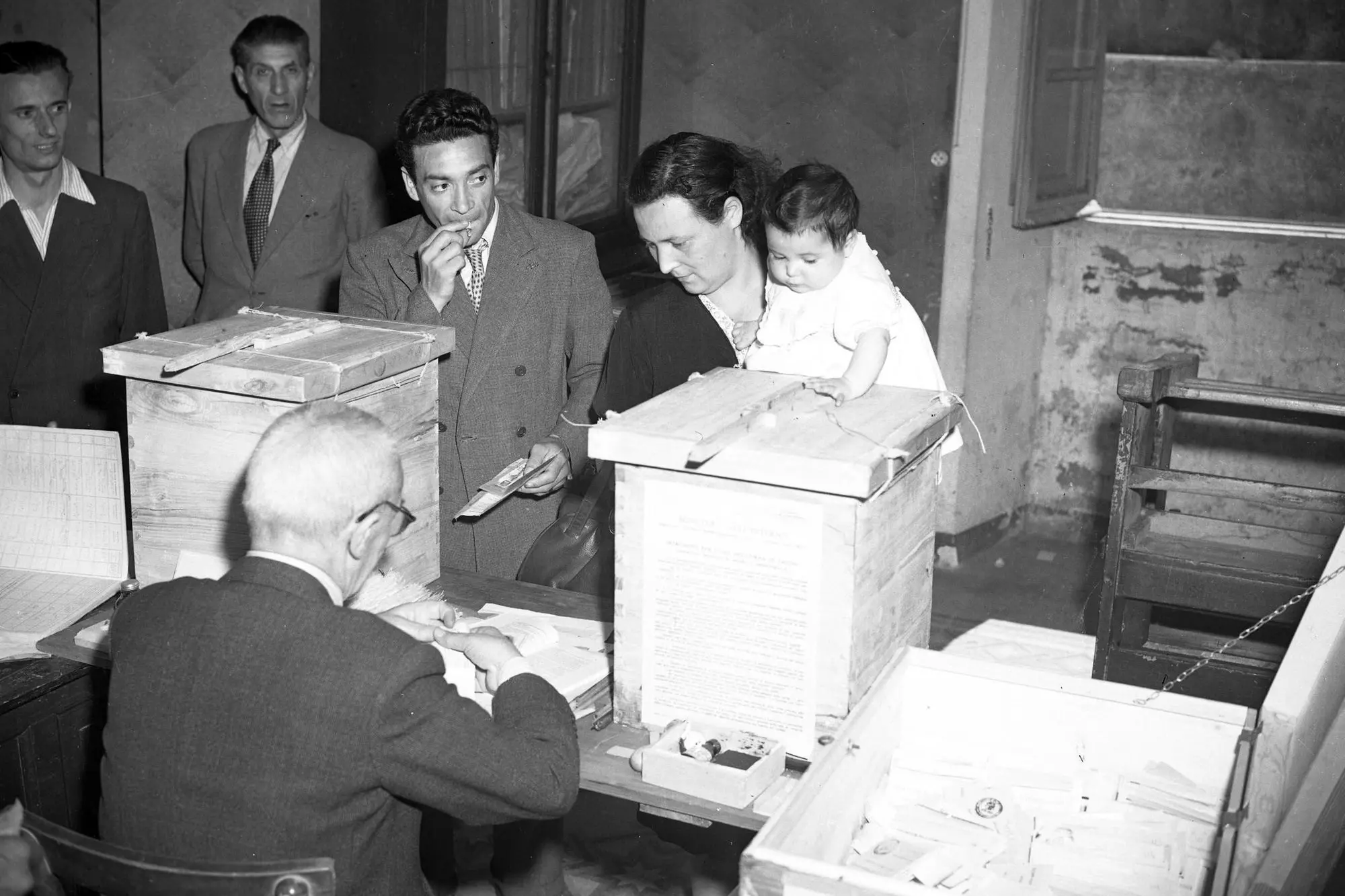
On June 2, 1946, for the first time, all Italian women were able to vote, participating in the choice between monarchy and republic and in the election of the members of the Constituent Assembly (ANSA)
Per restare aggiornato entra nel nostro canale Whatsapp
Eighty years ago, millions of Italian women entered a voting booth for the first time to decide the future of the country. It was June 2, 1946. Italy was emerging from the rubble of war and preparing to decide not only between monarchy and republic, but also the face of its democracy.
The photographs of that day tell more than all the history books put together. Emotional faces, hands clutching voter cards, orderly lines in front of the polling stations. Women young and old, workers and teachers, farmers and office workers . Some had lost sons, husbands, brothers. Many had contributed to the Resistance.
They all felt that the vote was not just a right they had earned: it was the public and dutiful recognition of a citizenship that had until then been denied by the institutions.
"A sign of a truly democratic transformation in our country came when women finally voted for the first time in 1946," said President Sergio Mattarella. "A new path, based on peace, freedom, democracy, and social justice, enshrined in the Constitution that came into force on January 1, 1948."
Women played a crucial role and influence in that first election: 12,998,131 women voted, compared to 11,949,056 male voters. And on the benches of the Constituent Assembly sat the twenty-one "first female parliamentarians," then known as "Constituent Mothers," careful not to disappoint the hopes of those who had chosen them there.
Eighty years later, that first vote retains a surprisingly timely force. Because democratic achievements are never definitive: they thrive on participation, civic engagement, and the determination to never take anything for granted.
That June of 1946, winning the right to be heard was the culmination of decades of cultural, social, and political battles waged by citizens who demanded full recognition as such in a country that considered them merely household angels. It was the starting point for a more equal society.