

She killed her violent father, acquitted on appeal for self-defense
The 20-year-old: "I don't know how I feel." The lawyer: "Justice has been done, she didn't deserve the sentence."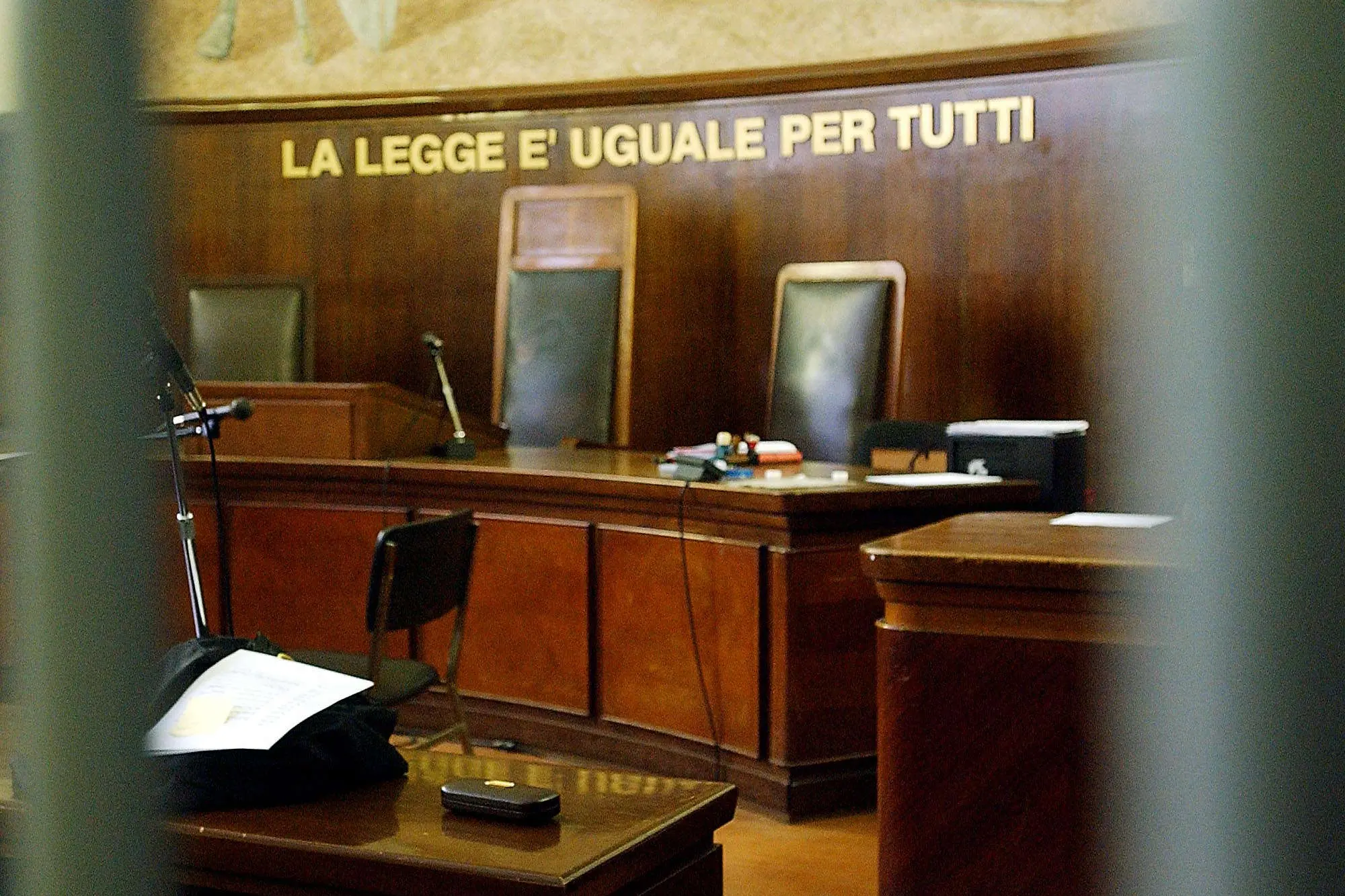
Per restare aggiornato entra nel nostro canale Whatsapp
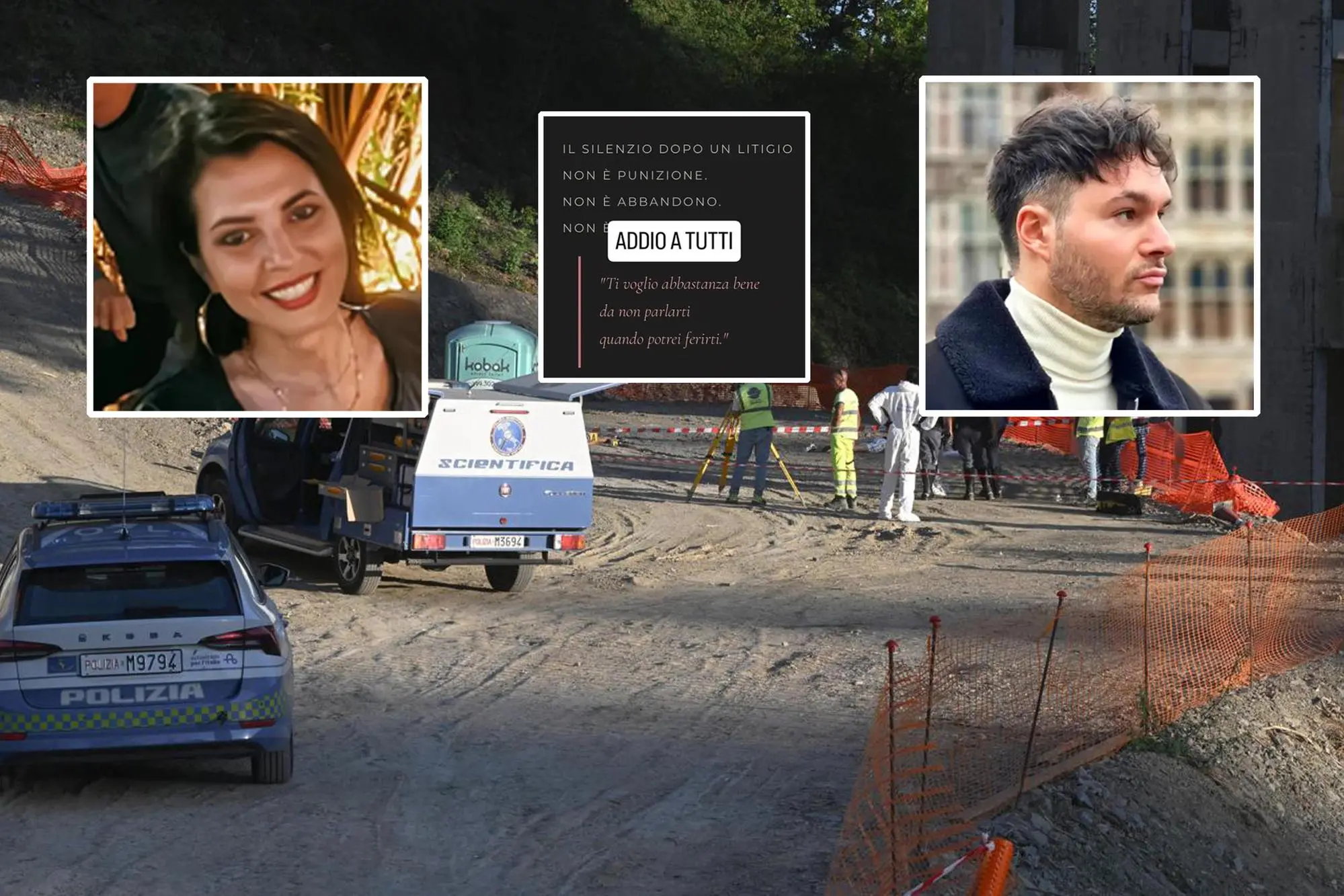
"Run, Mom!" she shouted as she tried to resist her father's fury, holding a knife. Makka Sulaev , 20, was moved today when she heard the judges overturn her nine-year and four-month murder sentence with the words "not punishable for self-defense." Then, in Courtroom 2 of the Turin Palace of Justice, she turned and hugged her lawyer.
The acquittal, handed down by the Court of Assizes of Appeal of the Piedmontese capital, addresses what happened on March 1, 2024, in an apartment in Nizza Monferrato (Asti). It was yet another argument in a family of Chechen origin that, from the outside, seemed anything but problematic. They were well-adjusted, with parents working regular jobs and children attending school. But the reality was different. This was made clear by Martina P., the young woman Makka's mother had turned to for help with her two younger children's homework, testifying at the trial.
That day, Martina was at the Sulaevs'. "At a certain point, I heard very loud voices. One of the little brothers took a tablet and started recording, saying, 'You know, dad hits mommy,' as if it were not the first time."
The audio recordings were played in the courtroom. Women's voices screaming to the point of agony, a few words in Russian, the sharp sound of a slap. Martina "gets in the way," and to Akhyad Sulaev, the man who tells her "I want to talk," she bravely responds, "You're not talking, you don't hit people, you can talk, but with me in front of you." Then more shouts, louder than before.
According to Makka's lawyer, Massimiliano Sfalcioni, today "justice has been served: this girl did not deserve the first-instance sentence." The Asti judges had not accepted the argument of self-defense . Indeed, they had gone so far as to assert that Makka had long ago decided to "solve the problem" of her abusive father once and for all. Prosecutor Massimo Baraldo, in requesting confirmation of the sentence, expressed his "sorry" but added that "our Attorney General's Office wishes to reiterate that the rule of law and the prohibition of self-defense must be respected."
"Even in cases of domestic abuse," he emphasized, "one cannot take justice into one's own hands. And above all, no matter how deplorable, unspeakable, and unacceptable Akhyad's behavior was, a death sentence cannot be imposed." Makka's lawyer, Massimiliano Sfalcioni, took a different view : "In cases of domestic violence, the law on self-defense cannot be framed in this way, with a legacy that harks back to the 19th century. These are not cases to be handled with the usual tools. We're not talking about grown men arguing in the street; we're talking about victims of domestic violence, about weak, vulnerable individuals. It's been said that the situation could have been handled differently, that there are law enforcement agencies and shelters for those who report, but we must place ourselves in the context of what was happening at home at that precise moment. It's also been said that if the police had arrived five minutes earlier, Akhyad wouldn't have died. But Martina had called the police. And he had continued to attack, to strike."
"I still can't say how I feel. I feel good, but not great. I don't know." Emotional and confused, Makka turned to those who spoke to her immediately after the verdict was read. In a few days, she'll take her high school diploma. Then she wants to enroll in medical school. The family has words of thanks for "the people who supported us," including "the lawyer, the city council, the psychologist, friends, everyone."
And Makka, leaving the Palace of Justice, explains that she has to "go and sign at the Carabinieri." But then they remind her that the judges, in acquitting her, also relieved her of this obligation.