Electrolux halves production in Italy: 1,700 redundancies out of 4,000 employees, all locations excluded.
The Cerreto d'Esi plant in the Marche region is scheduled to close. Urso has called a meeting for May 25th.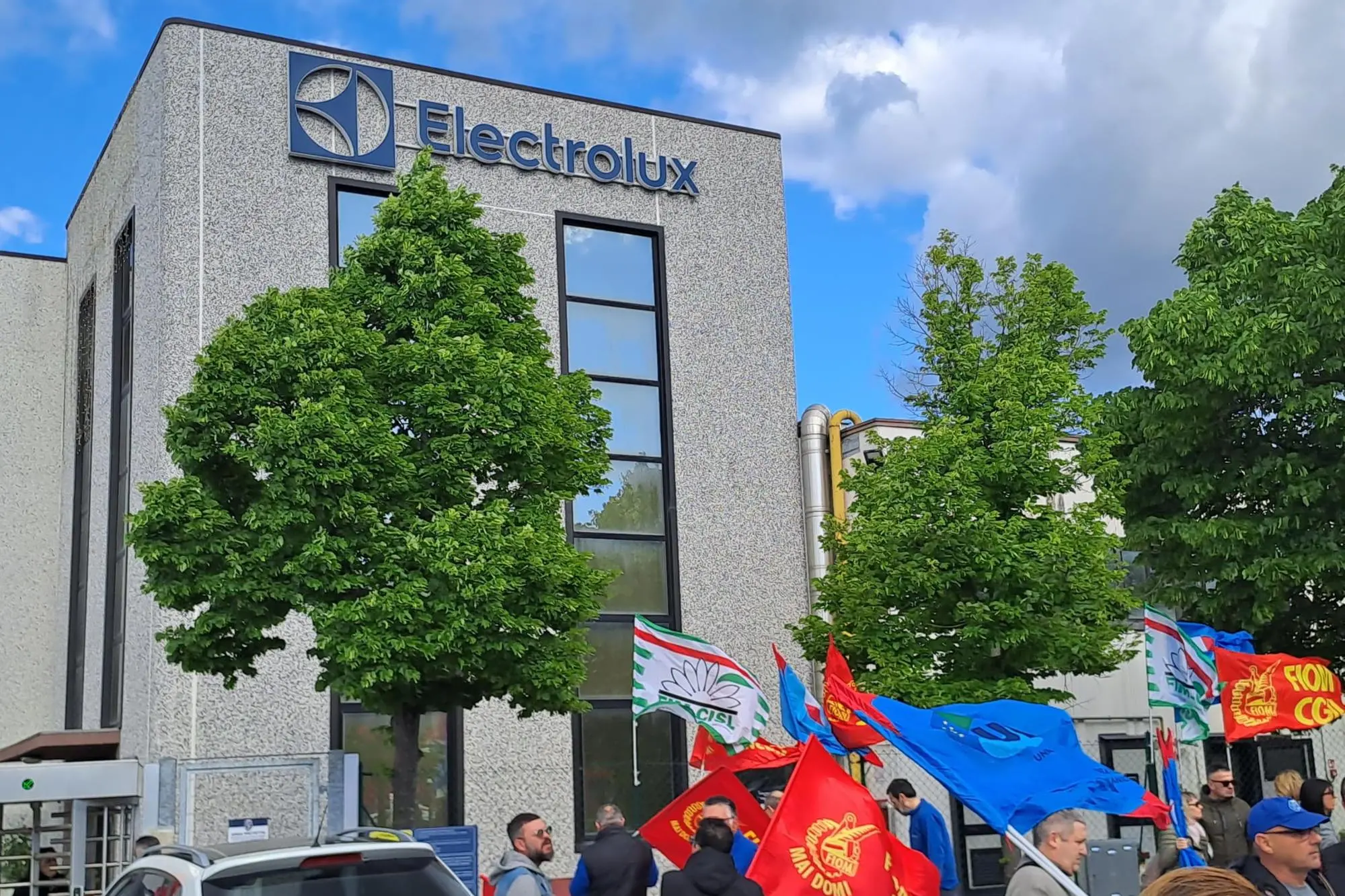
Per restare aggiornato entra nel nostro canale Whatsapp
Electrolux Italy has announced a "process of optimization of approximately 1,700 positions," a term that the sector unions meeting in Venice for a national coordination meeting immediately translated into "1,700 redundancies." The measure will not affect any of the group's five Italian locations, located in Emilia-Romagna, Friuli-Venezia Giulia, Lombardy, Marche, and Veneto. The decision has sparked widespread reactions, with CISL leader Daniela Fumarola calling it "cynical and antisocial strategies at the expense of workers" and recalling that "those who invest in our country also have a social responsibility towards employment and the national productive fabric."
The "organizational overhaul" announced by the group at the Confindustria headquarters envisages a reduction of approximately one-third of the workforce. This is enough to prompt the unions to immediately reject the plan, call an eight-hour strike starting today, and demand that the discussions be moved to the ministerial level.
The most striking aspect of the proposed plan is the complete closure of the Cerreto d'Esi (Ancona) plant, which primarily produces extractor hoods and employs 170 people. However, all other sites—Porcia (Pordenone), Susegana (Treviso), Forlì, and Solaro (Milan)—will also be affected, provided they perform less advanced manufacturing. This is part of a strategy, the company states in a statement, of "targeted optimization of operations, rationalization of product configurations and volumes, and a more decisive concentration of resources on higher value-added ranges." All of this will be accomplished within a "short" timeframe, which, given the company's size and the complexity of the plan, should mean within a year.
The Minister of Enterprise and Made in Italy, Adolfo Urso, has already convened a roundtable discussion on the dispute for Monday, May 25, at 3:00 PM, at Palazzo Piacentini. Representatives of the company and trade unions will be present at the meeting, along with representatives of the regions where the group's plants are located. The roundtable aims to explore the employment and industrial implications of the dispute and to examine possible actions to protect workers and ensure production continuity.
(Unioneonline)