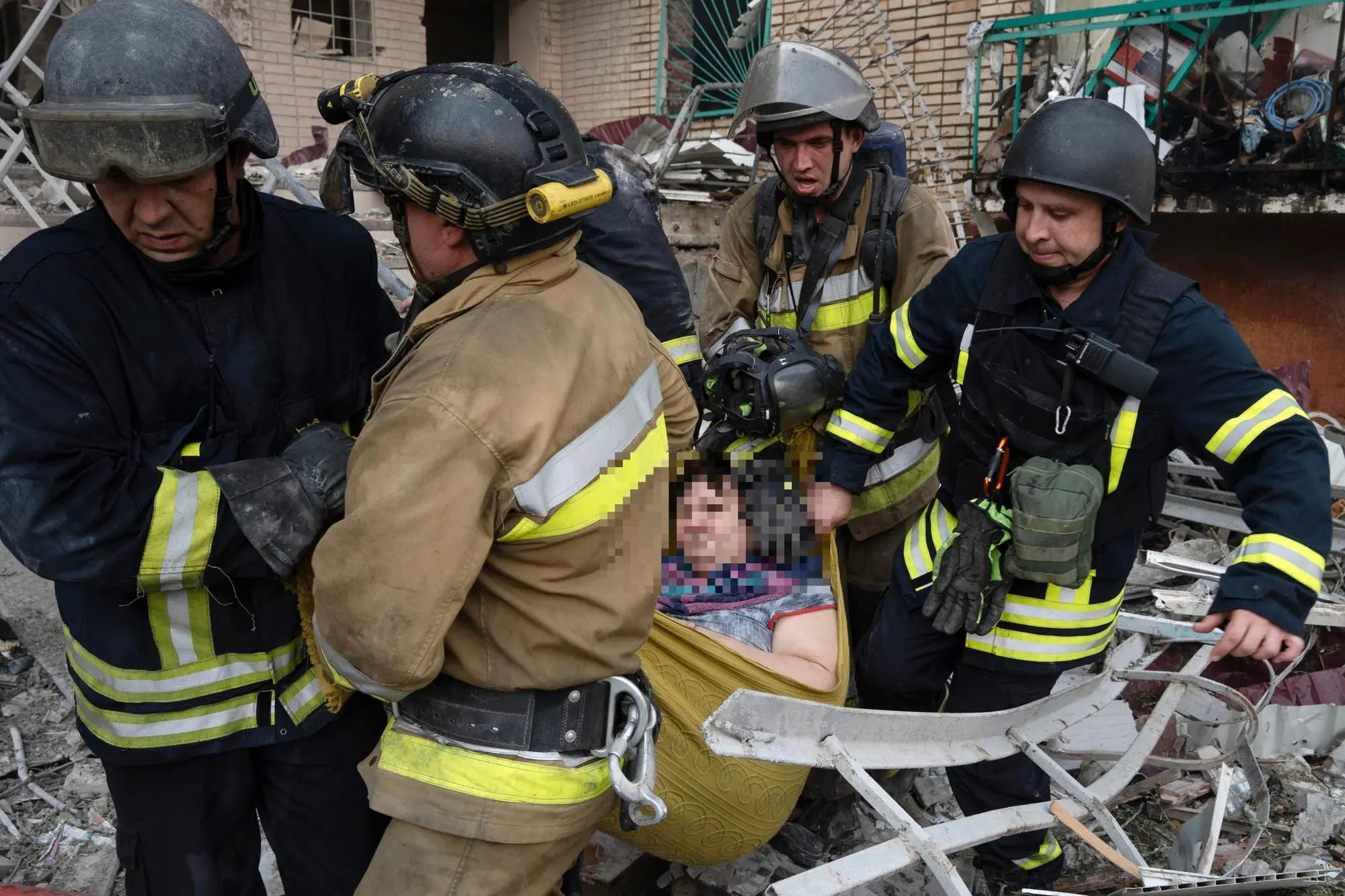

Ukraine begins a decisive week. New peace talks begin today in Berlin.
Kiev hopes to convince Washington to agree to a ceasefire without prior territorial concessions to Russia.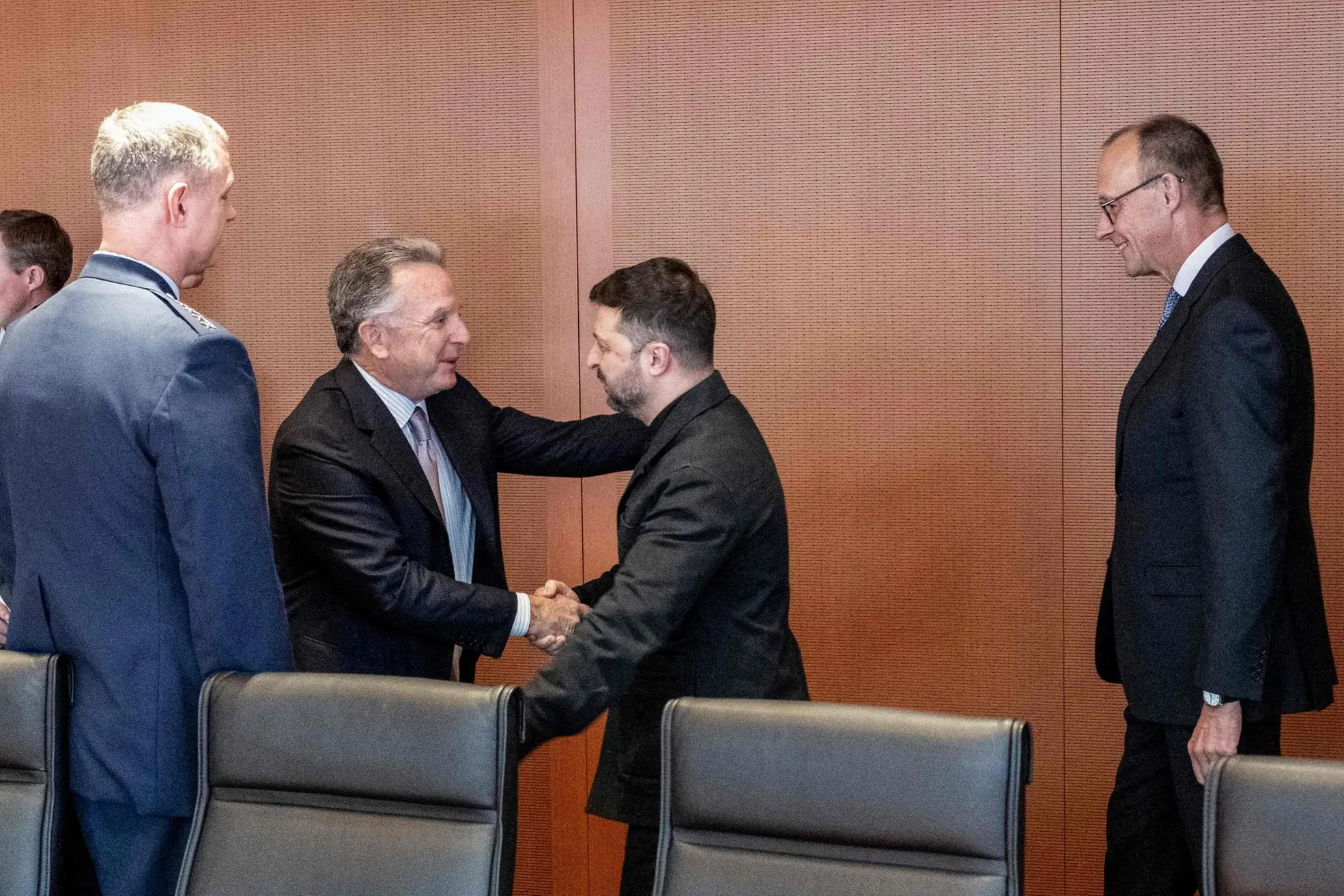
Per restare aggiornato entra nel nostro canale Whatsapp
Today marks the beginning of a "decisive week" for the Ukrainian issue, both regarding European funding for Kiev—on which EU leaders will have to make a decision at their summit on Thursday and Friday—and regarding peace negotiations.
Arriving at the Foreign Affairs Council and Brussels, the EU High Representative for Foreign Policy, Kaja Kallas, recalled that the discussion on the use of Russian assets "is increasingly difficult," but "the most credible option is a reparation loan."
Ukrainian President Volodymyr Zelensky and American negotiators meet in Berlin today, after five hours of talks on Sunday, with Kiev hoping to convince Washington that a ceasefire must be reached in Ukraine without preliminary territorial concessions to Russia.
US envoy Steve Witkoff was sparing with details, but assured X that "much progress" had been made during "in-depth discussions on the 20-point plan for peace, economic programs, and more." A new round is scheduled for this morning. A summit meeting is also scheduled for this evening between Volodymyr Zelensky and several European leaders, including German Chancellor Friedrich Merz, French President Emmanuel Macron, and British Prime Minister Keir Starmer, as well as European Commission President Ursula von der Leyen and NATO Secretary General Mark Rutte.
Like Kiev, many European leaders resist giving in to the Kremlin's maximalist demands. They fear that US President Donald Trump will abandon Ukraine and that Europe will be excluded from the continent's security debates, just as Moscow is perceived as a serious threat.
Volodymyr Zelensky was welcomed Sunday afternoon in Berlin by his host, Friedrich Merz, at the Chancellery. American, Ukrainian, and European flags were displayed for the occasion. Photos released by the Ukrainian presidency show the two leaders accompanied by Steve Witkoff and Jared Kushner, Donald Trump's son-in-law. Zelensky and Witkoff are seen embracing and smiling. On X, Merz stated that "difficult issues" were being discussed and that "Ukrainian interests (were) also European interests."
Before the meeting, Zelensky said he wanted to convince the United States to support a ceasefire that would include freezing the front line and not ceding the entire Donbass (east), as requested by the Kremlin and proposed by Washington : "I would like the Americans to support us on this point."
(Unioneonline)