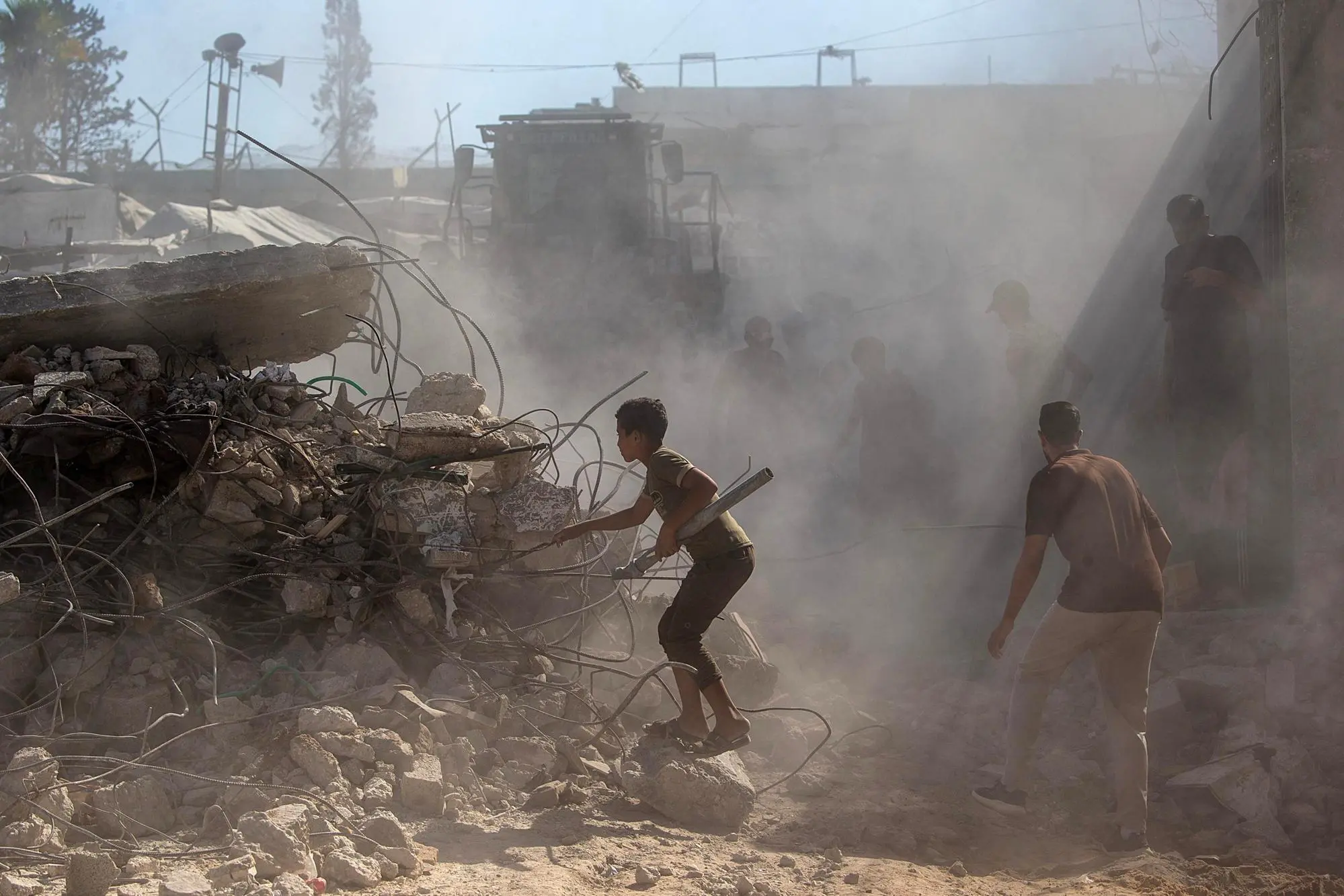


Debris at the UNIFIL base: a soldier from the Sassari Brigade injured
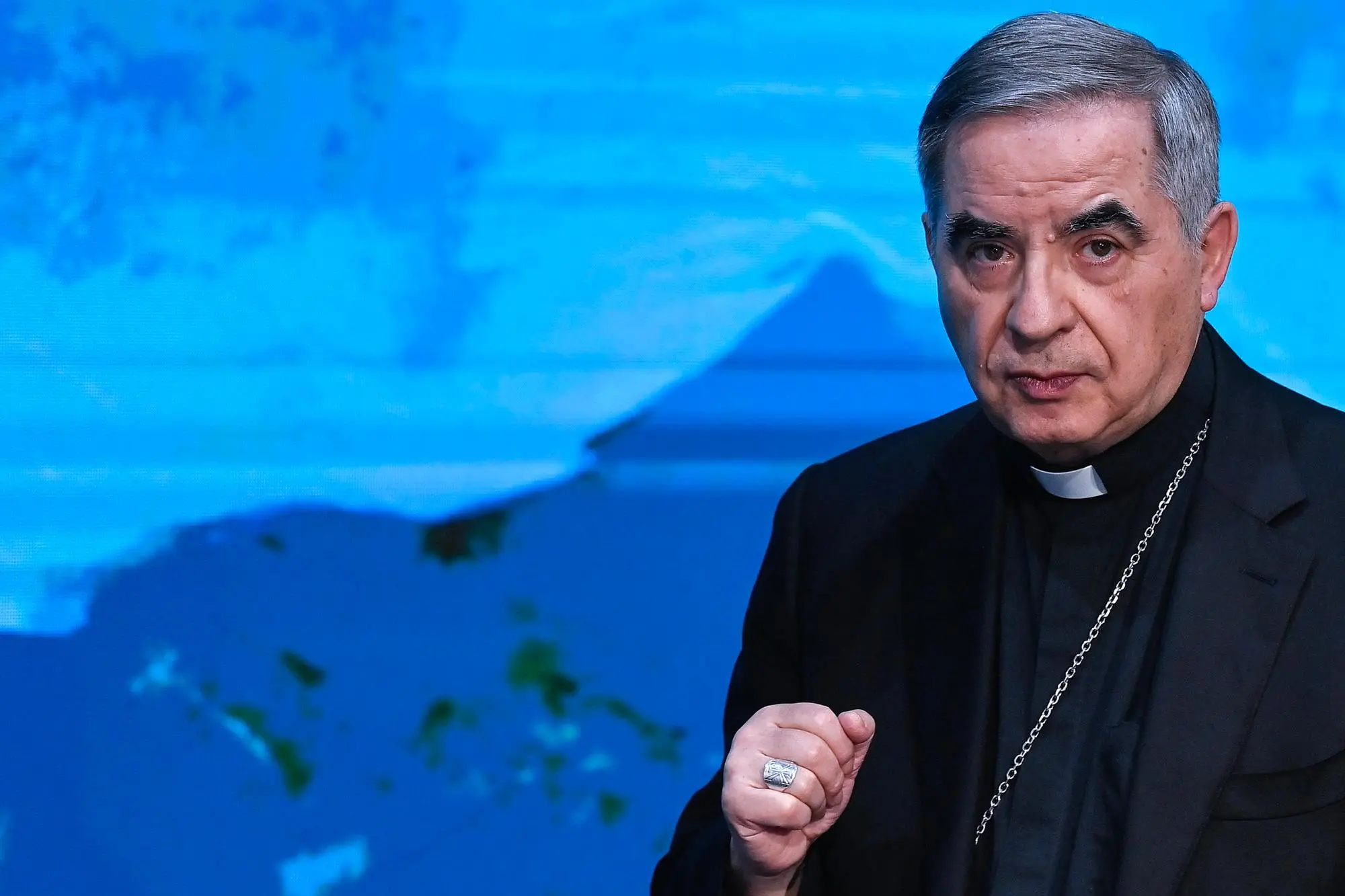
Meloni: "Intervening in the Strait would be a step toward engagement. Italian bases in the Gulf are my priority."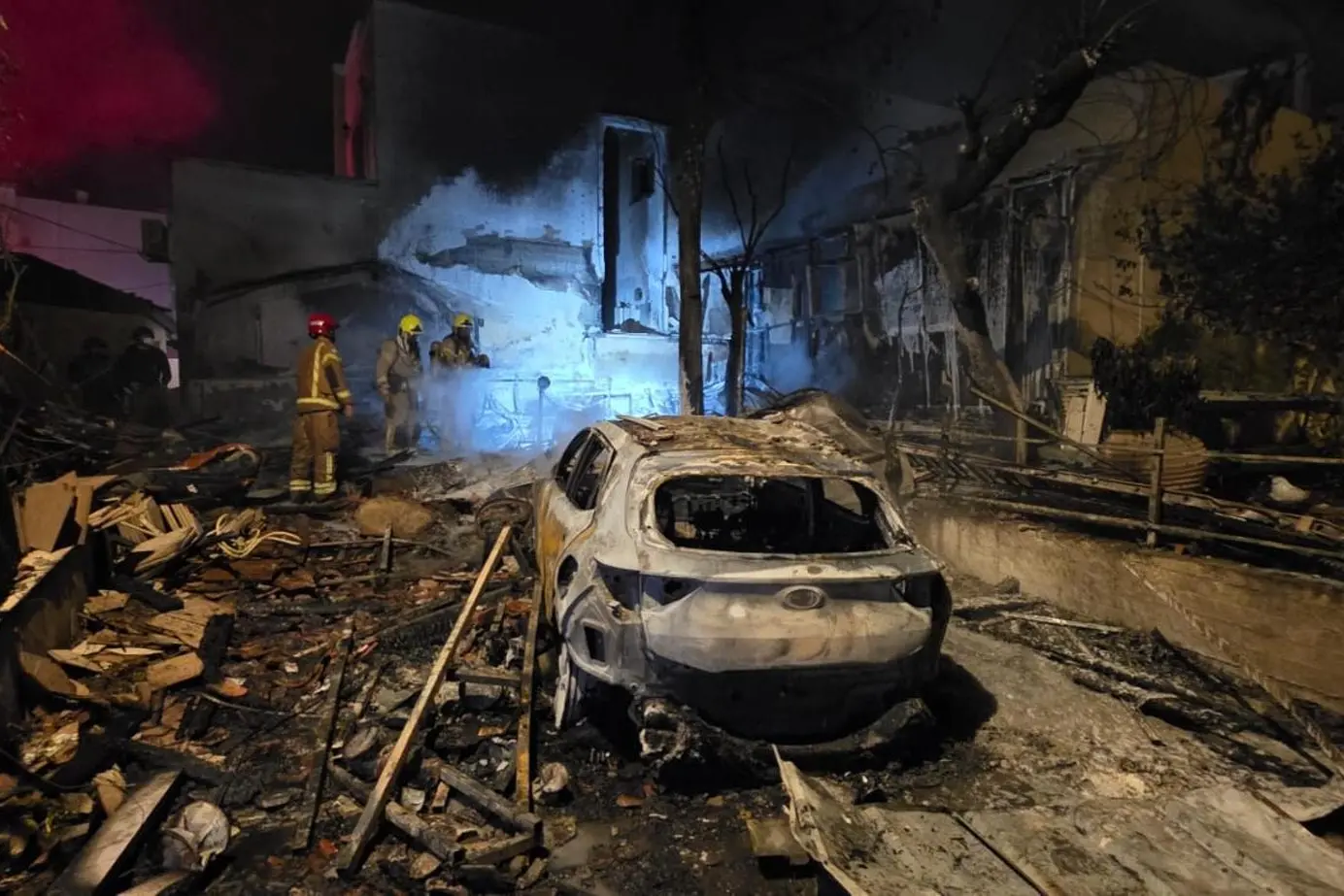
The missile fell near Netanyahu's office (Ansa)
Per restare aggiornato entra nel nostro canale Whatsapp
In the third week of the war in the Middle East , the Italian contingent has once again been targeted by Iranian drones . After the attack on the Ali Al Salem base in Kuwait, rocket debris fell late this afternoon on the UNIFIL base in Shama, southern Lebanon, where soldiers from the Sassari Brigade are stationed.
Significant material damage occurred. A Shahed struck a warehouse at the base in Kuwait, shattering the drone inside: a Predator/Reaper reconnaissance aircraft from the Italian Air Force task force. That aircraft was "essential for operational activities and had remained deployed to ensure the continuity of operations," warned Chief of the Defense Staff, Luciano Portolano. This reflects the rationale for redeploying Italian soldiers in these tense times: training missions are in danger of being suspended, and therefore there is no reason to keep too many soldiers at the bases, exposing them to unnecessary risks. At Ali Al Salam, where there is also an American contingent, there are currently a few dozen Italian soldiers compared to the 321 present before the outbreak of the war in Iran . "The military personnel had already been reduced in recent days, leaving only essential personnel at the base," explained Defense Minister Guido Crosetto, who specified: "The loss of the aircraft has no impact on the safety of our soldiers deployed in the area." There is no withdrawal, therefore, and Italian missions continue, albeit with significantly reduced numbers.
LIVE:
10 p.m. – Trump: "The war will end soon, but not this week."
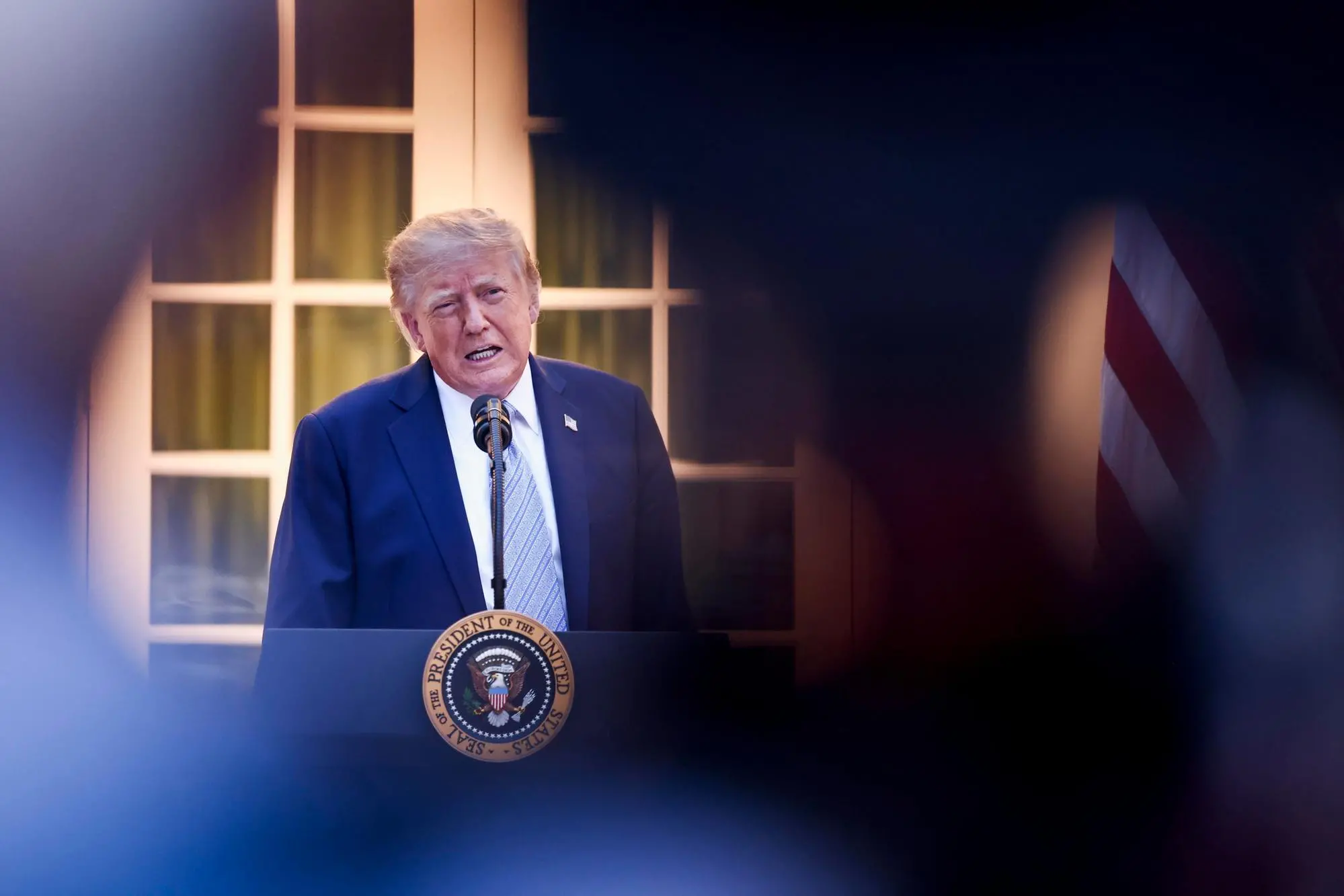
The war will end soon, but not this week. Donald Trump said so, emphasizing that Iran is no longer the "bully" of the Middle East. "We hit them hard, and they deserve it," Trump observed.
9:01 PM – Meloni: "Italian military bases in the Gulf are now my primary concern."
The Italian military bases in the Gulf region "are obviously the primary issue I'm dealing with today, especially since I've already implemented the justice reform. In short, I can't do more than talk about it. They're my main problem, clearly." This was stated by Prime Minister Giorgia Meloni, a guest on Quarta Repubblica, broadcast this evening on Rete4, after answering a series of questions about the referendum. "Clearly, there's a need for monitoring, for attention to our military, which is numerous in the area, particularly regarding Erbil and Kuwait, even though," she added, "the military has been reduced and only those strictly necessary to carry out missions that, we must remember, are important—international counterterrorism missions. Because, in my opinion, our solidarity at this time and our presence for the Gulf countries, which are our strategic partners, are very important, and because we have tens of thousands of Italians in that area."
8:57 PM – Meloni: "Intervening in Hormuz would be a step toward engagement."
"What we can do now is strengthen the Aspides mission, so let's talk about the Red Sea. On the Strait of Hormuz, it's clearly more challenging, because it would mean taking a step forward towards engagement. On the one hand, freedom of navigation is fundamental for us, which is also the subject of a statement made today with our partners. Intervening objectively means taking a step forward towards engagement." These are the words of Prime Minister Giorgia Meloni, a guest on Quarta Repubblica, broadcast this evening on Rete4.
8:30 PM – Emirates: "Fire after drone strike on major oil field"
A drone strike on Monday started a fire at a major oil field in the United Arab Emirates, authorities said, as Iran continues its drone and missile attacks in the Gulf. Authorities in the emirate of Abu Dhabi said they are still fighting the fire at the Shah oil field, but no injuries were reported. The Shah oil field, located 230 kilometers south of Abu Dhabi city, has a production capacity of approximately 70,000 barrels of crude oil per day, according to the state-owned oil company Adnoc.
8:20 PM – Pezeshkian: "I spoke to Macron, the use of US bases in the region must end."
Iranian President Masoud Pezeshkian announced on social media that he had a phone call with Emmanuel Macron, to whom he "stressed that Iran did not start this brutal war. Defense against aggression is a natural right that we know well. The use of US bases in the region against Iran, with the aim of undermining our relations with neighboring countries, must stop." Iran, he added, "will not surrender to the bullies. We expect the international community to condemn this aggression and convince the aggressors to respect international law."
7:50 PM – Rocket debris hits Italian base in Lebanon: one minor injured
Late this afternoon, debris fell at the UNIFIL base in Shama, southern Lebanon, home to the Italian-led Sector West Command. It was likely caused by rockets intercepted in the air by Israeli anti-missile systems. According to initial reports, one Italian soldier is injured. His condition is not cause for concern. Defense Minister Guido Crosetto is in contact with the Chief of Defense Staff, the Joint Operations Command, and the commander of the Italian UNIFIL contingent to receive continuous updates on the condition of the military personnel and the ongoing situation.
6:50 PM – Trump: "France will help us with Hormuz. I give Macron an eight."
US President Donald Trump said he believed France would join the Strait of Hormuz coalition after a phone call with French President Emmanuel Macron. "I think it will help us. I mean, I'll let you know," Trump said, adding: "Macron? I give him an eight." Last week, Macron said France was preparing an international mission with its allies to reopen the strait once the intensity of military attacks had subsided. On Sunday, he said he had spoken with the Iranian president and urged him to end the "unacceptable attacks that Iran is waging against countries in the region."
6:25 PM – Hormuz, Trump clarifies: "We don't need anyone, but I want to see how our allies react."
US President Donald Trump has stated that the United States doesn't need any country's help in the Strait of Hormuz, "but I want to see how they react." "We don't need anyone. We're the strongest nation in the world. We have the strongest military in the world by far," Trump said, reiterating his criticism of NATO members. "Why do we protect countries that don't protect us? We are NATO; we're the ones Russia is afraid of."
6:10 PM – Rubio to announce list of countries to assist on Hormuz
US Secretary of State Marco Rubio will soon announce the countries that will join the US-led coalition to secure the Strait of Hormuz. "Some countries have disappointed me, and I'll name them later. Many will help us. Ships are already heading there," Donald Trump said at the White House.
5:40 PM – Trump: "Iran has destroyed all of its minelaying vessels, but it could use more."
Donald Trump claims the United States has destroyed all 30 Iranian mine-laying vessels, but warns that Tehran may use other vessels to mine the Persian Gulf. "We don't know if they've laid any mines in the Strait of Hormuz," he added, speaking at the White House.
5:20 PM – Trump: "The regime has been destroyed, but the campaign against Iran continues."
"The campaign against Iran continues in full force," Donald Trump said at the White House, reiterating that the Tehran regime has been "destroyed." "Iran's anti-aircraft equipment is decimated. We've hit more than 7,000 targets across Iran. Now all I have to do is say the word, and all the pipelines will be destroyed," he added. And, again on Hormuz: "We encourage countries whose economies depend on the Strait of Hormuz to help us. Some countries are not enthusiastic about helping us. And the level of enthusiasm matters to me. Tehran is using Hormuz as a weapon."
Trump cited Japan, China, South Korea, and Europe: "For 40 years we've protected you, and now you don't want to help us? You don't want to get involved in something less?"
5:15 PM – Pasdaran: "We will target US companies, employees must evacuate."
Iran's Revolutionary Guards today threatened to target US companies across the region, urging employees to evacuate their premises. "Employees of US companies are being asked to leave these areas immediately. These areas will soon be targeted by the Islamic Revolutionary Guard Corps," the Guards stated on their official website, Sepah News. It was not immediately clear which companies would be targeted, but last week, the Tasnim news agency published a list of potential targets on Telegram that included the offices of tech giants such as Amazon, Google, Microsoft, and Nvidia in Gulf countries.
4:50 PM – Trump threatens a new attack on Kharg: "I could destroy her."
Donald Trump is threatening to strike Kharg Island again. In a three-minute interview with PBS, the US president said he "told them openly: I will completely destroy it." Trump then explained that the previous attack on the island destroyed all military targets. "It's dead from a military standpoint," he said, emphasizing that the United States hasn't even approached its military infrastructure.
4:30 PM – Rumors of Khamenei undergoing treatment in Moscow, Kremlin denies
Russian Presidential Spokesperson Dmitry Peskov declined to comment on allegations that Iran's new leader, Ayatollah Muitaba Khamenei, had arrived in Moscow for medical treatment. "We never comment on this type of news," he told reporters when asked about the Kuwaiti newspaper Al Jarida's publication of the matter.
4:00 PM – A large missile fragment falls near Netanyahu's office in Jerusalem.
In the latest attack launched by Iran, a large missile fragment fell near Prime Minister Benjamin Netanyahu's office in Jerusalem, photos released by rescue workers. Firefighters also released an image of a massive Iranian missile fragment that fell on a Jerusalem residence. A large Jewish school was also hit. Rescue workers report that a 42-year-old man in the Holy City area was injured by hot shrapnel and suffered burns. 3:10 PM – Trump: "The war will end soon, the price of oil will fall like a rock."
"The war will be over soon." US President Donald Trump declared this, announcing on Truth Social that he would hold a press conference today. Speaking to PBS, Trump assured that "oil prices will drop like a rock once this is all over."
2.45pm – Drone attack in northern Emirates, building caught fire
A drone strike has started a fire in a building in the northern United Arab Emirates, authorities said, as a series of attacks have hit the country, paralyzing Dubai airport, hitting an oil hub, and killing one civilian. "A building in the emirate of Umm Al Quwain was targeted by a drone, causing a fire but no injuries," the Umm Al Quwain Government Press Office said in a statement published by the official WAM news agency, without specifying the name of the building.
2:15 PM – Israel seeks advance in Lebanon, Hezbollah holds firm
Hezbollah fighters in southern Lebanon are resisting Israeli military advances in the central sector of the demarcation line between the two countries. The government-run NNA news agency reported that clashes are ongoing in the area between the towns of Adaisse and Tayibe, not far from the demarcation line.
2:00 PM – Bessent: "The US is allowing Iranian oil tankers to transit Hormuz."
The United States is allowing Iranian oil tankers to pass through the Strait of Hormuz, U.S. Treasury Secretary Scott Bessent said in an interview with CNBC. "We allowed this to happen to supply the rest of the world," Bessent explained.
1:55 PM – Iran: "Hormuz closed only to our enemies."
Iranian Foreign Minister Abbas Araghchi declared that the Strait of Hormuz, the waterway through which approximately a fifth of the world's oil exports pass, is closed only to "enemies" of the Islamic Republic. Since the outbreak of the conflict between Iran, the US, and Israel, Tehran has almost completely blocked the strait, maritime traffic in the area has significantly reduced, and attacks on vessels have been reported. The Strait of Hormuz "is open, but closed to our enemies, to those who perpetrated this cowardly aggression against us and their allies," Tehran's foreign minister said, as reported by Al Jazeera.
1:25 PM – Kallas: "Hormuz is outside of NATO's operational area."
"We have been in contact with NATO in the past, but this is actually outside NATO's scope of intervention. That's why we have Operation Aspides, and there are member states willing to contribute, both in the coalition of the willing and in the operation itself, but it's outside NATO territory. There are no NATO countries in the Strait of Hormuz," said Kaja Kallas, High Representative of the European Union for Foreign Affairs and Security Policy and Vice President of the European Commission, on the sidelines of the Foreign Affairs Council in Brussels. "We must first discuss what member states are willing to do in the Strait of Hormuz, and we are also discussing the possibility of intervention once the main fighting is over, but obviously the need to open the Strait of Hormuz is already there. We will discuss this today," she added.
1:00 PM – Merz's spokesman: "The war in Iran has nothing to do with NATO."
"This is not a NATO war and has nothing to do with NATO," German government spokesman Stefan Kornelius said in response to a question from journalists in Berlin about Donald Trump's threats to NATO. "We have taken note of the US president's position," he added.
12:40 PM – Starmer: "The reopening of Hormuz cannot be entrusted to a NATO mission."
The reopening of the Strait of Hormuz, a strategic location for global hydrocarbon trade and beyond, cannot be entrusted to "a NATO mission," British Prime Minister Keir Starmer said this morning in response to reporters. "Let me be clear, this will not be, and was never intended to be, a NATO mission," Starmer cut short, questioning President Donald Trump's comments, who in recent hours described the allies' refusal to become involved by sending military vessels to Hormuz as "very negative for NATO."
12:10 PM – Beirut: "Four dead, including two children, in Israeli raids in the south."
An Israeli airstrike in southern Lebanon has killed four people, including two children, according to the Lebanese Ministry of Health, cited by the government news agency NNA. Sources specify that the Israeli bombing occurred in Qantara, a town in the central sector of the war front with Hezbollah.
11:30 a.m. – Madrid: "What's happening in Lebanon is a disgrace."
"What is happening in Lebanon is a disgrace. We have hundreds of thousands of displaced people, a systematic violation of sovereignty and humanitarian law, the risk of a ground invasion, and attacks on a UN peacekeeping force," Spanish Foreign Minister José Manuel Albares said on the sidelines of the Foreign Affairs Council. "Europe must send a signal," Albares emphasized, while also explaining that "consistency is needed. In Ukraine and the Middle East, we must defend the same values, whether it concerns Ukrainian or Lebanese civilians. Europe must be a bastion" of law.
10:40 a.m. – The Netherlands: "The Hormuz issue won't be resolved quickly, even if NATO sends ships."
Dutch Foreign Minister Tom Berendsen did not rule out a role for the Netherlands in keeping the Strait of Hormuz in the Middle East open to navigation, but said that the decision on how to proceed requires very careful consideration. Dutch media reported this. "We will examine exactly what the options are. These are very serious decisions, and we need to know what is possible and what can be done," Berendsen told reporters before the EU foreign ministers' meeting in Brussels. "I don't think the problem will be solved overnight if NATO sends ships," he said. "It's a very delicate situation; there's a real possibility of escalation, and it's dangerous."
9:50 a.m. – EU: "The energy crisis may worsen; we are ready to take short-term measures."
"We are aware that we must not only monitor the situation but also prepare ourselves because the situation could worsen further. We must be ready to implement short-term measures to try to help Member States," said EU Energy Commissioner Dan Jorgensen upon his arrival at the EU Energy Council, when asked about the energy impact of the war in the Middle East. The EU is not "that dependent on fuel supplies, both gas and oil, from the area, so we don't have a security problem, but we do have a price problem," he emphasized.
9:00 a.m. – Kallas: "A UN initiative in Hormuz, like the Black Sea wheat initiative, is being considered."
"Over the weekend, I spoke with UN Secretary-General Antonio Guterres to see if it's possible to have an initiative in Hormuz like the one in the Black Sea for Ukraine's grain ," EU High Representative Kaja Kallas said as she arrived at the Foreign Affairs Council. The closure of the Strait poses a serious threat to oil supplies, especially to Asia, but the situation is also problematic "with regard to fertilizer," Kallas said . "And if there is a shortage of fertilizer this year, there will also be a shortage of food next year."
7:50 a.m. – Israel: "Targeted ground operations begin in southern Lebanon."
The Israeli Defense Forces (IDF) announced that they have begun "limited and targeted ground operations" against Hezbollah in southern Lebanon. These "limited and targeted ground operations" target "important Hezbollah strongholds" and aim to "strengthen defensive outposts" in southern Lebanon, the IDF said in a statement. "This activity is part of broader defensive efforts to establish and strengthen a forward defensive position, which includes dismantling terrorist infrastructure and eliminating terrorists operating in the area," the IDF added, explaining that the plan is to "create an additional layer of security for residents of northern Israel."
7:30 a.m. – Trump: "I asked London to intervene, but they refused."
Donald Trump expressed frustration with Britain's response to his call for action in Iran. The tycoon, who spoke with Prime Minister Keir Starmer on Sunday, said that "the United Kingdom might be considered the number one ally, the one with the longest history and so on, yet when I asked them to intervene, they refused." And as soon as "we essentially eliminated Iran's threat capability, they said, 'Well, then we'll send two ships.' And I said, 'We need these ships before we win, not after we win,'" Trump said in an interview with the Financial Times. The US president also warned that NATO faces a "very negative" future if its allies fail to contribute to securing the Strait of Hormuz in the conflict against Iran. "It's perfectly normal for those who profit from this strait to help ensure that nothing untoward happens there," the US president declared in an interview with the Financial Times, recalling that Europe and China are heavily dependent on Gulf oil, unlike the United States.
7 a.m. – Trump: "We're talking to Iran, but they're not ready for a deal."
The US is in talks with Iran as the war enters its third week, but Tehran is not yet ready for a ceasefire agreement. "Yes, we are talking to them," President Donald Trump replied to reporters on Air Force One, without specifying the nature of the talks, when asked about ongoing diplomatic initiatives to end the conflict that has spread across the Middle East. "But I don't think they're ready. They're getting pretty close," Trump added. Iranian Foreign Minister Abbas Araghchi denied talks with the US were underway.
(Unioneonline)