

Midterms, America turns blue: Democrats win the House and Senate. Trump: "With my name on the ballot, I would have won by a landslide."
The midterm elections are reshaping the balance of power in Washington. The opposition wins Texas and historic Republican strongholds, including among the governors. The tycoon returns as "Mr. Veto," but also says he's "ready to accept the results."
(Ansa - EPA/Olga Fedorova)
Per restare aggiornato entra nel nostro canale Whatsapp
A major setback for Donald Trump and a victory far beyond Democrats' expectations. The midterm elections in the United States handed the opposition control of both houses of Congress, ushering in a new phase in relations between the White House and Congress. A "blue tsunami" that also allowed the Democrats to conquer Republican stronghold states like Texas and Kansas. And it made Trump a lame duck, tying his hands for the next two years.

He took the strongholds in the Senate
Democrats also managed to win in territories that just two years ago had supported Trump by wide margins: they won at least six Senate seats, the highest since 2008 (when there were eight). In Texas, the victory was won by James Talarico, 37, a former seminarian, who defeated Republican Attorney General Ken Paxton . This was a historic victory: Democrats had not won a statewide election since 1994. In 2024, Trump had achieved a 14-point lead in this very state. In South Carolina, pediatrician Annie Andrews defeated Darline Graham, the Republican candidate and sister of Senator Lindsey Graham, who passed away in July . Andrews thus becomes the first woman elected to the Senate representing the state. Blue successes also occurred in North Carolina, with former governor Roy Cooper; in Ohio, where Sherrod Brown returns to the Senate; and in Kansas, with Reverend Adam Hamilton, the first Democrat to win the seat since 1932. In Maine, Troy Jackson defeated veteran Republican Susan Collins.
As for the positions considered at risk, those were also taken: Jon Ossoff was re-elected in Georgia, while in New Hampshire Chris Pappas beat Republican John Sununu. Florida, however, remained in Republican hands: Ashley Moody defeated Democrat Angie Nixon.
Blue seats in the Chamber
In the House of Representatives, Democrats, who needed only three seats to secure a majority, snatched at least eleven from Republicans. Among the losers were Tom Kean in New Jersey and three Pennsylvania congressmen: Ryan Mackenzie, Scott Perry, and Rob Bresnahan. Democratic leader Hakeem Jeffries thus prepares to become the first African-American speaker of the House.

The new governors
The gubernatorial elections also sent important signals. In Georgia, Keisha Lance Bottoms, former mayor of Atlanta, became the first African-American woman to lead the state. In Ohio, Dr. Amy Acton defeated billionaire Vivek Ramaswamy, returning the Democrats to power after a 20-year hiatus. A resounding victory in Texas: Gina Hinojosa defeated incumbent Governor Greg Abbott and became the first Latina to hold the office. Liberal Xavier Becerra will replace Gavin Newsom as governor of California.
Trump's reaction
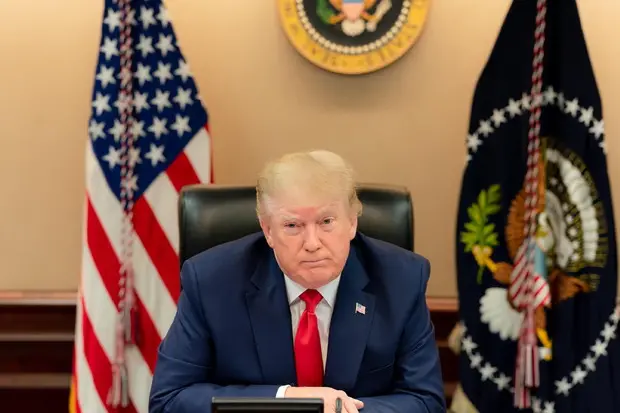
And Trump, who just two days ago had warned that if he lost, he would become "Mr. Veto" ? While he was following the vote count from the East Room of the White House with his loyalists , but it was already clear that it would be a dark night for Republicans, he expressed his frustration on social media: "If my name had been on the ballot, I would have won by a landslide." He then softened his tone. In an interview with CBS, he congratulated the Democrats, saying he was "ready to accept the results": "I look forward to working together for the good of our country. They've already called me and want to collaborate with me." On Truth, he blamed Fox News for part of the defeat, accusing the network of giving too much coverage to his political opponents. He took a conciliatory tone on Politico: "I don't intend to spend two years vetoing everything." He then posted on Truth a photo of a red Maga-style hat with the word "Veto" written on it.
Polls and the economic crisis
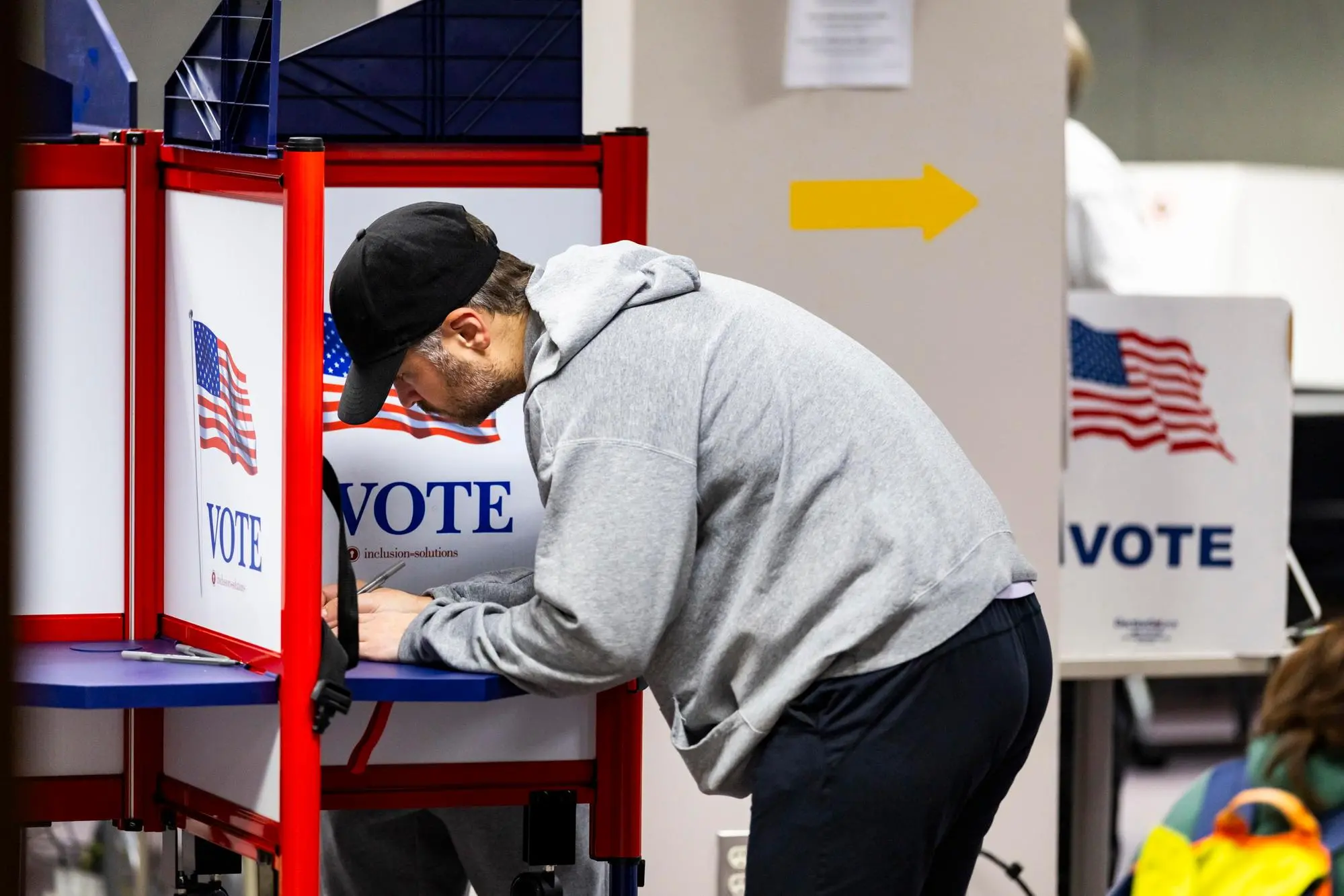
Discontent with the economic situation has punished him: according to AP Voter Poll data, approximately six in ten Americans blame the incumbent administration's policies for rising prices, while seven in ten believe it is necessary to strengthen Congress's oversight of the president's actions. This sign of dissatisfaction is accompanied by a particularly significant turnout: 59.7 million citizens had already cast their votes before election day.
The new majority now radically changes the American political landscape. With both chambers under Democratic control, the president will have to contend with a Congress capable of thwarting his agenda, launching investigations into the administration, and influencing key legislative decisions. This prospect makes the second half of his term particularly challenging.
(Unioneonline/D)