Netanyahu: "Now direct negotiations with Beirut." The first non-Iranian oil tanker passes through Hormuz.
According to Axios, they will begin next week with their first meeting in Washington. Mattarella: "Devastating bombings." A UNIFIL vehicle was hit, causing concern for the Sassari Brigade.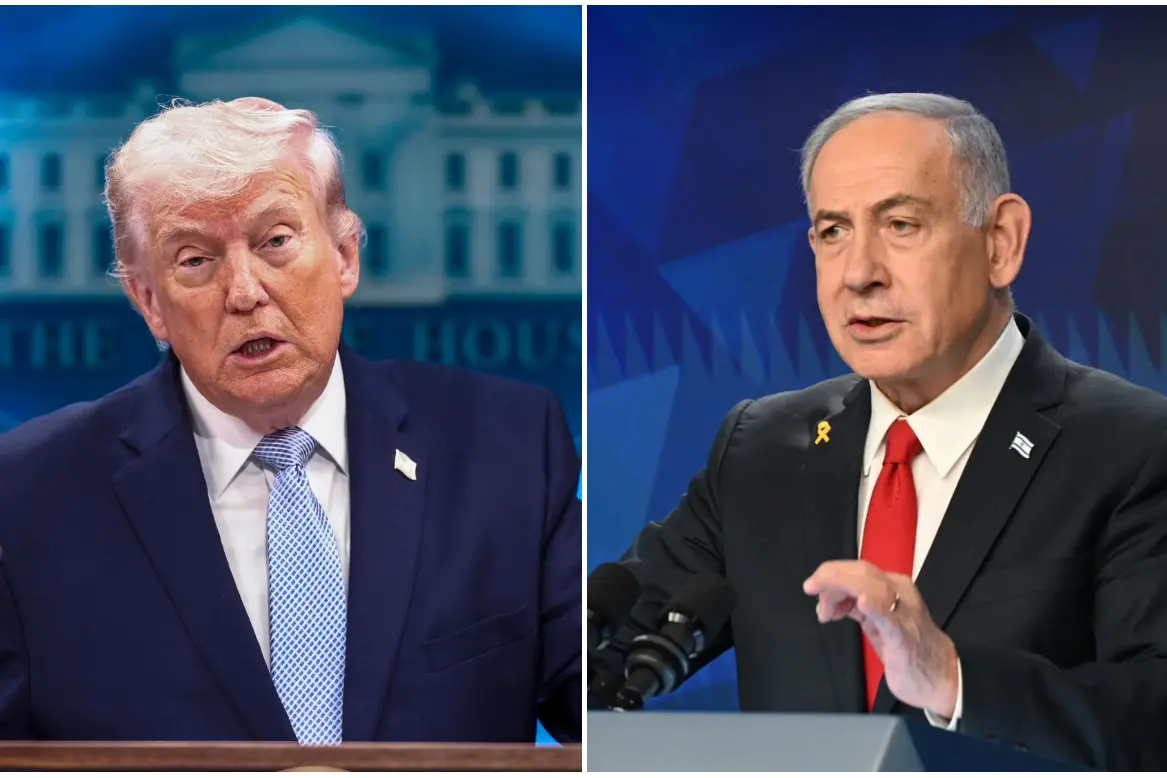
Per restare aggiornato entra nel nostro canale Whatsapp
Direct negotiations between Israel and Lebanon will begin next week, with the first meeting taking place at the State Department in Washington.
Axios reports this, citing an Israeli source, confirming what could be a decisive development in the Middle East crisis after Donald Trump asked Israeli Prime Minister Benjamin Netanyahu to reduce the intensity of attacks to help ensure the success of negotiations with Iran. Bibi responded to this appeal, at least verbally: " In light of Lebanon's repeated calls to begin direct negotiations with Israel, yesterday during the Cabinet meeting I gave the directive to begin direct negotiations with Lebanon as soon as possible . The negotiations will focus on the disarmament of Hezbollah and the establishment of peaceful relations between Israel and Lebanon. Israel appreciates today's call by the Lebanese Prime Minister on Beirut's disarmament."
The attacks pose a "grave danger" to the two-week ceasefire between the United States and Iran, warned UN Secretary-General António Guterres . This stance comes after Israel's raids on Beirut targeting Hezbollah strongholds, which resulted in hundreds of deaths , including civilians. Also yesterday, Israeli IDF forces opened fire on an Italian UNIFIL mission vehicle departing from Shama, the headquarters of the sector led by the Sassari Brigade . Only damage was reported, but no injuries were reported. The Italian government, however, summoned Tel Aviv's ambassador to protest and demand explanations, and urged the UN to intervene to ensure the security of the international coalition operating in the country.
Updates for April 9, 2026
Khamenei: "We will not leave the attackers unpunished; a new phase is underway for Hormuz."
Iranian Supreme Leader Mojtaba Khamenei, in a lengthy message attributed to him, promised that Iran "will not leave the aggressors unpunished" and will demand "compensation for any damage inflicted" and "indemnity" for the victims, warning that this will bring the management of the Strait of Hormuz "to a new stage." Iran International reports this, adding that Khamenei also urged Arab neighbors to "maintain the correct position" and distance themselves from Western powers.
In his message, marking the fortieth day since the death of his father, Ali Khamenei, the new Supreme Leader states: "Everyone must know that, God willing, we will not leave the criminal aggressors who attacked our country unpunished. We will certainly demand compensation for any damage inflicted, as well as compensation for the martyrs and compensation for those wounded in this war." "The nation... will keep alive in its heart the firm determination to avenge the blood [of the Leader] and all those killed in the imposed wars," he adds. Khamenei, according to other international media reports, also states that he will "take the management of the Strait of Hormuz to a new stage" and calls on pro-Iranian protesters to take to the streets because "your voices in public squares have an impact on the outcome of the negotiations." The Supreme Leader states that Iran does not seek war, but will not give up its rights, "and in this regard, we consider the entire Resistance Front as a single, united entity."
First non-Iranian oil tanker passes through Hormuz since ceasefire
The first non-Iranian oil tanker has passed through the Strait of Hormuz, following the announcement of a fragile ceasefire between Iran and the United States, according to MarineTraffic data. The MSG, a Gabonese-flagged tanker, passed through the strait today carrying approximately 7,000 tons of Emirati fuel oil and is headed to Aegis Pipavav, India, according to the maritime monitoring service. Only two other tankers, both Iranian-flagged, and six bulk carriers have passed through the strait since yesterday, according to Kpler, owner of MarineTraffic.
Negotiations between Israel and Lebanon begin next week in the US – Direct negotiations between Israel and Lebanon will begin next week, with the first meeting taking place at the State Department in Washington. Axios reports, citing an Israeli source, who said the United States will be led by US Ambassador to Lebanon Michel Issa. Israel will be represented by its Ambassador to the United States Yechiel Leiter, while Lebanon will be represented by its Ambassador to Washington Nada Hamadeh-Moawad.
Netanyahu: "I have ordered the opening of direct negotiations with Lebanon as soon as possible" – "In light of Lebanon's repeated calls to begin direct negotiations with Israel, yesterday at the Cabinet meeting I gave the directive to begin direct negotiations with Lebanon as soon as possible. The negotiations will focus on the disarmament of Hezbollah and the establishment of peaceful relations between Israel and Lebanon. Israel appreciates the Lebanese Prime Minister's call today for Beirut's disarmament."
Mattarella: "Lebanon under a storm of devastating bombings " – We spoke about Lebanon, an independent country with a new government that is also disarming Hezbollah and which is now under a storm of devastating bombings." This was stated by the President of the Republic, Sergio Mattarella, speaking in Prague after talks with Czech President Petr Pavel.
Iran: "Trump asked Netanyahu to reduce attacks in Lebanon to help secure negotiations" – US President Donald Trump has asked Israeli Prime Minister Benjamin Netanyahu to reduce attacks in Lebanon to help secure negotiations with Iran, a senior administration official told NBC News.
Tehran: "Mojtaba Khamenei is in full health and in control of everything" – Iranian Deputy Foreign Minister Saeed Khatibzadeh declared that Iran's Supreme Leader, Mojtaba Khamenei, "is well and in full health," Iran International reports. Khatibzadeh also added that the Iranian leader
The Islamic Republic "is present in his office and effectively controls everything." Khamenei has not appeared in public since the raid that killed his father on February 28, nor since he was appointed the new Supreme Leader.
Moscow: "Ceasefire must also include Lebanon" - Russia believes the ceasefire agreement between Washington and Tehran must also include Lebanon. Russian Foreign Minister Sergey Lavrov stated this on Thursday in a conversation with his Iranian counterpart, Abbas Araghchi. "Moscow assumes that these agreements (...) have a regional dimension and extend to Lebanon in particular," the Russian Foreign Ministry said in a statement. For her part, Russian Foreign Ministry spokeswoman Maria Zakharova condemned the Israeli offensive in Lebanon, saying it "threatens to derail the negotiation process that was just beginning to take shape."
Iran: "No more than 15 ships per day from Hormuz" – Iran will allow no more than 15 ships per day to transit through the Strait of Hormuz, under the ceasefire agreement signed with the United States. This was reported by the Russian state news agency TASS, citing an anonymous high-level Iranian source. The Strait, a 34-kilometer-wide strip of sea between Iran and Oman, connects the Persian Gulf to the Indian Ocean and is the main transit route for approximately one-fifth of the world's oil supplies and other vital commodities, including fertilizers.
Tehran: "Pakistan halted our response after the ceasefire broke down" – Iranian Deputy Foreign Minister Saeed Khatibzadeh said that Tehran was on the verge of responding to the ceasefire violation, but decided against it after Pakistan's mediation. Iran International reported the news. Khatibzadeh later confirmed that the Iranian delegation will be present in Islamabad for the first round of peace talks.
Al Jazeera: "Lebanon calls for direct talks with Israel" – According to Al Jazeera correspondents in Lebanon, the Beirut government has requested direct talks with Israel in the aftermath of the raids that left at least 200 dead and more than 1,000 injured.
"Tehran will allow no more than 15 ships per day through Hormuz" – Iran will allow no more than 15 ships per day to pass through the Strait of Hormuz, under the ceasefire agreement it signed with the United States. The Russian state news agency TASS reported, citing an anonymous high-level Iranian source. The Strait, a 34-kilometer-wide strip of sea between Iran and Oman, connects the Persian Gulf to the Indian Ocean and is the main transit route for approximately a fifth of the world's oil supplies and other vital commodities, including fertilizers.
Ghalibaf: "No more attacks on Lebanon or there will be a strong response" – Iranian Parliament Speaker Mohammad Bagher Ghalibaf, who will be in Islamabad for negotiations with the US, warns that "ceasefire violations will lead to costs and a strong response" and calls for an "immediate halt" to the attacks on Lebanon. "Lebanon and the entire Axis of Resistance, as allies of Iran, are an integral part of the ceasefire," he states, quoting Pakistani Prime Minister Sharif, who clarified that the halt to attacks on Lebanon is part of the agreement.
Trump: "US forces remain deployed near Iran" – Washington announces that all American forces will remain "deployed" near Iran "until a real agreement is reached." Trump wrote this in Truth. "If that doesn't happen, firefights will begin, bigger and more intense than we've ever seen before," he added, while ruling out the nuclear option. With the Strait of Hormuz closed, only four ships carrying dry cargo have managed to pass through, following Israeli raids on Lebanon, which the UN considers a grave threat to the stability of the truce.
(Unioneonline)