

Madrid and Rome's ultimatum: "Borders reopen within 48 hours." Palazzo Chigi rejects this, and Spain imposes border controls.
Sanchez's government is holding its ground: "This measure is unjust and discriminatory." Giorgia Meloni's government issued a harsh statement, prompting retaliation.The clash between Madrid and Rome is now open. And just a week after the invasion of tens of thousands of Moroccans into the Spanish exclave of Ceuta , which prompted the Italian government to suspend the Schengen Agreement at its borders with Spain for a month, Pedro Sánchez's government issued a veritable ultimatum: "Italy must lift border controls by August 9th or we will adopt proportionate measures." Madrid essentially threatened to do the same, forcing passengers arriving from Italy to the Iberian Peninsula during crucial holiday weeks to undergo checks at ports and airports. And finally, it imposed border controls for Italy in retaliation.
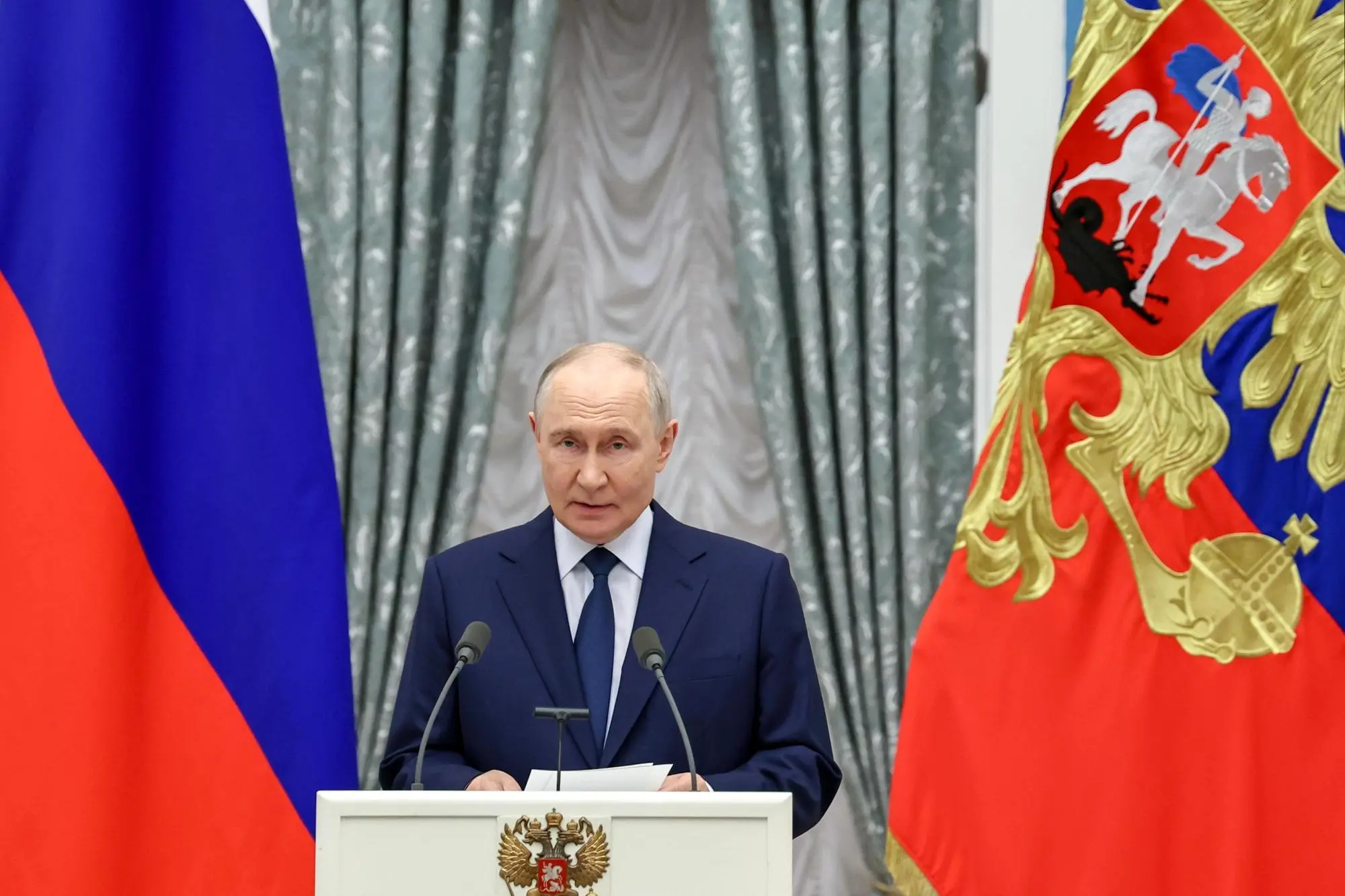
The terse response from Giorgia Meloni's government was immediate: "We do not accept ultimatums or impositions from abroad," especially regarding "national security" and "border controls." "There is no room in Europe for those who fuel illegal immigration channels to obtain cheap labor and lower rights," the prime minister reiterated ahead of the ceremony marking the Marcinelle tragedy. Therefore, the Schengen suspension will not be lifted, at least for now. Palazzo Chigi explained that Italy "under no circumstances intends to review the decision at least until August 15," a date that social media buzz in Morocco has identified—and spread—as a possible date for an upcoming attempt to "enter Europe" through Ceuta and Melilla: a warning that the Spanish authorities themselves have described as "credible."
"Only when we are certain that there will be no security or terrorist risks for Italy, that there will be no new wave, and that there are no irregular migrants heading towards European territory will it be possible to review the decisions already made," the government states, emphasizing the absence of "prejudice against a friendly country like Spain" and recalling "similar decisions adopted in the past with Slovenia." According to the Sánchez government, however, the measure decided by Rome, "unprecedented in recent history," is "unfair, contrary to the interests of the EU, and discriminatory against the Spanish population." And it was adopted "with specious arguments and incompatible" with both the Schengen Agreement and the truth: according to Madrid, in fact, "there is no reason" for Italy to maintain border controls, given that at least 70,000 of the 72,000 migrants who entered Ceuta illegally have already returned to Morocco. And that, in any case, none of them would be able to "freely enter the Schengen area because the autonomous city enjoys a special status."
Spain also insisted that, according to Frontex, Italy is the Member State that has recorded the highest number of irregular crossings in recent years, "with figures double those of Spain." Then, the attack: "Since 2022, Italy has been violating the Dublin Regulation (which establishes which country has jurisdiction over asylum requests, ed.), causing further migratory pressure on other Member States. " "Despite this," Madrid claims, "Spain has never introduced controls on Italy." On the contrary, "it has always shown solidarity," as when "it welcomed some of the migrants arriving in Lampedusa in 2023." Finally, the appeal: "We trust," the Spanish statement concludes, "that Europeanism, common sense, and good faith will prevail."
(Unioneonline)