

The great revolution of our time? Longevity.
Federico Rampini and a hymn to the age of white hair, or rather "quicksilver"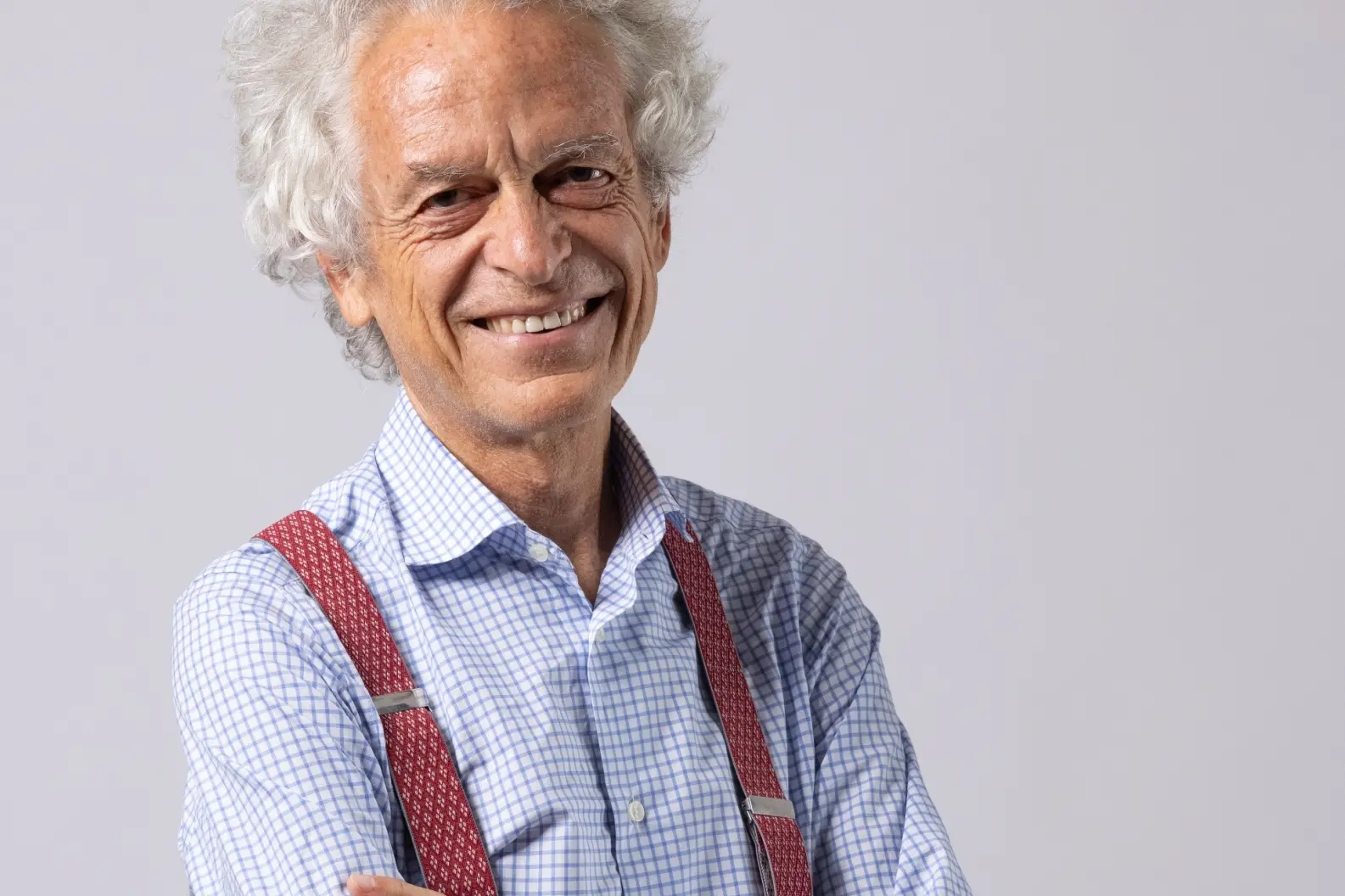
Per restare aggiornato entra nel nostro canale Whatsapp
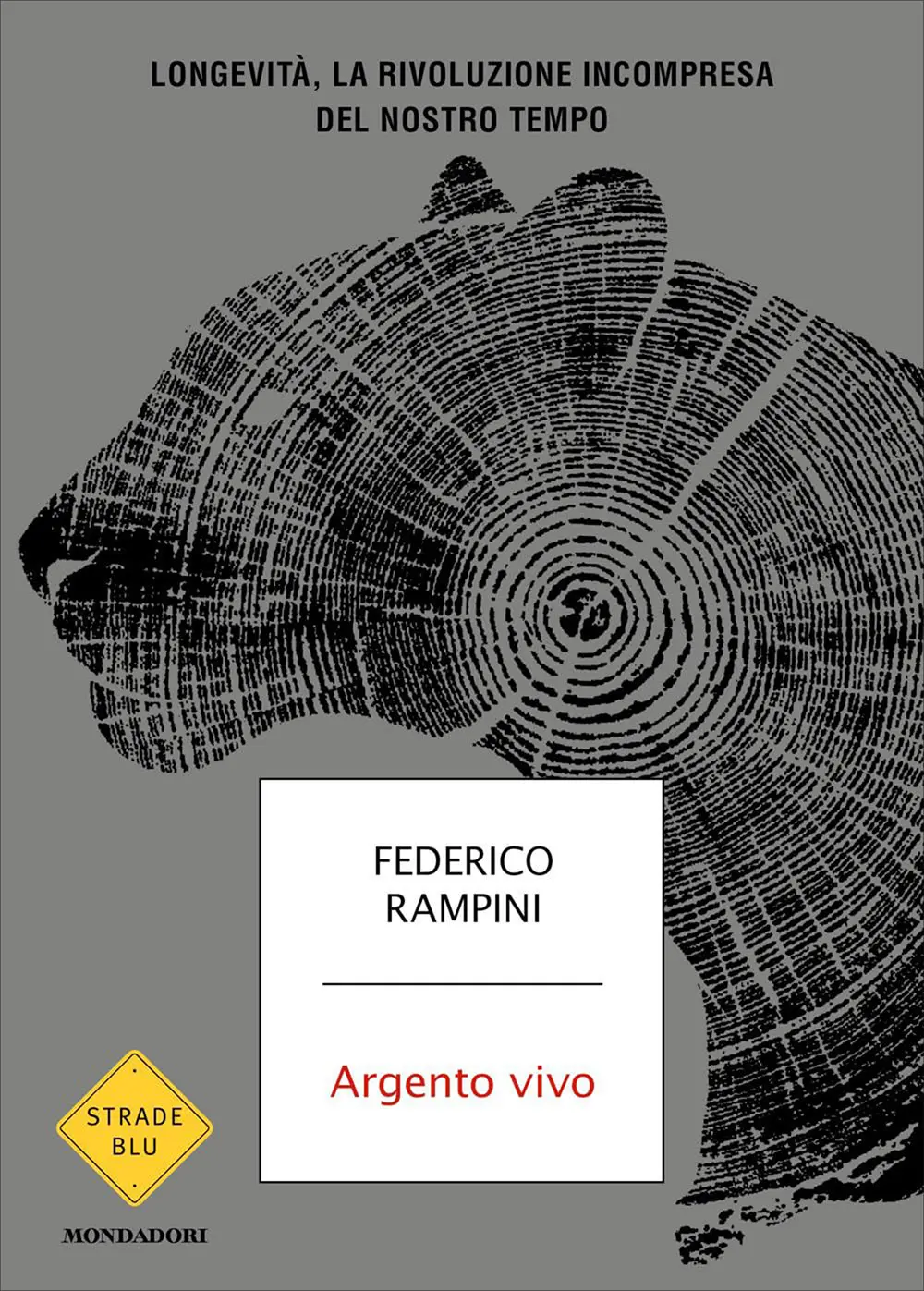
The increase in human longevity is described as a ticking time bomb: pensions collapsing, healthcare in decline, young people robbed of a future. Federico Rampini disagrees, and writes it clearly in his latest book, Argento vivo (Mondadori, 2026, €20.00, 252 pages. Also available as an ebook), a manifesto for his generation, now grappling with an old age no one has ever experienced so long, healthy, and full of possibilities. An old age that must first contend with some deeply rooted stereotypes about those approaching seventy. An invisible prejudice that discriminates against the elderly: ageism. In a world like ours that glorifies youth and marginalizes old age, ageism manifests itself through the reduction of rights, the devaluation of experience, and social marginalization. Rampini reverses this perspective. With the irony of someone who runs marathons at seventy and opened a business at the age when Italians would retire, he dismantles the demographic panic industry.
The data, in fact, says longevity is the true revolution of our time. But is this really the case?
Of course, because it's an unprecedented phenomenon. A species extending its lifespan by decades is something we've never seen before. We're inventing a new stage of life, just like adolescence. Yet, we portray it as a catastrophe: the panic industry is turning one of the greatest achievements of human progress into a disaster. In Italy, especially, we hear only about rising pension and healthcare costs, resources taken away from young people. We risk a self-fulfilling prophecy.
What extra gears do the “silver-haired” people of our time have?
We're better off, in health and in our wallets, than all the older people of the past. The mature brain is slower but more profound: it grasps context, distinguishes the essential, tolerates ambiguity. It's called wisdom. The happiness curve rises after 50. Furthermore, we are the richest consumer market and the largest reserve of savings on the planet. Many of us continue to generate wealth even in retirement: work, business, volunteering, helping our children and grandchildren.
Which nations understood the longevity revolution early?
Japan, the first to experience a declining birth rate and record numbers of centenarians, views it as a dividend and encourages older people to return to work. Singapore has made lifelong learning a national policy. In America, there's no mandatory retirement age: when in Italy I would have retired, in New York I became an entrepreneur, surrounded by peers doing the same. China has been organizing industrial fairs dedicated to the silver economy for years.
Would you call Sardinia a laboratory of longevity?
Yes, it's one of the areas in the world with the highest number of centenarians, approaching the record of the Japanese island of Okinawa, and scientists come to study it. It's the Italian paradox: the world wants to understand and imitate our quality of life, while at home we portray aging as a national disaster. Two Italian longevity luminaries, whose discoveries I explain in the book, are among the scientists who emigrated to America to conduct research.
But aren't we risking clipping the wings of young people by focusing on longevity?
It's zero-sum thinking, economic illiteracy: work isn't a fixed pie to be divided up. Sweden, Japan, and the United States have many older workers, yet youth unemployment isn't the highest. Those who work consume, invest, and create opportunities for all. Gerontocracy in the halls of power is another matter, and Italy suffers from it. In America, you can find seventy-year-olds founding businesses alongside thirty-year-olds leading startups in California's Silicon Valley.
In the book you gave space to your family and many personal memories... why?
Because longevity is something you experience firsthand. My 70th birthday and the birth of my granddaughter India have almost forced me to write this book, which is dedicated to her, to my wife, a peer of mine who works harder than I do, and to my mother, who is 92. The women in my family—my mother Maria Pia, my grandmothers, my great-aunt Ortensia, who at 96 could recite Carducci by heart—knew the art of enduring without complaining. From my mother, I learned to forget the worst and remember the best.