

Trexenta, an avatar is born to make the cultural experience more inclusive.
The project stands out for a specific choice: to use technological innovation as a tool for engagement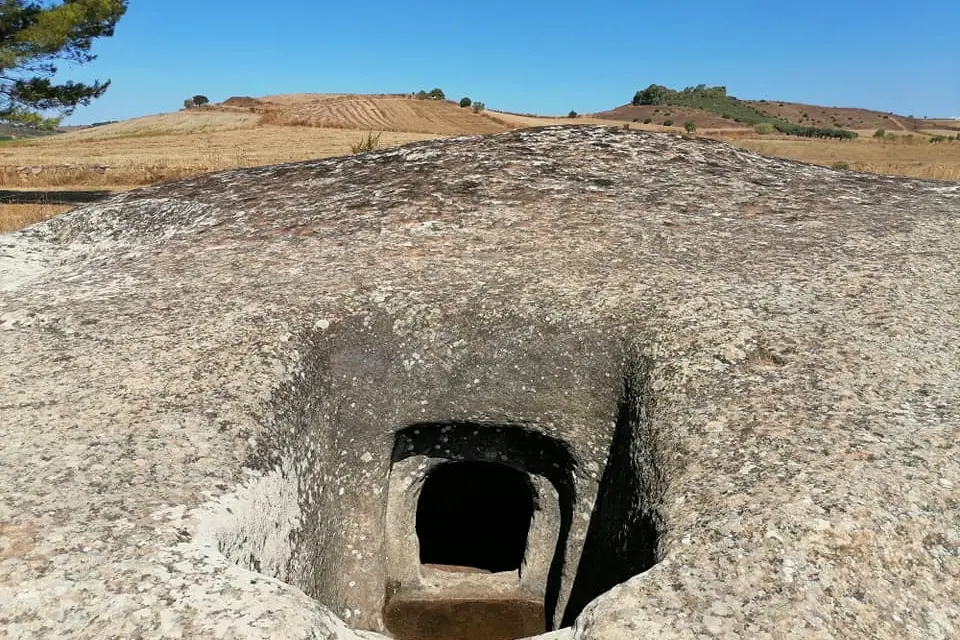
Per restare aggiornato entra nel nostro canale Whatsapp
Not just a simple digital guide, but a new model for enjoying cultural heritage. This is the essence of the project dedicated to the Domus de Janas recognized by UNESCO, promoted and commissioned by CeSim – Center for Identity and Memory Studies, which is pursuing a comprehensive program for the enhancement and enjoyment of the sites, developed by the Trexente-based company Antes Servizi di Archeologia Turismo e Marketing. The project stands out for a specific choice: using technological innovation as a tool for cultural inclusion. The virtual guide is designed to be used by visitors of different skill levels, ages, and linguistic backgrounds, offering more equitable and participatory access to the content.
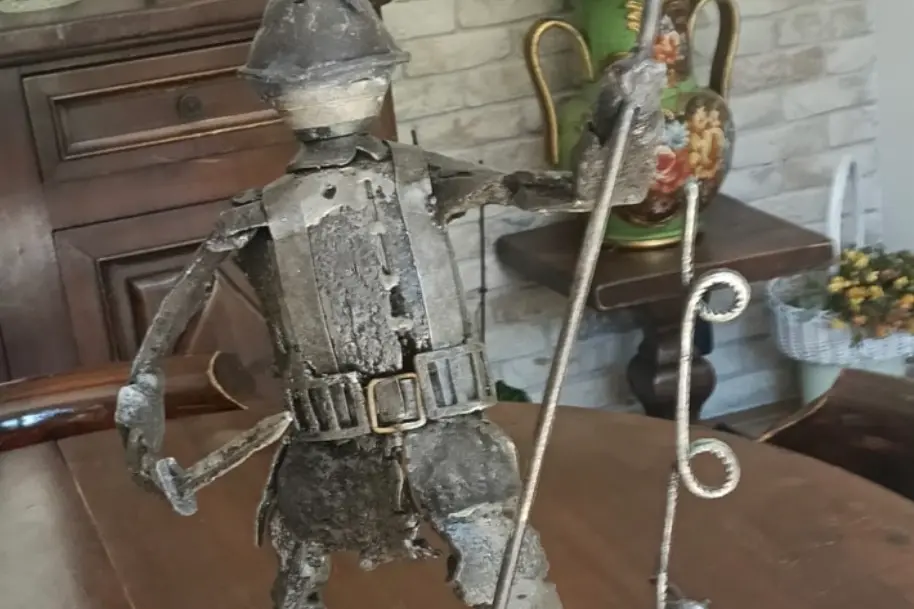
Upon launching the avatar, called "The Guardian of the Domus de Janas," the user identifies themselves (professional, teacher, child, or simply curious, etc.) and, unlike traditional audio guides or static content, can interact with the system, which adapts to questions and adjusts the level of detail and language. This approach overcomes one of the most common limitations in heritage communication: the difficulty of simultaneously addressing multiple audiences. CeSim played a key role in this process, promoting and supporting the initiative with the aim of experimenting with new forms of promotion that combine scientific rigor and accessibility. The technical implementation was handled by ANTES, a company specializing in the development of digital solutions for cultural heritage, which translated the scientific and dissemination needs into an advanced interactive system.
The result is a tool that doesn't replace a visit, but rather enriches it: an interface capable of sparking curiosity, facilitating understanding, and deepening the experience of the site. In a context where the promotion of UNESCO heritage requires increasingly inclusive and contemporary language, the project represents a concrete example of how artificial intelligence can be used not as an end, but as a means to expand access to knowledge.