

Sassari: The municipality has more male than female employees, but female graduates outnumber male.
Dissatisfaction with pay and career advancement: Data from the 2025 Performance Report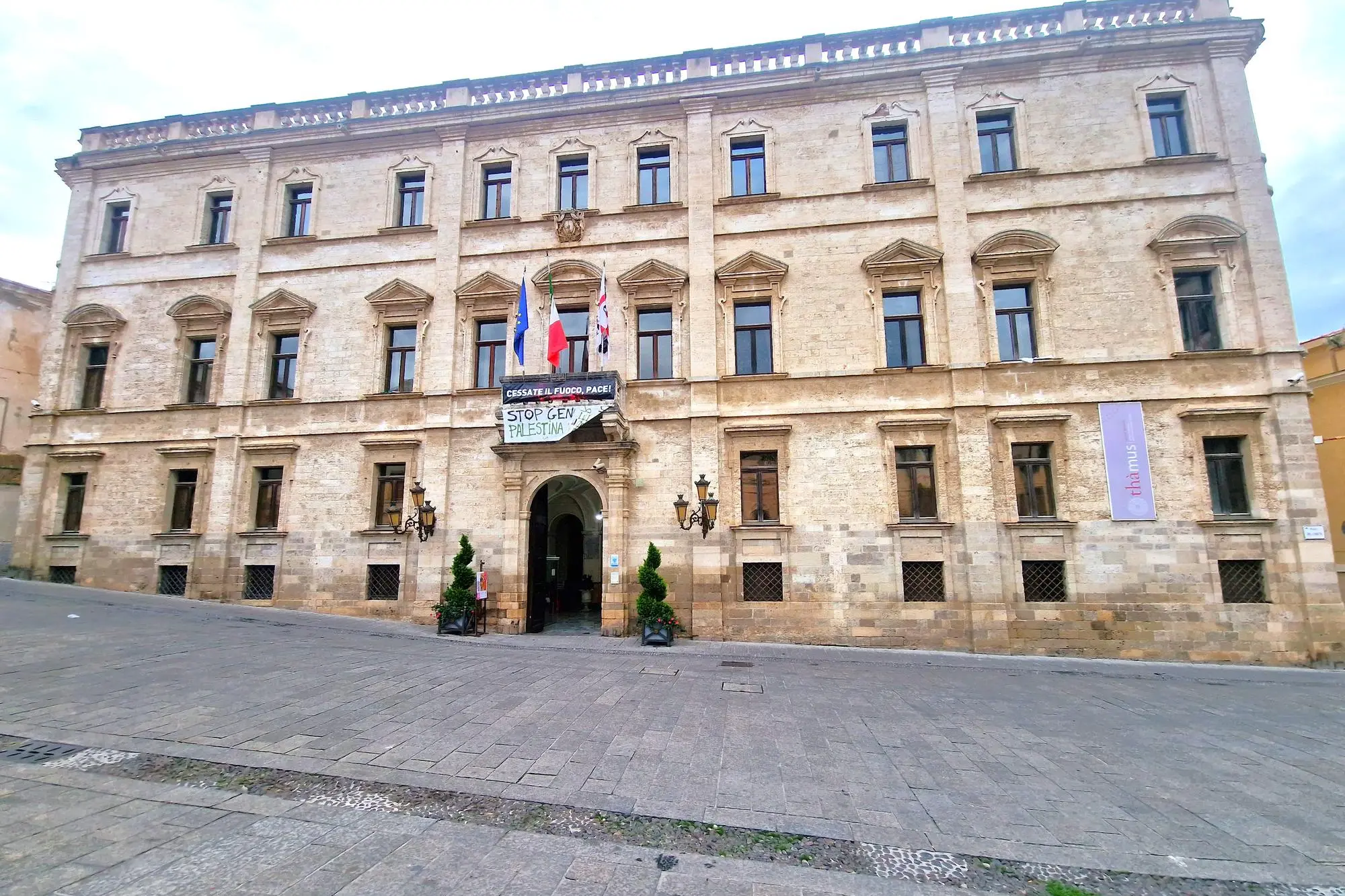
Per restare aggiornato entra nel nostro canale Whatsapp
There are more men than women in the Municipality of Sassari , but the latter, in the Highly Qualified category, boast a greater number of female graduates.
The staff working for Palazzo Ducale appears varied, according to what is reported in the 2025 Performance Report.
The total number of employees is 740 , of which 680 are permanent and 60 are temporary. Men dominate, with 372 employees, while the other half are male, with 308.
The largest number of municipal workers—384—are in the Instructors category, accounting for 56.47%, while 225 are in the Highly Qualified category. It is precisely in this latter "sector" that women are the most numerous, while in the most senior positions, men dominate, accounting for 69% of the total, with 10 male managers versus five females.
49% of employees have a bachelor's or undergraduate degree, while 44% have a high school diploma. And when it comes to educational qualifications, women predominate : 200 of them are female graduates, including those in the Highly Qualified and Instructor positions, compared to 135 men.
Another significant finding emerges from the report: the average age of staff is nearly 53, in line with the national trend. The over-50 age group represents 65.15% of the total, and 148 people over 60 make up 21.76% of the workforce. The 30-49 age group accounts for 33.38% of the workforce, while only 10 workers are under 30, or 1.47%. However, as is well known, "a position in the Municipality" is no longer a sought-after position, for reasons partly expressed in the Organizational Well-being questionnaire for 2025.
Completed anonymously by staff, but only 20% wrote it, it reveals the main critical issues experienced by workers and which are highlighted in the report. The following are cited as unfavorable: "The perception of fairness in pay and career progression, the functioning of the performance evaluation system, particularly with regard to the ability to recognize and reward deserving individuals, and the adequate explanation of the system." These factors point to a broader administrative landscape where those who are able to do so opt for transfers to public institutions, such as the Region, where salaries, and perhaps even professional satisfaction, are higher.