Sassari, municipal ombudsman for children and adolescents: "Alcoholism and school dropout rates are a concern."
Among the most at-risk neighborhoods are the historic center and Li Punti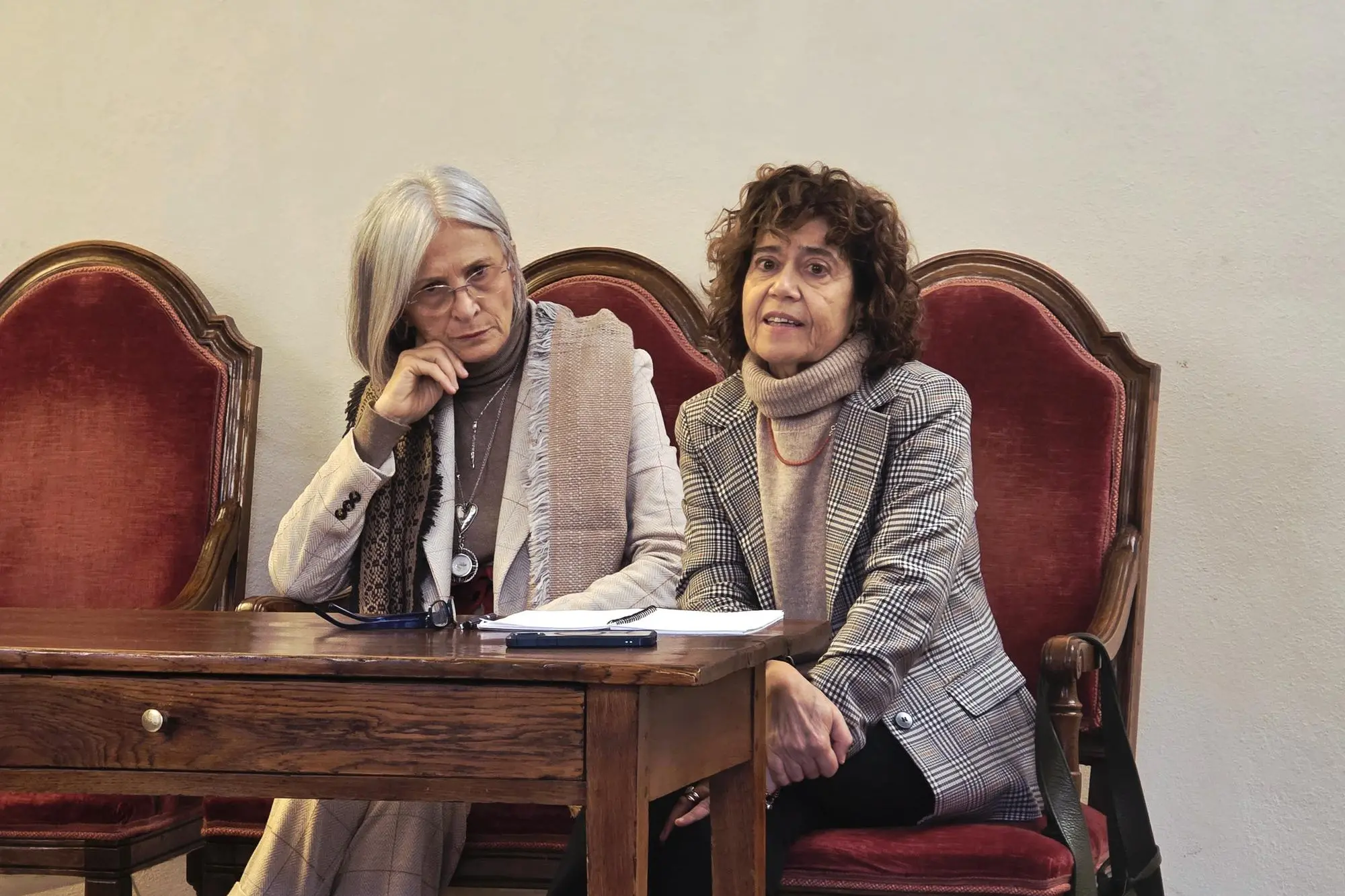
Per restare aggiornato entra nel nostro canale Whatsapp
Youth alarm in Sassari. In recent days, the Sixth Commission, chaired by Vannina Masia at Palazzo Ducale, focused its work on the critical issues faced by the younger generations. The situation was illustrated by the regional ombudsman for children and adolescents, Carla Puligheddu, and her recently appointed municipal counterpart, Maria Antonietta Muroni. Muroni, a retired neuropsychiatrist for the local health authority, has gained a privileged perspective on the problems of children and adolescents over the years. "I'm very concerned about school dropouts," she says. "It used to affect high school students, but now it's already growing in middle school."
There are positive examples in the city, like Punto Luce in Latte Dolce, an educational community promoted by Emergency and UISP (Italian Youth Federation), which helps children with school remediation and sports activities, but more are needed. The doctor also reports children who can't attend class because they suffer from panic attacks, but also because of a lack of integration for them, and in general, in the transition from elementary school to the next level, as happens for children aged 2-5 years old. "Alcoholism is an emergency," she continues, "and especially among middle schoolers. They consume alcohol in massive quantities, having adults buy it for them." This makes them more uninhibited, breaking down resistance, but with consequences that can have a lifelong impact. "All that drinking burns out the neurons of a growing child. They make you see devastating videos and actions whose dangers they simply don't understand." Teenagers also report that at the entrance to nightclubs they are given a plastic cup filled with alcohol and a gummy bear that absorbs the drink, swelling up and increasing the effect.
The neighborhoods at risk for youth hardship are particularly the historic center and, worryingly, Li Punti, once a haven of happiness. Leaving the Sassari context, the regional ombudsman explains her duties: "I am a facilitator who gathers the concerns of children and young people in an adult-centric world." This role often clashes with courts and prosecutors "where," she accuses, "there is unacceptably slow progress." There is talk of foster care and adoption, the latter a kind of obstacle course. "Decisions regarding children and young people are made on the fly, in the absence of data, or perhaps by relying on national data." The ombudsman states that she has proposed, in the regional commission, a social pact for the education and inclusion of these age groups. A way to preserve the island's future.