Sardinian truck drivers are becoming extinct: fewer businesses, rising age, and unsustainable costs.
The trucking sector is on the brink: the island could lose up to 2,500 drivers by 2036.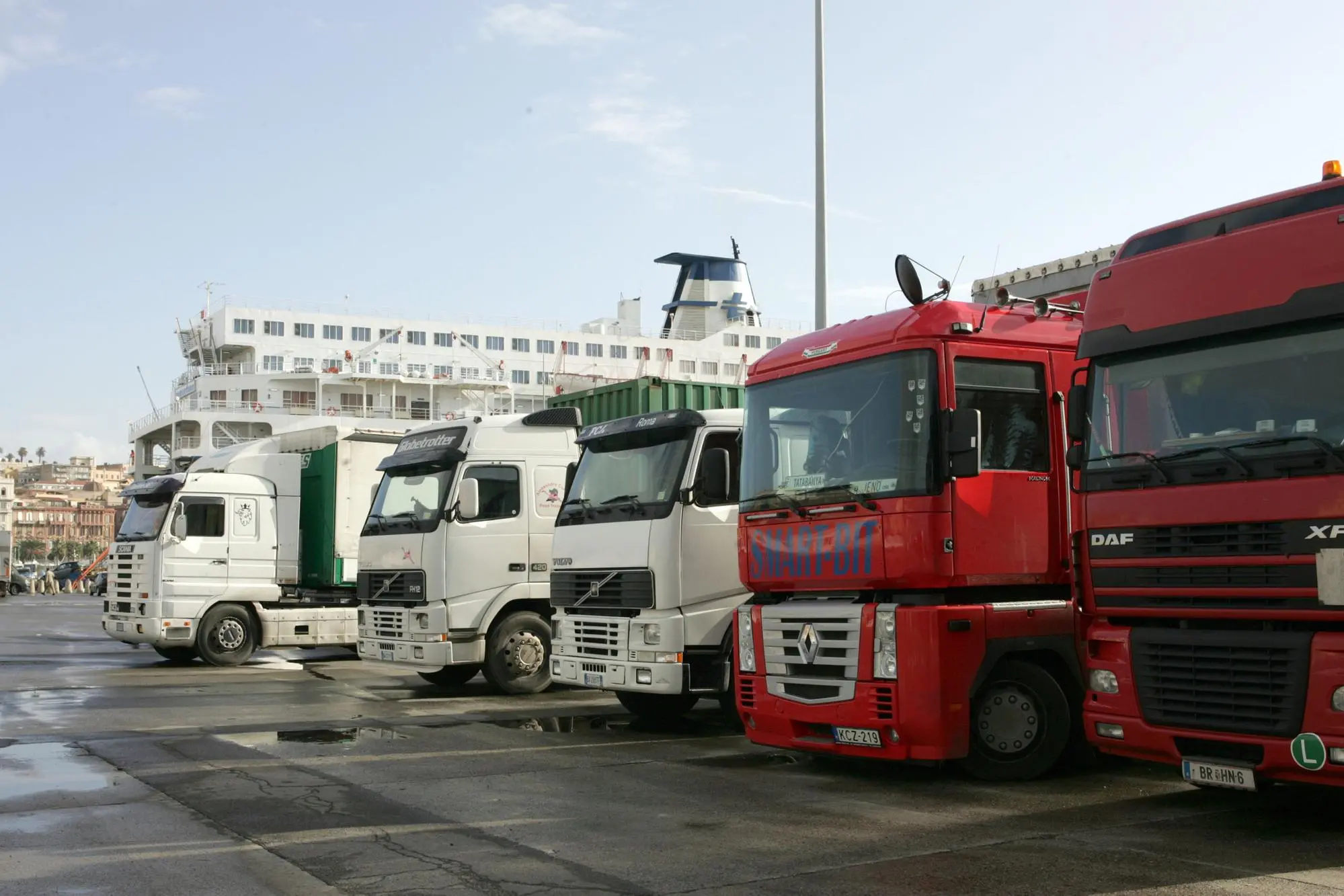
Per restare aggiornato entra nel nostro canale Whatsapp
Between 700 and 1,000 drivers are already missing, with an average age of 54, and a forecast that's causing fear in the industry: by 2036, Sardinia could lose up to 2,500 drivers across freight, logistics, and passenger transport. That's practically half of the island's current workforce.
"In Italy, the average age of truck drivers is 50, and in Sardinia we've already surpassed that. There's a risk of creating a huge gap in the sector," warns Valerio Mereu, regional secretary of Uil Trasporti. "To avoid this, we should train and hire at least 2,500 new drivers."
The problem stems from a decade of business decline. According to data from the Ministry of Transport, compiled by the Uomini e Trasporti association in the book "100 Numbers to Understand Road Transport," the number of companies in the sector in Sardinia has dropped from 2,600 to just over 1,800 in ten years: a 27.9% decline, affecting nearly three out of ten businesses.
Ever-increasing costs are also weighing on companies' finances. Fuel prices are skyrocketing, and the European Union's ETS (Emissions Tax) has been added, making maritime freight transport much more expensive.
"Transporting a trailer from Olbia to Genoa costs up to a thousand euros more than before," explains Mereu. "Many companies can't afford these costs. Only the most structured companies, with a healthy portfolio, can afford them. In Sardinia, no one is working on this problem."
There's another issue that particularly penalizes the agri-food sector. During peak season, shipping companies prioritize taking tourists and cars on board over livestock. "In Olbia, they don't allow them to board to ensure the continuity of cargo during peak periods," Mereu explains. "The livestock stays on land because they prefer to make room for the cars."
Complicating matters further is the fact that young people no longer want to pursue a profession. "It's a job that's no longer attractive: companies are increasingly struggling to find staff," Mereu explains. The licenses needed to drive a semi-truck or bus can cost up to €5,000, while the pace remains demanding: up to 10 hours a day behind the wheel. Many companies, faced with a shortage, are already looking abroad to find staff. Meanwhile, the sector is changing: "We're witnessing the gradual disappearance of small businesses and the growth of more structured companies," Mereu observes.
Also on the table is the European debate on raising the working age for drivers to 70, about which Mereu has no doubts: "As a union, we don't believe it's safe to keep such elderly workers driving articulated trucks for up to ten hours a day."