

Sardinian Carabiniere receives compensation after contact with uranium during missions abroad, "But the ministry resists appeal."
According to the TAR, the soldier worked without adequate protection in Kosovo, Ethiopia-Eritrea, and Albania.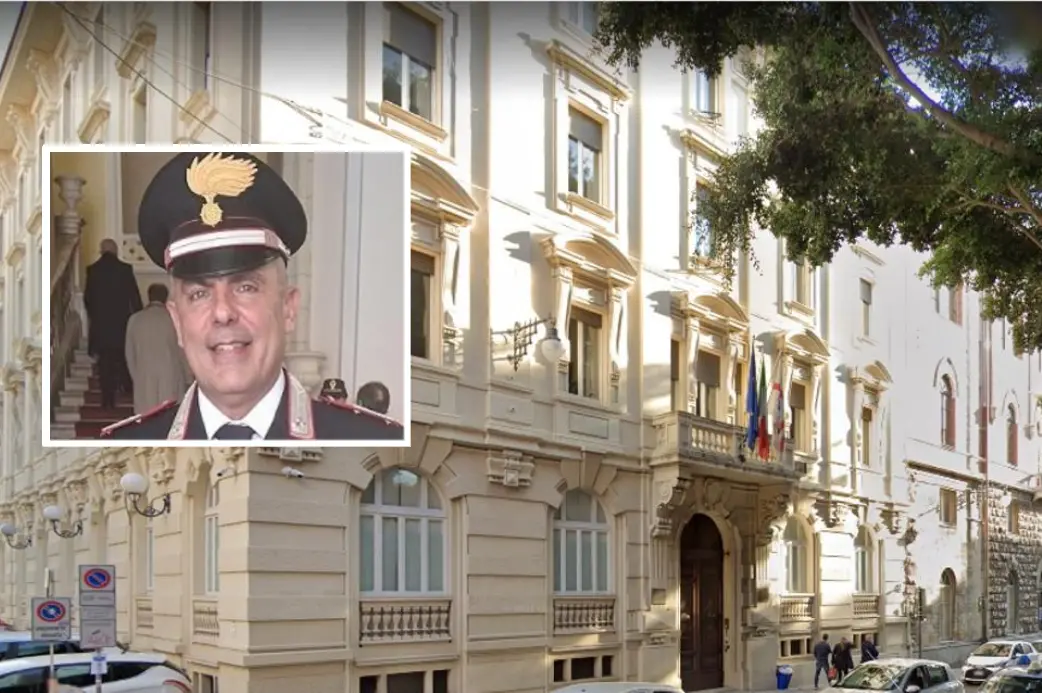
Per restare aggiornato entra nel nostro canale Whatsapp
Three missions abroad in Kosovo, Ethiopia-Eritrea, and Albania were behind him. Then, at age 34, he was diagnosed with cancer: surgery, five rounds of chemotherapy, and the fear of not surviving. Today, twenty years later, Cesare Salvo , a Carabiniere from Cagliari, achieves a victory.
The Regional Administrative Court of Sardinia has recognized the Ministry of Defense's liability for the tumor that struck him and ordered compensation for damages . The first-instance ruling focuses on the conditions under which the soldier served. The Observatory also reports that the Ministry has already appealed the first-instance ruling.
On the merits of the case, the administrative court considers it established that Salvo was also sent to areas characterized by the use of depleted uranium weapons and the presence of heavy warfare devices and notes that, from what is evident from the documents, he operated without specific means of protection and without the necessary preventive measures being effectively adopted.
"The picture reconstructed in the trial is one of exposure to multiple risk factors," reads a statement from the National Asbestos Observatory, which followed the Carabiniere's legal case through attorney Ezio Bonanni . "The technical expertise obtained by the judges also cites heavy metals, ionizing and non-ionizing radiation, asbestos, and other toxic substances, along with the extreme conditions of the missions, marked by prolonged stress, hypervigilance, and constant risk to personal safety. The court-appointed expert believed that service in the force played a decisive role in the onset of the disease."
Behind the judicial investigation, however, lies a personal story spanning twenty years. The diagnosis arrived in July 2006. Salvo underwent surgery and chemotherapy, with consequences that profoundly impacted his life. The technical report itself describes significant suffering as he faced the disease. In 2011, the condition was recognized as service-related, and in 2015, Salvo was granted victim-of-duty status.
In the lawsuit, the Ministry disputed the exposure and the correlation between environmental factors and the disease. However, the Regional Administrative Court (TAR) found the evidence sufficient to find the Administration liable. Specifically, the judges found that the Ministry failed to provide evidence that it had implemented the necessary protective measures to ensure operational activities were carried out in compliance with safety standards. "Based on the criteria established by the judges, the compensation that the Ministry of Defense will have to award exceeds €262,000."
According to Bonanni, "A soldier knows that a mission can involve dangers and faces them because he has chosen to serve the state, but this does not mean he must also accept risks that can and should be prevented. This is where this ruling takes on a significance that goes beyond the Cesare Salvo case: those who serve the country have the right to know what they are exposed to and to have all the protections available to them."
(Unioneonline/AD)