

Rent emergency in Sardinia, FI: "€134 million plan for 1,000 subsidized rental apartments"
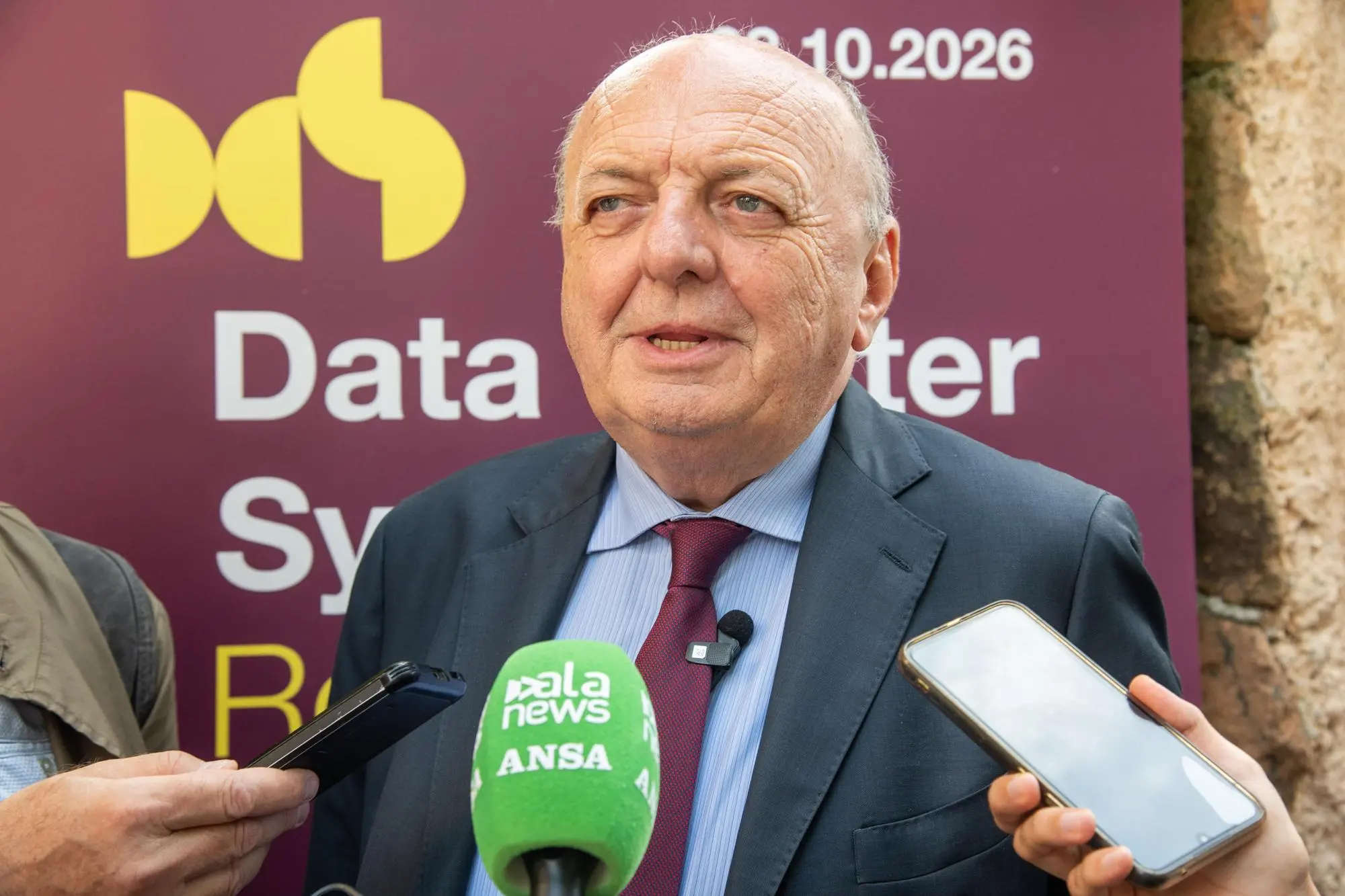
Forza Italia motion in the Regional Council. Gianni Chessa: "Living in Cagliari is now unsustainable." The properties would be allocated to families in difficulty, public employees, and police officers.Video di Stefano Fioretti
One thousand affordable and socially rented apartments, intended for families experiencing financial hardship and for essential service workers, from public employees to law enforcement officers, to be funded through a three-year plan worth €114 million: this is the call for a motion presented today in the Regional Council by Forza Italia councilors (Angelo Cocciu, Gianni Chessa, Piero Maieli, Alfonso Marras, Ivan Piras, and Giuseppe Talanas). The stated goal is to structurally address Sardinia's housing emergency.
The Azzurri start from one fact: in major cities and areas with a strong tourist vocation, rents have reached unsustainable levels, affecting not only the most vulnerable but also the middle class and those who provide essential services, such as the police.
The motion commits the Regional President to establish a regional housing plan for 2026-2028, with a budget of €38 million per year, with Area as the primary implementing body. Central to this is the recommendation to prioritize the recovery of existing buildings, the reuse of abandoned public buildings, and urban regeneration, in line with the principles of environmental sustainability and reduced land consumption. "This is a necessary and necessary initiative for those who can no longer afford rent of €1,000," Chessa emphasized. "Today, living in Cagliari and Sardinia has become extremely expensive, especially for certain categories of workers, such as law enforcement officers or public employees on assignment. The money is available in the regional coffers. We are giving this majority a boost and we also sensitively ask the Regional President to pay maximum attention to this sector."
Alongside the construction of the housing, the bill provides for regional transport incentives, through agreements with ARST and the railway network, to facilitate mobility and family reunification of the beneficiaries. Municipalities will be required to participate by providing public land and buildings, while a permanent regional committee, including local authorities and union representatives, will monitor the plan's implementation.
(Unioneonline)