

Overcrowded prisons, the proposal: "Reopen Asinara"
The secretary of the independent penitentiary police union, SAPPE, requests this. The response: "Unacceptable."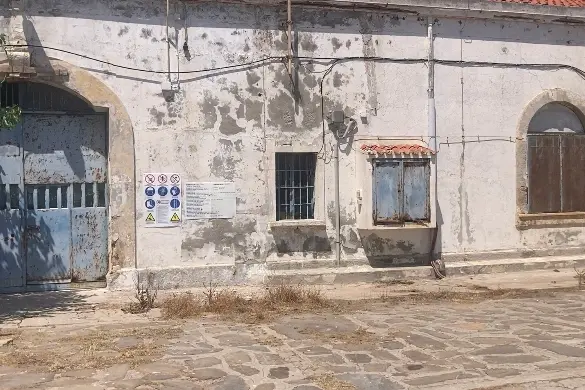
Per restare aggiornato entra nel nostro canale Whatsapp
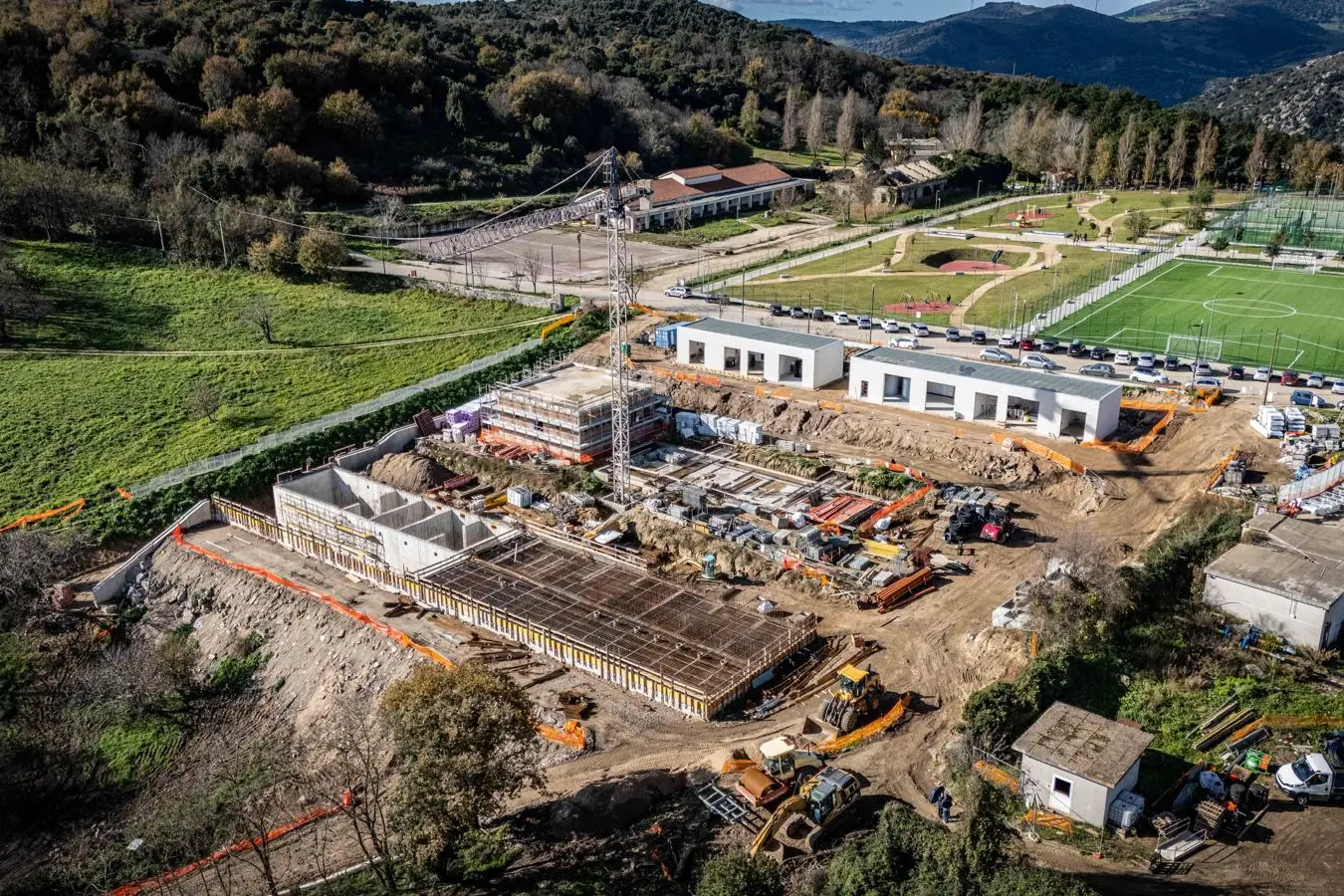
From a super maximum security prison to a National Park since 1997, for thirty years the name of Asinara has emerged as a solution to the problem of overcrowding in penitentiaries and inmates responsible for assaults.
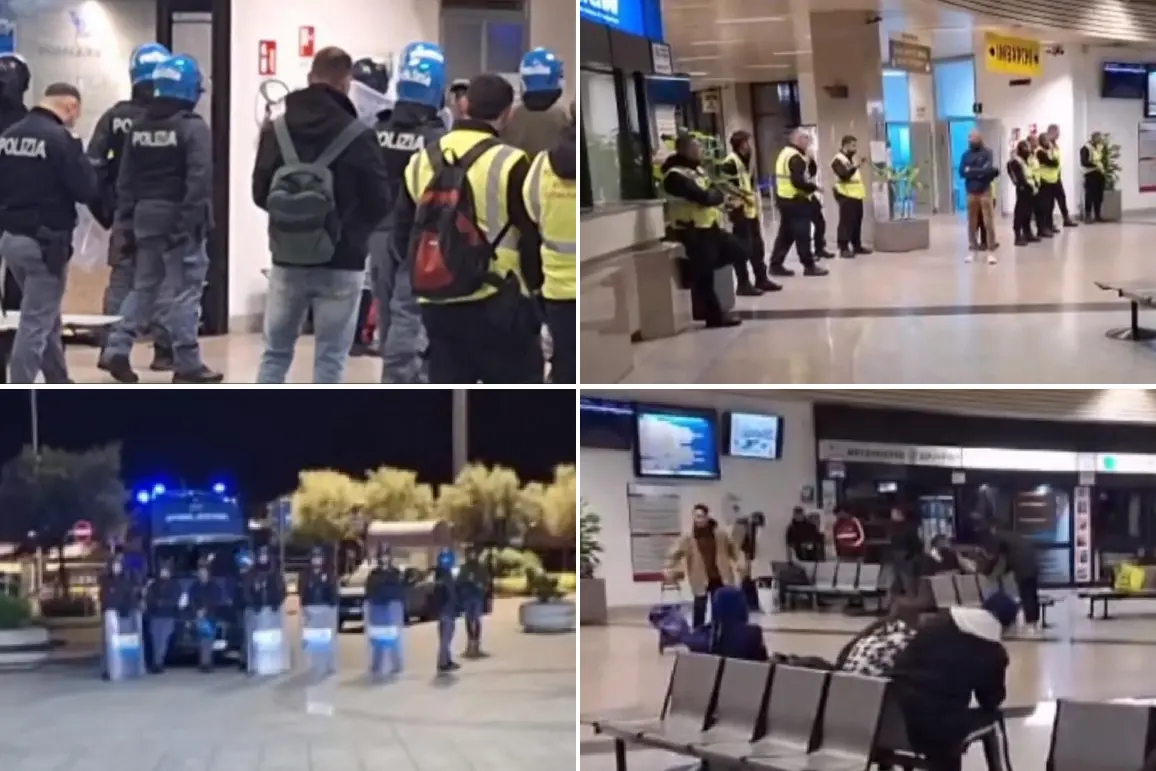
And on this issue, Sappe, the autonomous union of penitentiary police, is trying again, through its general secretary Donato Capece , proposing to evaluate the reopening of the Pianosa and Asinara prisons or to create specialized national facilities, designed to accommodate a limited number of people with very high levels of criticality.
"Prison cannot be governed by the law of the strongest," claims Capece, who calls for the full implementation of the tools already enshrined in the legislation before building new facilities.
The reference is primarily to Article 14-bis of the penitentiary system, which regulates the special surveillance regime for those who compromise the security or order of institutions or resort to violence and threats.
Capece also invokes Article 32 of the Penitentiary Regulations, which allows for the assignment of inmates whose behavior requires special precautions to special facilities or sections. The Italian Left, Avs Isola d'Elba, immediately responded: "Capece's proposal is unacceptable and unfeasible," they say. "It rightly denounces the increasingly dramatic and unsustainable situation in Italian prisons, but unfortunately, it also does so by reiterating, for the umpteenth time, the call to reopen the prisons on Pianosa and Asinara, which have been closed for 30 years because those areas are part of National Parks and are protected by European Directives for the protection of wildlife and habitats."