Olbia, "Sos Sinnos" takes the stage: a journey through the words, sounds, and identity of Sardinia.
Based on the novel by anthropologist Michelangelo Pira, it will be an opportunity to remember the figure of Bachisio Bandinu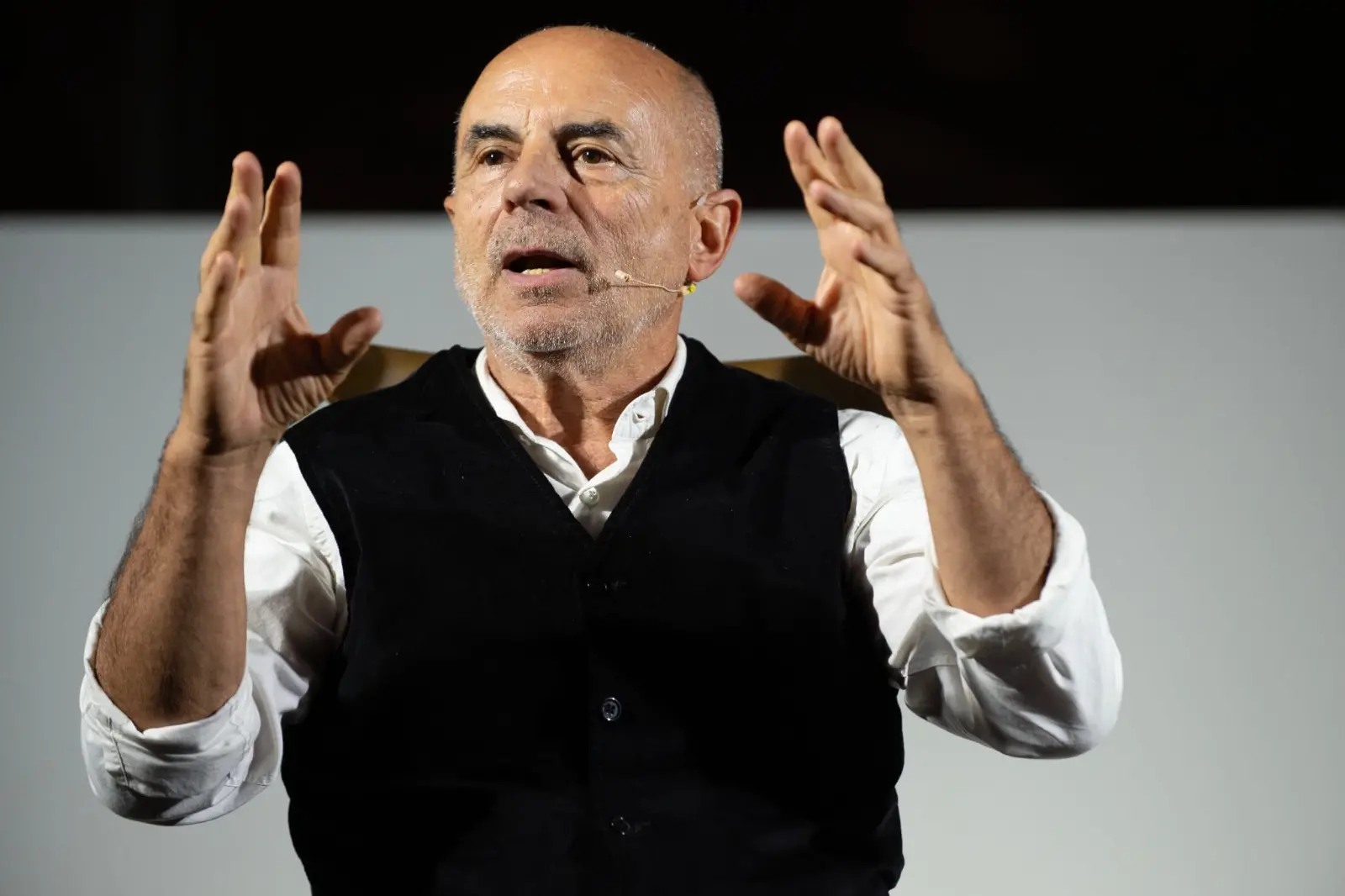
Per restare aggiornato entra nel nostro canale Whatsapp
The show "Sos Sinnos," by and starring Giovanni Carroni, will be performed this evening in Olbia as part of the "Sul filo del discorso" festival, produced by Bocheteatro. Based on the novel by anthropologist Michelangelo Pira, published posthumously in 1983, the show has run for over one hundred performances and will be an opportunity to remember Bachisio Bandinu, who discovered, collected, and organized the work's materials.
"The void left by Bachisio Bandinu, one of the last Sardinian intellectuals, who collected and developed Pira's important cultural legacy, is unfillable," says Carroni, who on stage restores "sos sinnos," the signs, to the living dimension of the word. Oral tradition, the work of the actor, rhythm, and emotion transform writing into an experience capable of engaging a wide audience.
Semiotics thus enters the language of performance in an accessible form, made up of words, gestures, sounds, and images. In "Sos Sinnos," language ceases to be merely a tool for communication and becomes memory, belonging, identity. "Sos Sinnos, in my opinion, remains, along with Benvenuto Lobina's "Pro cantu Biddanoa," the most beautiful novel in Sardinian literature," says the actor, whose long career has spanned theater, film, and television. "With Pira, I share the experience of the fracture I experienced at school with the official language, the state language, learned at the expense of the language of the 'community,'" citing the inspiration of his seminal work, "The Revolt of the Object." The text of "Sos Sinnos" becomes a tool for questioning the present. Decades later, many questions seem far from over. "Perhaps this is the deepest meaning of a work that, born from a reflection years ago," Carroni continues, "still continues to pose extraordinarily timely questions today. Bitti and the community become the starting point for a story that speaks of a specific land, yet manages to interrogate universal themes: identity, belonging, the loss of one's roots, the need for cultural autonomy. The word, that word born within a community and passed down through "sos contos," returns to the forefront. From the outset, the show was conceived as a "theatrical-sound" project, "in which the texts from Michelangelo Pira's novel enter the music, follow it, and are independent of it, constituting a semantic enrichment of the musical language." The incidental music, therefore, is fundamental. "It was developed with Mauro Mibelli, and Omar Bandinu for the electronic part," explains Carroni. "The presence of the Tenores di Bitti "Mialinu Pira" is also an essential narrative component of the show. In particular, the Tenores offer sound solutions that guide the audience in discovering individual voices, which become musical instruments.” The event is at 9:30 pm in Piazza dello Scolastico. Admission is free.