

Sassari, Bar Association Conference: "Judges must speak in some cases."
Magistrates, lawyers, and journalists meet to discuss balancing the presumption of innocence, institutional communication, and the right to report.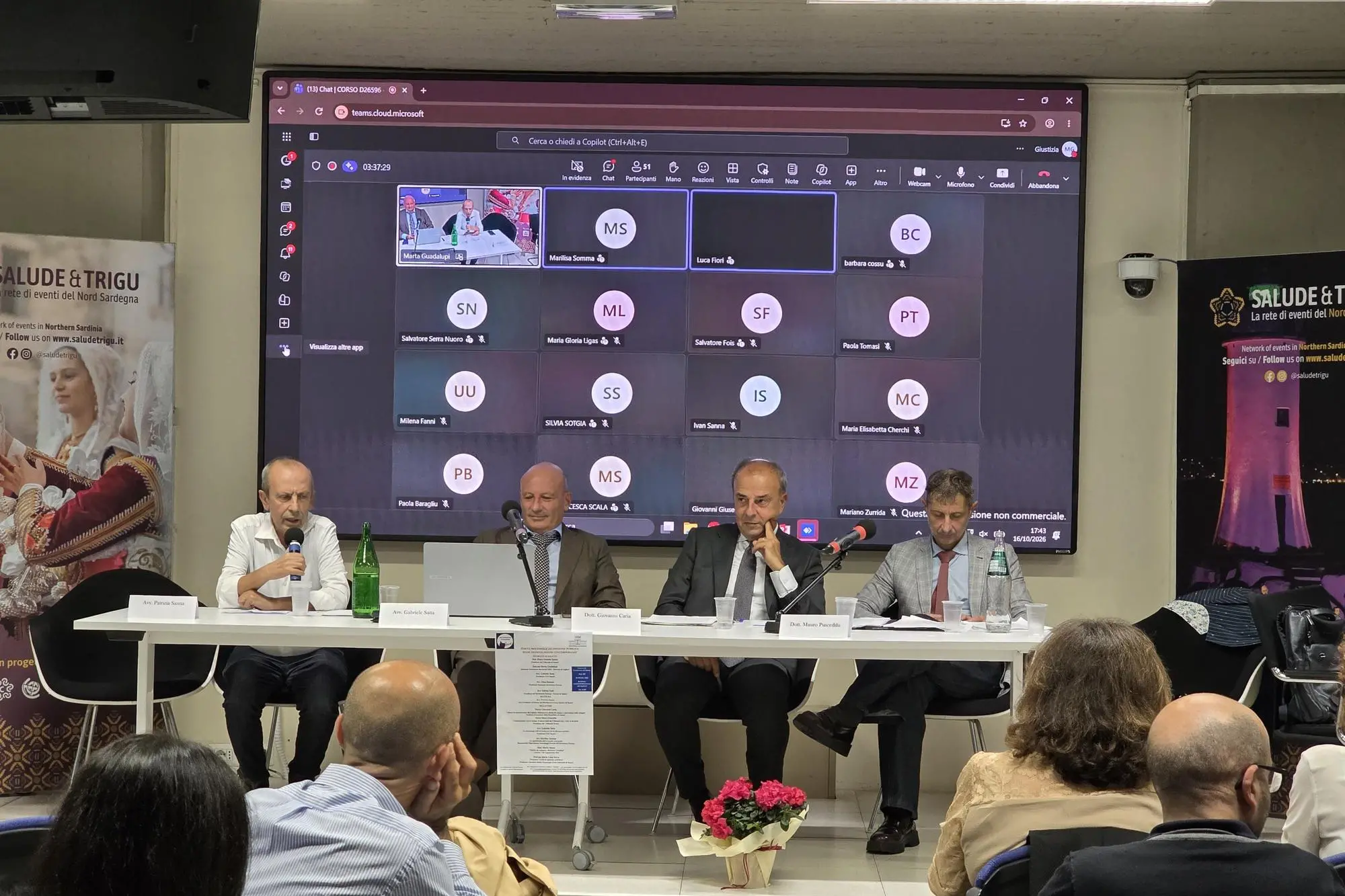
Per restare aggiornato entra nel nostro canale Whatsapp
Silence and words in communication about judicial proceedings. These contrasts were explored recently at the Chamber of Commerce in Sassari, during a conference sponsored by the Sassari Forensic Movement and the Scuola Superiore della Magistratura. "Procedural Truth and Public Opinion. Contemporary Ethical Challenges" was the title of the meeting. After greetings from the President of the Sassari Court, Antonio Pietro Spanu, and Judge Marta Guadalupi, coordinator of the decentralized training program SSM - Cagliari district, the meeting delved into the tricky terrain of explaining justice to citizens. Gone are the days, as Deputy Prosecutor Gianni Caria reports, of "slamming a monster on the front page."
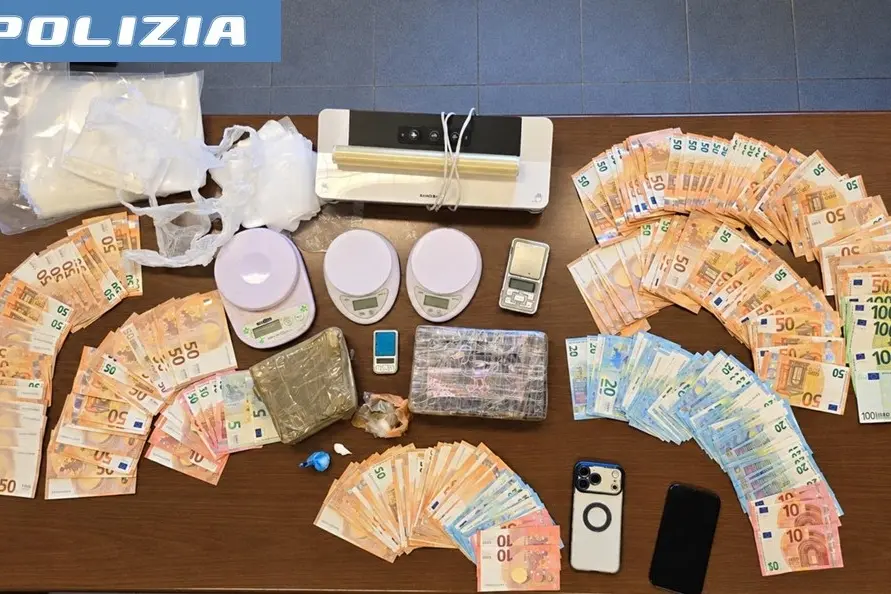
Now , information is regulated by specific provisions that govern its content , and the most obvious shift is from protecting the presumption of innocence to protecting the reputation of the suspect. This is without prejudice to the fact that, despite all precautions, some reporting will still be required regarding arrests and possible prison sentences. "Only in dictatorships," Caria emphasizes, "do people disappear and no one knows what happened to them."
And so here are the prosecutor's notes, "cleaned" of overly precise details that could lead to the identity of the arrested person. But the investigation phase is only one step in the complex judicial process, whose final outcome comes from the magistrates' decisions. "It used to be said that judges should speak through their sentences," says Mauro Pusceddu, president of the Nuoro court. "Now, however, in some situations, they must speak." This is established in the June 10, 2026, update of the CSM guidelines on "correct institutional communication." This can be done either through special press conferences or, more likely, through notes that partially explain certain decisions. These notes, among other things, are intended to update the proceedings. This is also a way to raise public opinion, which is often overwhelmed by the media hype surrounding certain events. In short, the paper speaks volumes, and for Gabriele Satta, president of the Sassari Bar Association, the lawyers themselves should also speak up.
"It allows us," he states, "to calibrate our statements and measure their content and tone." Journalist Mario Mossa was critical of the restrictions on communications, particularly the Cartabia law, focusing in detail on the slippery slope of sources, a valuable tool theoretically protected by anonymity. But judges and prosecutors could demand their identities. These are complex issues and boundaries where investigative and judicial activity struggles to address those who, by profession, are communicators. "And," Mossa emphasizes, "they have to report news."