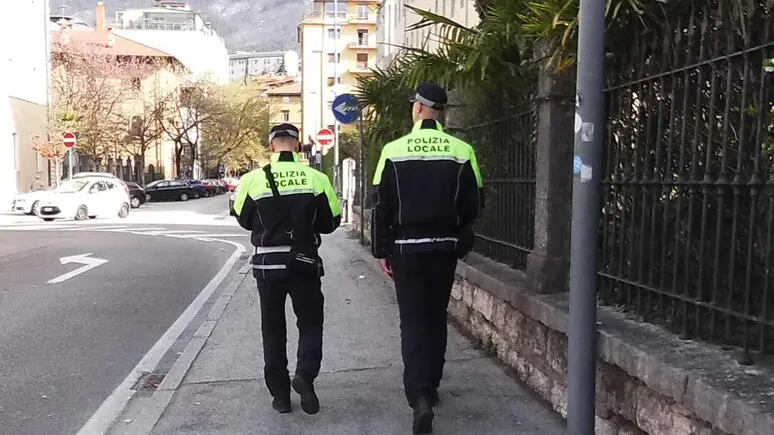


Fewer accidents, no deaths, but still too many dangerous driving behaviors. This is the picture that emerges from the data released by the Nuoro Local Police for the first half of 2025. From January to June, officers detected 91 accidents in the town center: a 13% drop compared to the same period in 2024 (104 accidents) and 25% compared to 2023, the year in which 120 accidents occurred, four of which were fatal.
A trend in clear improvement, therefore, which confirms the effectiveness of the prevention actions implemented, but which also highlights unresolved critical issues, such as excessive speed, failure to respect precedence and the increase in pedestrians involved.
The numbers in detail
Of the 91 accidents recorded in the first six months of 2025, there were 18 injuries and no victims, a figure that marks a significant reversal compared to previous years. However, there were 11 pedestrians involved, two more than in the same period of 2024, a signal that requires attention to weak mobility and the shared use of urban space.
The analysis of the time slots shows that most of the accidents occurred in the morning between 8 and 12 (38 accidents), followed by the 12–18 time slot with 33 episodes. These are times of high traffic density, coinciding with work and school trips.
The most frequent causes
The two main causes ascertained by the Local Police are failure to give way and risky maneuvers, which are the cause of 37 accidents, and speed not commensurate with the road and traffic conditions, responsible for 20 accidents. In addition to these, there are three referrals to the Judicial Authority for drunk driving, with a blood alcohol level exceeding 1.5 g/l, a crime that carries heavy criminal and administrative sanctions.
Economic and social impact
In addition to the direct effects on the health and safety of citizens, road accidents have a significant economic impact. The estimated social cost of accidents recorded between January and June 2025 is equal to 1,941,634 euros, a sum that includes health expenses, damage to vehicles and infrastructure, days of work lost and repercussions on the insurance and social security system.