

Cagliari, Superintendency raids the Amphitheater
Weeds on the arena floor and trash along the fence: tensions with the Municipality. An inspection was also conducted at the Villa di Tigellio. After 19 years, the Bastione di Santa Caterina will reopen at the end of the month.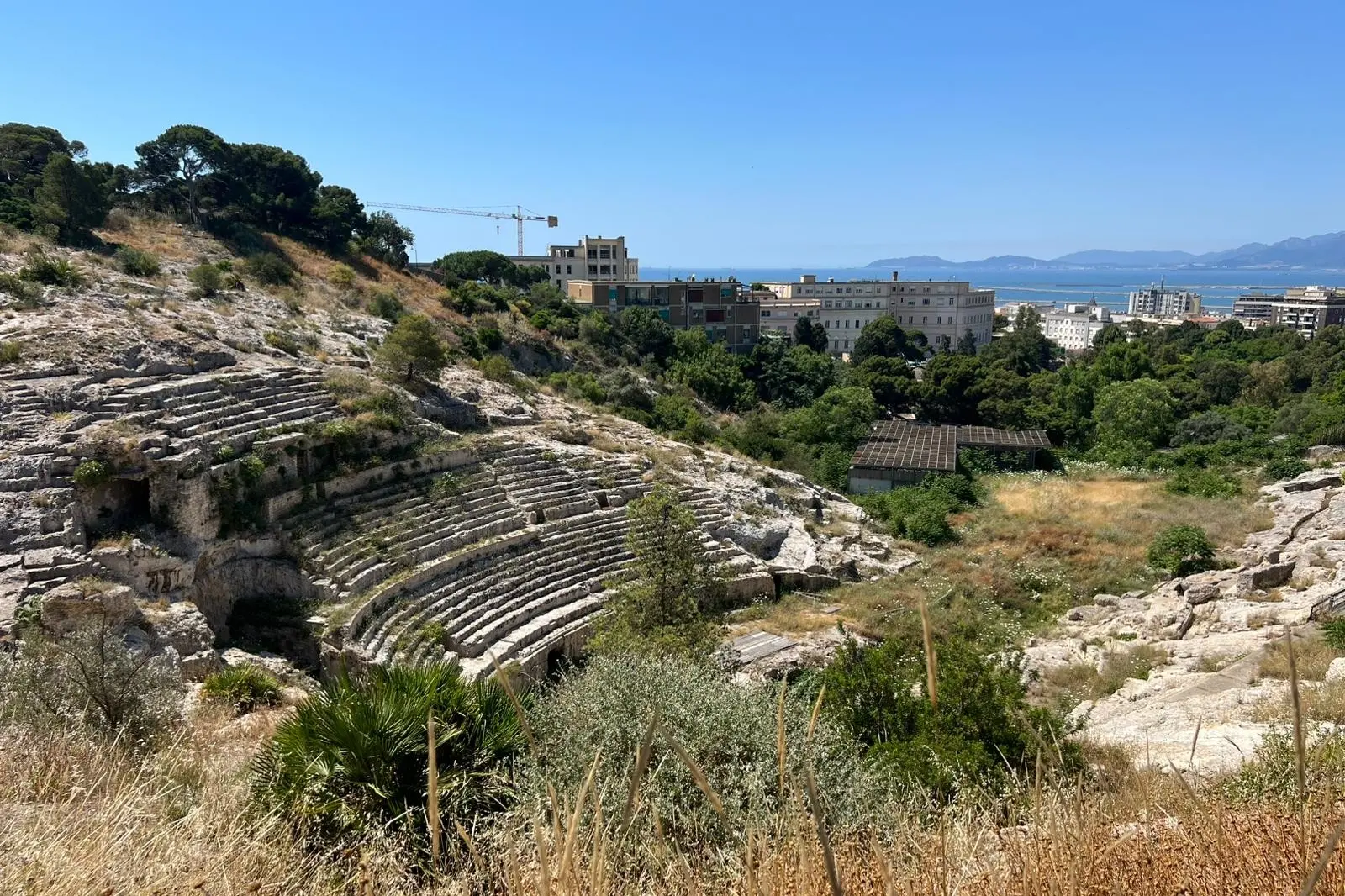
Per restare aggiornato entra nel nostro canale Whatsapp
Formally, this is a "routine" activity, monitoring the state of the art for the protection of historical and cultural heritage. But the political significance of the operation appears different and almost sounds like a scolding to the Municipality, "responsible" for the deterioration of its most important monuments. No one says it openly, but that's precisely the feeling. Yesterday morning, archaeologists from the Superintendency of Archaeology, Fine Arts, and Landscape of Cagliari conducted an inspection of several closed or semi-abandoned cultural sites: the Roman Amphitheater, the Bastion of Santa Caterina, and the archaeological area of Villa di Tigellio. For years, citizens (and, to varying degrees, politicians) have been denouncing a paradoxical situation: Cagliari's iconic monuments are still abandoned or, at least, far from their potential (this applies to the Amphitheater, which can only be visited via a walkway).
Sad notes
Attention is focused primarily on the Roman Amphitheater, one of Sardinia's most important archaeological sites, certainly (along with the Bastion) the most important for Cagliari, where signs of abandonment are evident: weeds on the arena floor, so tall they even hide the barriers placed next to the "caves," and garbage along the fence. Not only that, but everyone continues to enter the Amphitheater, even homeless people seeking refuge. For the Superintendency, which has long called for at least a "light" reopening, one that could revive the Amphitheater while awaiting the €4 million redevelopment project (which will take years to complete), the sight of the Amphitheater, as it appears to anyone who chooses to look out from the fence on Viale Fra Ignazio, is like a punch in the stomach. For at least a year and a half, the city administration and the Superintendency have been working on a project to build a stage lighting system, a refreshment area, restrooms, and, most importantly, a system of walkways that will allow Cagliari residents and tourists to safely visit the monument from the inside, down to the underground section, beneath the first level. Well, of that project, whether due to bureaucracy or the slow pace of the regional administration (which took over a year to allocate the necessary resources), only weeds and decay remain.
Roman era
The situation of the Villa of Tigellio, an extraordinary testament to Roman Cagliari, appears no less delicate. Abandoned and overgrown with weeds and garbage, like the Amphitheater, it shares a fate with the city's most important monument. The goodwill of the last two municipal administrations has prevented its reopening to the public. Last year, the Superintendency, thanks to ministerial funding, requested and obtained the site's cleanup and the removal of the rotting wooden walkway. This seemed to be the green light for reopening, once again a "light" one pending the major million-euro restoration project. But no.
Good news comes from the Bastione di Santa Caterina, which is about to be reopened after 19 years of construction: the flooring has been fixed, all that's left is the final cleaning. This should be a matter of time, perhaps as early as June.
Mauro Madeddu