

Paolo Verri: "Tourism? It's for everyone."
Travelling and learning is not just leisure: it's culture and life.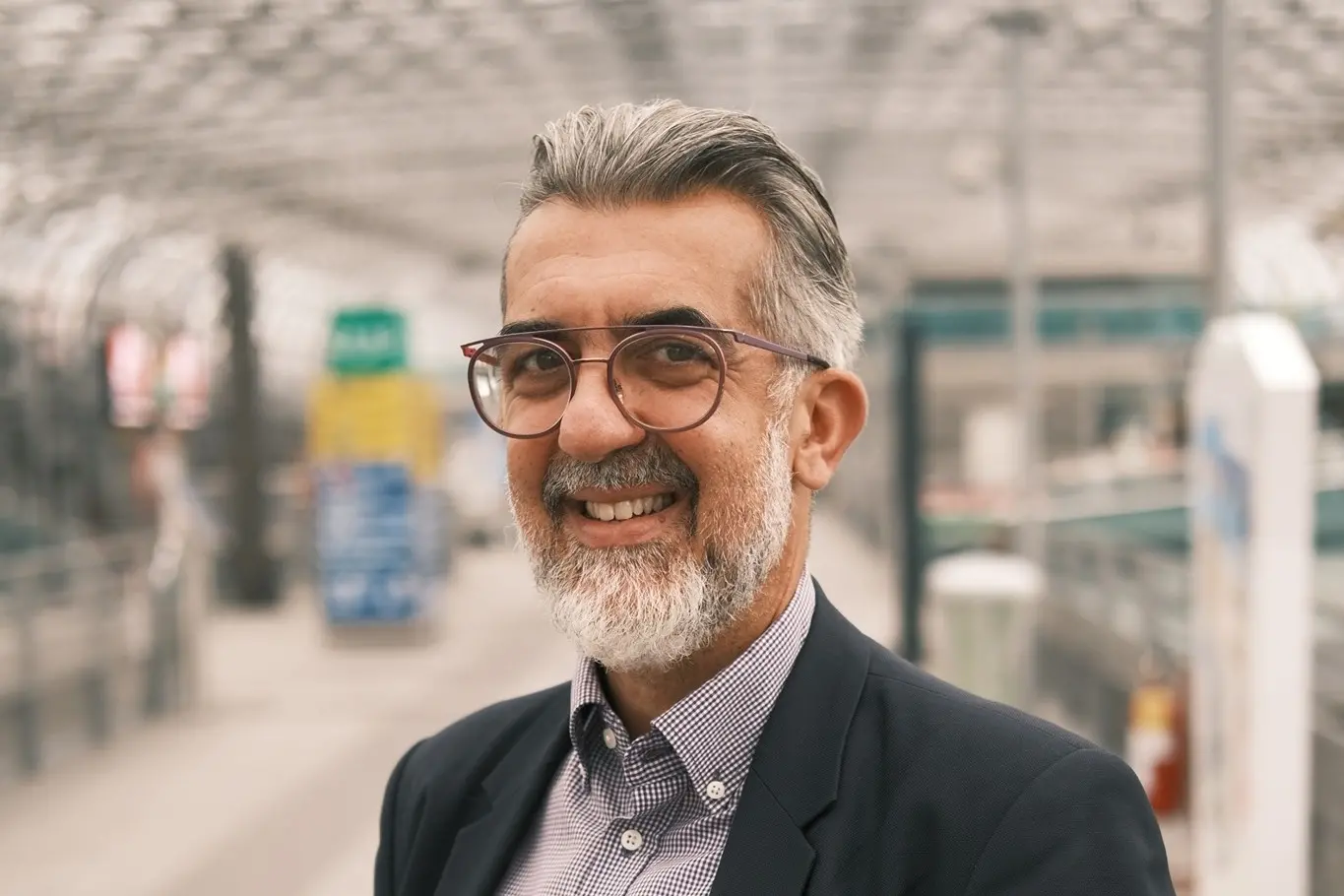
Per restare aggiornato entra nel nostro canale Whatsapp
Too often we reduce tourism to a mere pastime or an economic sector. It is much, much more. Tourism is a complex social ecosystem that reveals the tensions and aspirations of our time. This is what the slim volume More Tourism for All? (Egea, 2025, €17.50, 160 pages. Also available as an ebook) reminds us of. It is co-authored, or rather, “two voices,” by Paolo Verri , director of the Mondadori Foundation, and Edoardo Colombo , one of the leading experts on innovation and digital transformation in tourism.
Why a book with two voices? Because Verri and Colombo engage in a close dialogue that explores the multiple dimensions of contemporary travel: from accessibility to overtourism, from environmental impact to community dynamics. With a more philosophical and cultural perspective, Verri explores the symbolic significance of tourism as a tool for knowledge and personal transformation.
Colombo, attentive to economic and technological aspects, analyzes the opportunities offered by digital innovation and new mobility models . What emerges is a complex narrative that transcends the rhetoric of tourism as mere consumption, restoring its dignity as a social and cultural practice. An intellectual journey that considers how to make the tourist experience more equitable, sustainable, and humane, where technology and relationships can finally integrate.
But are these really possible prospects? And what will the tourism of the future be like? We spoke with one of the book's two authors, Paolo Verri: "If I had to imagine what the tourism of the future will be like, the first thing that comes to mind is that it will arise from close dialogue between citizens . It cannot arise solely through the initiative of the government or other institutions.
Right now, we need to find new rules and agreements within society on many issues, and tourism is one of them. We must start from the assumption that travel won't stop; on the contrary, we'll travel more.
Data shows that in 1975, 225 million people traveled globally for tourism, and in 2025, that number will rise to 1.7 billion. And the number of tourists will continue to increase, often with Italy accounting for half of them. Today, some citizens benefit from tourism, while others consider it a problem. We need to find a way to ensure that the benefits for some citizens don't come at the expense of others.

Do you think we have any tourist models to look up to?
The model of the city of Matera , European Capital of Culture in 2019, is a good example. Tourists had temporary citizenship of the city and didn't feel like mere visitors. It was a way to promote Matera as a welcoming and cultural place and simultaneously engage tourists, making them feel like temporary citizens of the place they're experiencing.
In Paris, the 2024 Olympics have been well-used to make the city not only more welcoming for visitors, but for everyone. An increasingly green, pedestrian-friendly city, easier to live in, and with more services for everyone. Overall, the goal seems to me to be less exclusive and more inclusive cities, accessible 24 hours a day, in a safe and natural way.
How should we understand tourism today?
It's not just entertainment, but a way to learn and better understand the world. It's a phenomenon that can't be stopped, but above all, it shouldn't be stopped because it's a way to thrive on our planet. Nowadays, each of us wants to travel to discover, educate ourselves, and see with our own eyes. It's an attitude that's become intrinsic to contemporary humanity.
And what can we say about tourism in Sardinia, which is sometimes still too tied to the summer season?
The key is to deseasonalize so as to generate year-round profits and continuously repopulate the area. Sardinia is a tremendous treasure that must be made available to everyone, not just the wealthy elite or for a few months a year.
Italy, and Sardinia too, are fortunate to enjoy wonderful average temperatures almost year-round: let's take advantage of this. Today, Sardinia is in the same situation as Catalonia was thirty years ago. It has everything it needs to explode, but it needs a strategic work plan to produce content and job opportunities 365 days a year.