

Better safe than sorry
Climate, floods, droughts, earthquakes: Erasmo D'Angelis and Mauro Grassi reflect on the main emergencies and how to address them.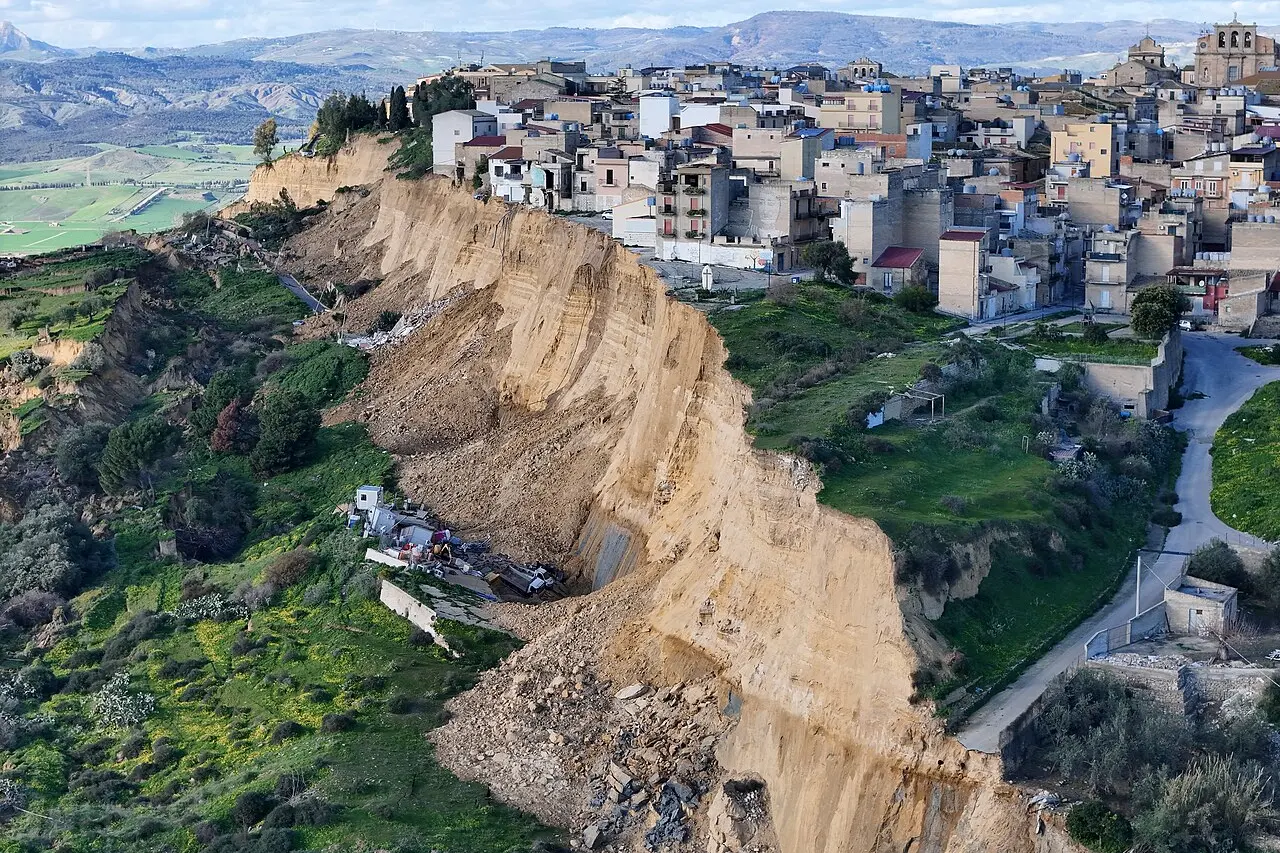
Per restare aggiornato entra nel nostro canale Whatsapp
Italy is now a country in constant emergency situations due to severe weather , and the arrival of each storm brings warnings and announcements that are often overly catastrophic. Sometimes, it seems that we struggle to come to terms with natural phenomena and are unable to meaningfully reflect on how to live with a rapidly changing climate. Indeed, there's no doubt that we are facing extreme weather events more frequently than ever before. Thunderstorms, floods, and windstorms are no longer rare in our latitudes. It's unthinkable, then, to think of addressing the risks associated with even extreme natural events by resorting to the Civil Protection Department every other day.
The essay Fuori dalle emergenze (Il Mulino, 2026, pp. 240, also available as an e-book) by Erasmo D'Angelis and Mauro Grassi, two of Italy's leading experts on infrastructure and civil protection, is dedicated to topics such as this.
The essay begins with some data and insights. Between floods, landslides, earthquakes, heat waves, active volcanic eruptions, devastating weather events with explosive storms, and other disasters, we are a peninsula-like showcase of natural hazards, with casualties and destruction at every turn. In twenty years, we have spent more than €230 billion as a country simply to repair the damage, as if we were constantly at war. On average, nearly €12 billion per year, compared to just €3.8 billion for prevention, especially earthquake prevention.

Climate change is severely testing places and people, but giving in to catastrophism is not the answer. We must begin to prevent risky situations by improving land management to avoid landslides and mudslides and by prohibiting any type of construction in dangerous areas. We must begin again—as was done until a few decades ago—to monitor and manage natural and artificial waterways to avoid flooding as much as possible. We must then try to intervene on buildings and infrastructure to make them suitable for the challenge of atmospheric phenomena capable of severely testing buildings, as well as bridges and roads. We have knowledge and technologies, economic resources, and operational experience at greater levels than ever before. We must leverage these tools to adapt to a changing environment. Of course, land management policies require significant resources, but much can be achieved even with simple local and everyday actions.
Even the "grassroots," that is, us Italians, do too little to monitor and care for the environment. Our grandparents, for example, lived in the countryside and on mountain slopes much more than today and knew full well that they had to care for their surroundings, without the need for laws and regulations to impose it. They knew they had to keep canals clear, monitor landslides, even small ones, and maintain embankments and paths. It was a way to protect themselves from more serious problems in the future. Today, on the other hand, almost all of us live in cities and seem completely unaware that the environment around us is "living" and must be managed. This management can also involve simply reporting problems or abuses to the authorities, or choosing to dedicate hours of volunteer work to serving one's city or town. In South Tyrol, for example, there is an ancient and timeless tradition whereby every town, large or small, has its own volunteer fire station. Local people who monitor and intervene before there are problems, without waiting for the state's pachydermic slowness.
These are the models we all need to look to, instead of spending our time calling for aid, states of emergency, and various resignations when the mud has already submerged us. In short, let's stop managing emergencies and rediscover the ability to organize, plan, and plan for the long term. And above all, let's start from the assumption that Nature cannot be dominated, as has long been thought, by building everywhere, but neither should it be seen as a divine punishment against which we are helpless.
