

Bags, Luggage, and Other Lives: Valentina Giuliani's book explores the courage of those who never give up.
Eighteen stories and as many journeys into the female universe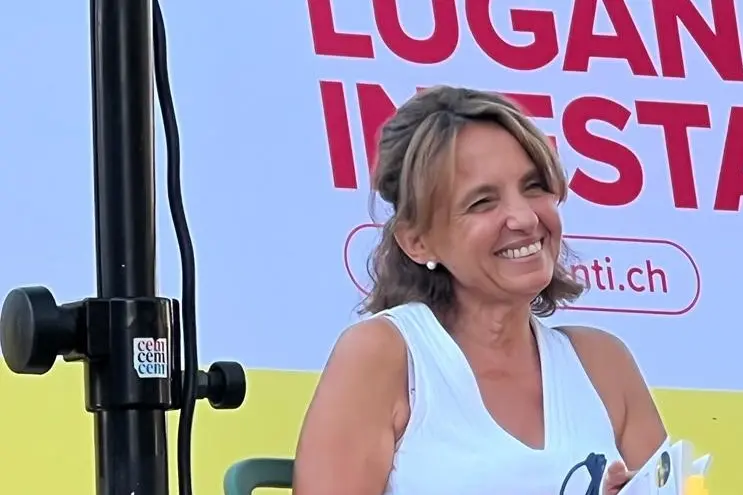
Per restare aggiornato entra nel nostro canale Whatsapp
Eighteen stories, eighteen journeys into the female universe, where bags and accessories become symbols of identity, strength, and intimacy. Each story is a window onto unspoken desires, indelible memories, and silent challenges. This, in a nutshell, is Bags, Luggage, and Other Lives (Dadò Editore, 2025, pp. 120), Valentina Giuliani's latest collection of short stories .
Baskets, suitcases, backpacks, and bags tell the story of not just objects, but entire worlds: the agonizing wait for a wake, an island hiding secrets, a farewell enclosed in a will, a denied motherhood. Thus, the author invites the reader to walk alongside her protagonists, celebrating the infinite nuances of those who never give up.
But how did the idea for the book come about? We asked Valentina Giuliani:
A year ago, I met a young entrepreneur who turned her creativity into a business, combining poetry, aphorisms, mottos, and quotes with bags, crafted by her in a unique and highly original style. I was inspired to explore the feminine world, starting with an object that is the quintessential symbol of femininity. The bags in this book are microcosms of emotions, treasure chests full of secrets and hidden desires, travel maps, dream manifestos, fragments of intimate stories, parallel universes, tales of the soul.

The glue that holds these stories together is the feminine. Is there a different perspective on things related to gender? Can we speak of feminine writing?
«There is a gaze that is mine transposed into stories with female protagonists, inspired by personal and collective experiences, capable of stirring feelings, memories, emotions and reflections that transcend gender and are universal.
I dedicate my latest story, Chunks, to the theme of writing, playfully linked to artificial intelligence. Rather than reflecting on an expressive gender identity, it asks how to create and maintain a unique, original, recognizable style, without passively and uncritically absorbing stylistic devices and images that are part of the common feeling and sound banal, overused, emptied of any authentic and profound meaning.
You love short stories, and this is your fourth collection. Have you ever felt like writing a novel?
Writing short stories allows me to diversify the stories, approaches, places, times, character dynamics, styles, and linguistic registers. In short, it gives me the freedom to move in different contexts and work on the essentials, with a narrative structure that captivates the reader and 'throws them into the story' in a sort of full immersion. The final point arrives with just the right timing, perfectly calculated, never improvised.
I don't think I'll write a novel, but I'm working on a non-fiction book titled German, but Not Too Much. A Language and Ten Reasons to Love It, which will be published next year by ETS. In ten chapters, I dismantle all the prejudices surrounding the study of German, highlighting how this language is simple, fun, musical, capable of expression and feeling, precision and creativity. But that's another story.
A story tied to another of her passions besides writing: foreign languages. This collection features three stories she chose to present in French, German, and Romansh. A unique, if not unusual, choice...
The translations are a tribute to the country I've lived in for ten years now, Switzerland, and are the fruit of a wonderful encounter with authors from different cantons who gathered in Biel for the Bieler Gespräche, an annual event held in February that celebrates linguistic research, translation, and literary production in prose and poetry. There, I had the opportunity to read an unpublished work (which later became part of Borse, valigia e altre vite), piquing the interest of several translators who, approaching the entire collection, decided to translate one story each into their native language. The choice is interesting: Julia Rader, for German, took on L'isola, finding her favorite places in it; Walter Rosselli, for Romansh, translated Paesaggi, which, not coincidentally, is set near the Grisons; and Laurent Vallance, for Biel's unpublished work, Nato morto: in the French translation, it has a melancholic and sweet harshness that makes it one of my favorites.