

All in one hug
Anne Michaels in a novel that becomes a journey through time and feelings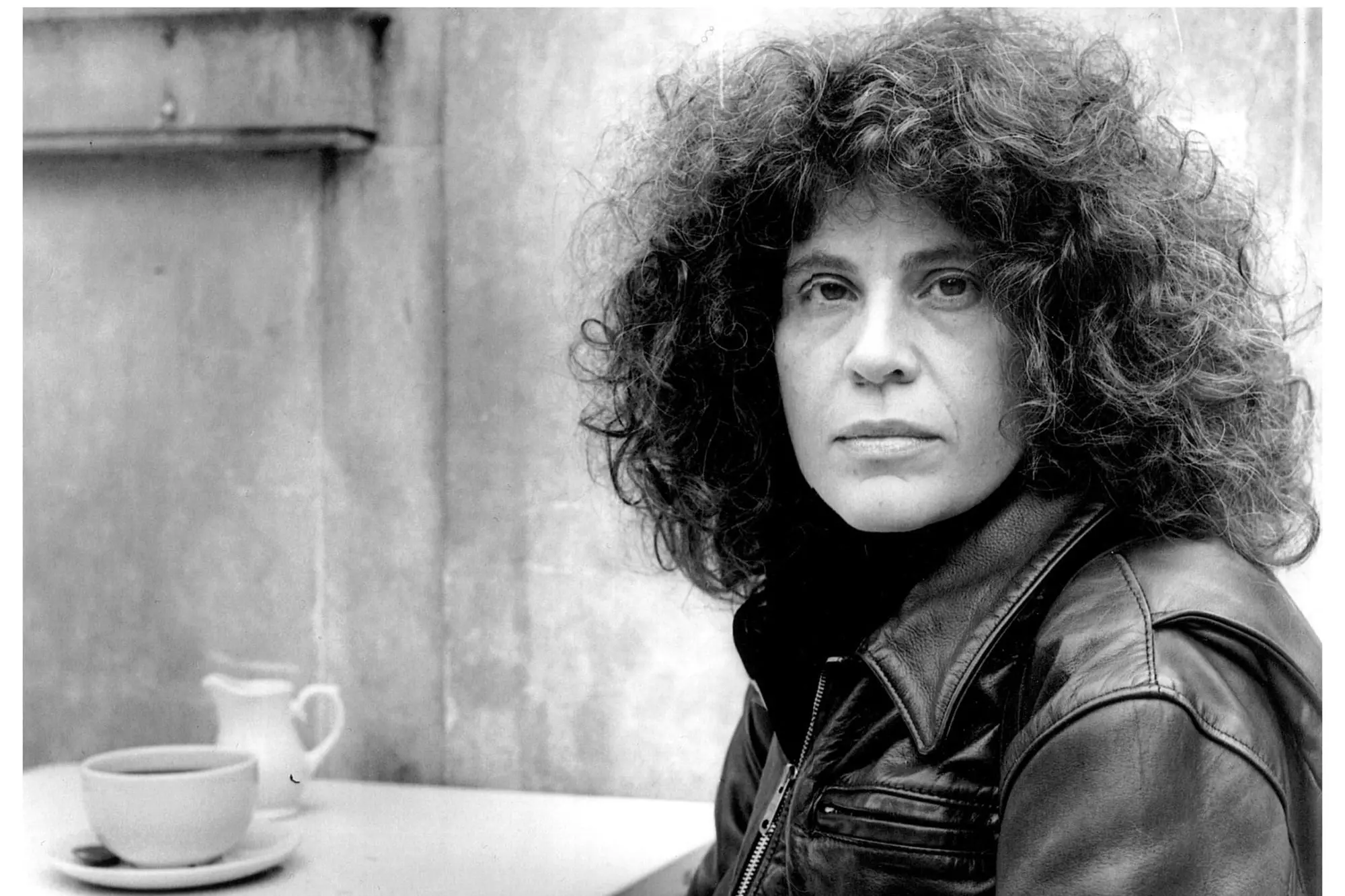
Per restare aggiornato entra nel nostro canale Whatsapp
Anne Michaels began as a poet and became a successful novelist with her novel On the Run (1997), which explores the long shadow of the Holocaust through the intertwined stories of two survivors. Her poetic past clearly emerged in Michaels's writing, where each sentence displayed a brilliant, crystalline luminosity, an extraordinary evocative power that allowed her to move seamlessly between the intimate and the epic, between reality and dream.
These are qualities we found in the Canadian author's latest novel, The Embrace (Bompiani, 2026, €18.00, pp. 240. Also available as an ebook. Translated by Beatrice Gatti), a story that unfolds over a century, from the early twentieth century to the present day.
The first scenes staged by Michaels are set in 1917. John is stunned by an explosion on the battlefield and drifts through memories as snow falls: a chance encounter in a pub near the train, bathing with his lover on a winter's night... Three years later, returning from the war in Yorkshire, he begins working as a photographer again and resumes a nearly normal life, as far as possible, with his partner Helena. But his unrepressed past returns to him through the ghosts that appear in his photographs, bringing him messages he doesn't understand. It is the beginning of a journey through time and space, guided by memories, family, desire, and nostalgia.

In the novel, scenes flow seamlessly from 1902 to 2025. The settings range from a battlefield in World War I France to North Yorkshire, London, Belarus, and various war zones. In each place and time, the author finds opportunities for her characters, and us with them, to reflect on themes such as war, destruction, and tyranny. Other themes that have always been dear to Michaels return: history, memory, the long-term effects of trauma and grief, and the power of love to soothe even the deepest pain. Michaels also continues to draw on the techniques of poetry and the lyrical novel. Her writing is always personal, hypersensitive, and deeply interior.
Michaels works in short, dazzling, instantaneous scenes, collage-like and even hallucinatory. Each paragraph is structured with the same care as a poetic stanza, and the characters are constantly caught in situations that illuminate Michaels' belief that "we are born to face a single moment." Like a snapshot.
Is this a pessimistic novel, then, or perhaps hyperrealist in its pessimism? There's too much humanism in Michaels for this conclusion to be reached. Tyranny, war, and destruction are omnipresent, but so is hope. As one of the book's protagonists says, "nothing infuriates a tyrant more than hope," because nothing can be done against a people who hope, despite violence and prohibitions. Ultimately, it is precisely hope, combined with feelings like kindness and love, that are passed down from generation to generation, despite everything and everyone. And it is kindness and love that allow an embrace to alleviate and perhaps erase even the cruelest tragedy.