

2027 car tax exemption and the economic crisis: when an elephant gives birth to a mouse
The Government's move appears to be a pre-electoral move in view of the next elections which may not be that far away.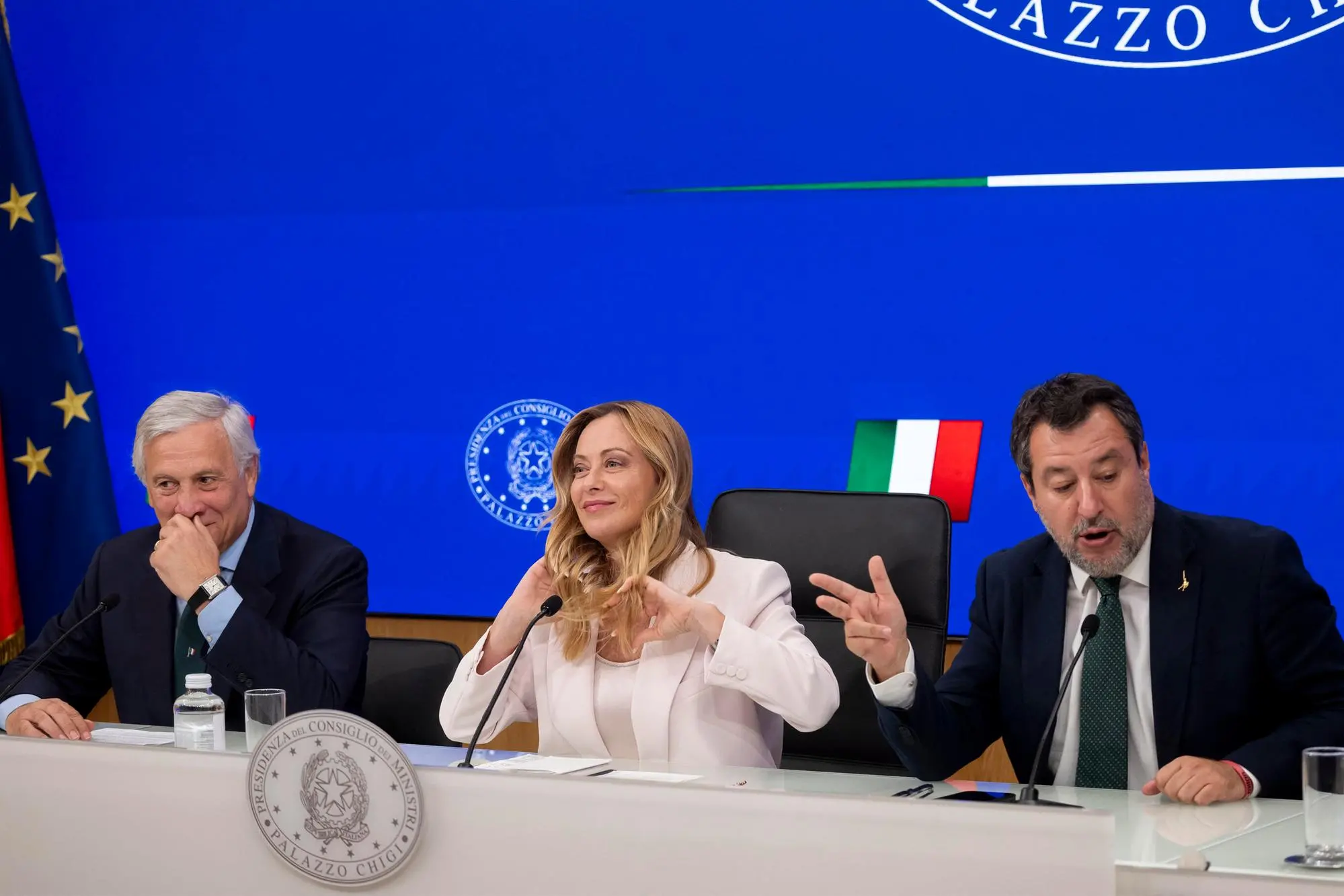
(Handle)
Per restare aggiornato entra nel nostro canale Whatsapp
In short. Even today, we'll talk about it again tomorrow. The Council of Ministers on September 16th recently approved a measure (contained in Legislative Decree No. 162 of September 17th, 2026) that currently provides for a vehicle tax exemption for small and medium-powered cars and motorcycles for the year 2027 only. Specifically, the exemption applies to "natural persons who own petrol, diesel, or hybrid vehicles with a power output not exceeding 80 kW," corresponding to approximately 109 horsepower , and who are properly insured. Therefore, it will be necessary to verify the information on the vehicle registration document under the heading "power in kilowatts." The benefit will also be granted to owners of "motorcycles and mopeds," with no limits on engine size or power, but under one specific condition: each taxpayer may only benefit from the exemption for one vehicle. Therefore, in the event of multiple vehicles registered to the same person, the exemption will automatically apply to the vehicle with the lowest power output . Therefore, all things considered, a road tax, or perhaps more than one, will ultimately have to be paid, given that the vast majority of Italian families very often have at least two small cars (sometimes registered to just one spouse) and perhaps a scooter for the kids. So what? A slap in the face? No, considering it carefully. What Giorgia Meloni's government intends to pass off as an exceptional operation appears to be nothing more than an electoral "idea" with a "Mickey Mouse" effect, considering the actual savings, and probably not even a particularly successful one beyond the initial media impact . It is unclear, nor does it appear to have been clarified, how this measure, which has been postponed in time, and therefore conceived today for tomorrow, if one wishes, could impact the current situation by combating the high fuel prices, for example, which affect the population who travel by road every day for the most diverse needs. This is without considering the concrete risk of the entire operation, which, in effect, appears to be anchored to the potential late transfer of the necessary resources to the Regions. Although they will have to compensate for the loss of revenue associated with the granting of the benefit recently approved by the Government, they could find themselves forced to reduce the quality of services offered, as several experts have noted. Exceptional times, such as the present, require exceptional measures and enormous courage on the part of the legislator to achieve the best common interest. The Government should focus resources on immediate support for energy costs and on reducing the tax burden (perhaps by intervening on the upcoming advance payment of personal income tax), balancing aid with the stability of public debt, but possibly giving priority to the former. The European Union, urged to do so by Italy as well as Germany, Austria, Poland, Portugal, and Spain, has clarified that "taxing the extra profits" of oil companies and energy giants "is the responsibility of the member states," meaning that Giorgia Meloni's government could already take action in that direction, if it wanted. What happened to the promise to abolish excise duties? In short, the measure recently approved by the government seems to have all the flavor of a pre-election gambit in view of the upcoming general election, which may not be that far away . Perhaps Italians will be called to the polls in the near future.
Giuseppina Di Salvatore
