

Ukraine, Russia, and the humanitarian truce: but where is the political outcome?
The evacuation of civilians is a priority, but without concrete diplomatic negotiations and security guarantees the suspension of hostilities risks remaining temporary.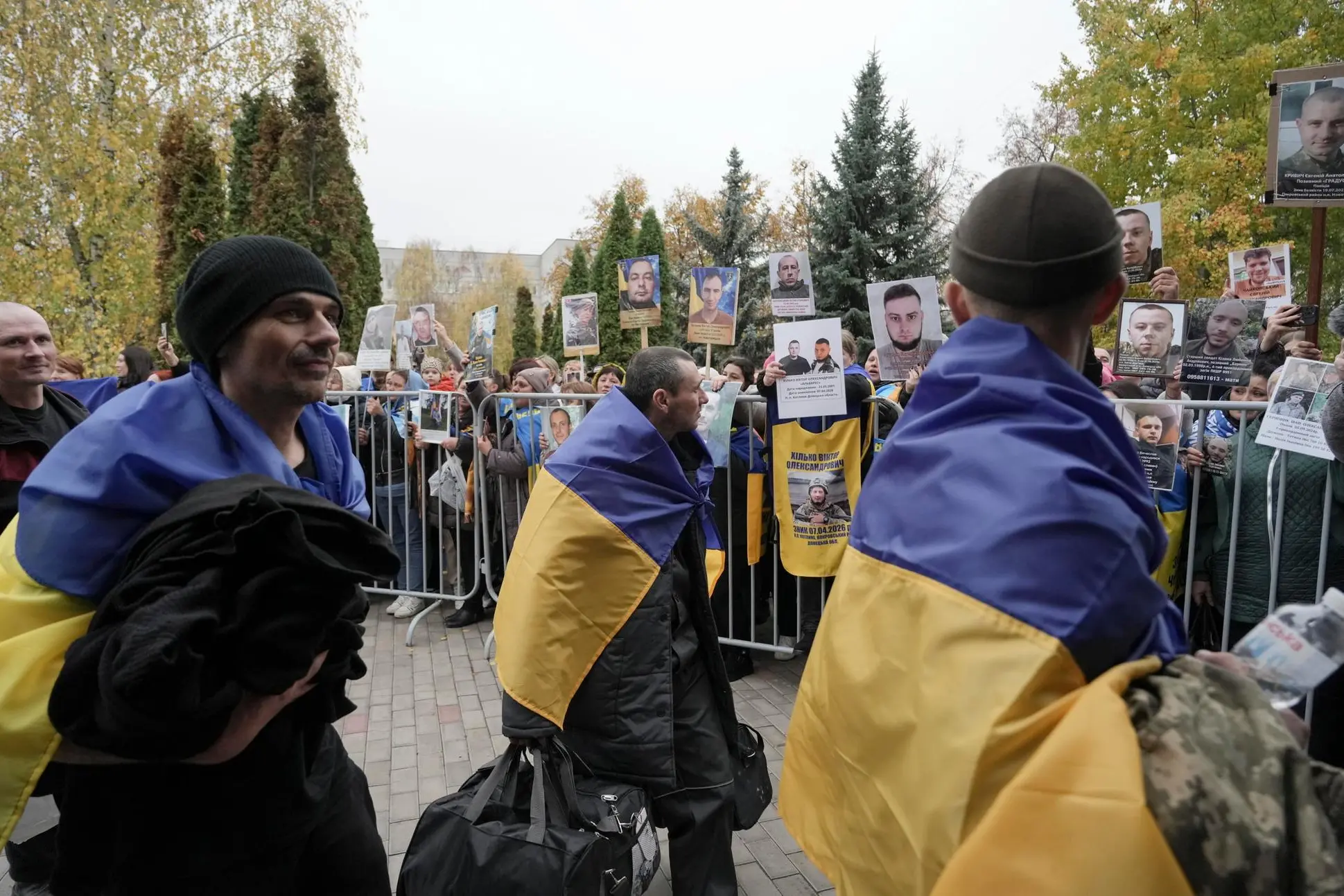
(EPA/STRINGER)
Per restare aggiornato entra nel nostro canale Whatsapp
The White House, through its First Lady, announced a ceasefire in Oleshky, in the Kherson region, to allow for the evacuation of civilians. No question: the news, indeed, famously comes about a week after the heartfelt appeal of Pope Leo XIV, who, while hospitalized at the Gemelli hospital, had a telephone conversation with Russian President Vladimir Putin, during which he emphasized the humanitarian emergency in the city in the Kherson region. Leo XIV himself then contacted Ukrainian President Volodymyr Zelensky, raising awareness of the dramatic situation in Oleshky and stressing the urgency of reaching an agreement to coordinate a truce.
But can such a humanitarian truce, considered in itself, really be considered sufficient? The question likely leads to a negative answer, since a humanitarian truce, to be truly effective in the long term, should be conceived as a bridge/opportunity towards a broad and shared diplomatic peace process, and not merely, as it might seem, as a temporary suspension of hostilities. Let's be clear. Certainly, the protection of civilians and access to relief are a necessary priority, but without a concrete political outcome—and in this case, there appears to be none—humanitarian pauses risk becoming mere strategic interruptions used by the parties to rearm. In essence, and to put it more clearly, what remains conspicuously absent is the opening of a process aimed at fostering diplomatic negotiations that would finally take the initiative to address the root and systemic causes of the conflict in order to reach a resolution.
While it's true that Volodymyr Zelensky does not want any further territorial concessions, it's equally true that this "closure" continues to represent the crucial point separating Kiev and Moscow. The territorial issue remains crucial. Freezing the conflict along the current front lines could be considered by Ukraine, which, however, has no intention of ceding further territory to Russia. Donbas remains the so-called "apple of discord." Meanwhile, an initial assessment of the current situation can be made in terms of potential compliance by both sides with the announced truce: compliance which, all things considered, represents the key element in assessing the good faith of the contenders necessary to establish the desired and anticipated diplomatic dialogue, without which a definitive ceasefire will evidently not be possible.
Perhaps to put it differently and as clearly as possible: the truce has been announced, but it will likely be limited in time. Once its deadline expires, is there even a prospect of an agreement aimed at ending the conflict? Without an efficient diplomatic channel, with mediators accredited and credible on both sides of the conflict, any initiative toward peace will be thwarted. By way of example, and certainly not exhaustively. If Ukraine, which is currently not a member of the European Union, requires extensive protections to avert the risk of further aggression, the European Union, for its part, must undoubtedly redesign its security system. If, however, the most critical issue in the entire affair remains the occupied territories, then the international diplomatic forum (without which everything appears futile and illusory), and it alone, must identify the mechanisms for the future management of the disputed areas.
So, while the humanitarian truce is welcome, without a serious and concrete plan for lasting peace, its political and historical effectiveness risks being marginalized.
Giuseppina Di Salvatore