


Scottish Fold and Sphynx cat trade banned in the Netherlands from January 1st
The two breeds, among the most famous and flaunted on social media, are believed to be the result of extreme genetic selection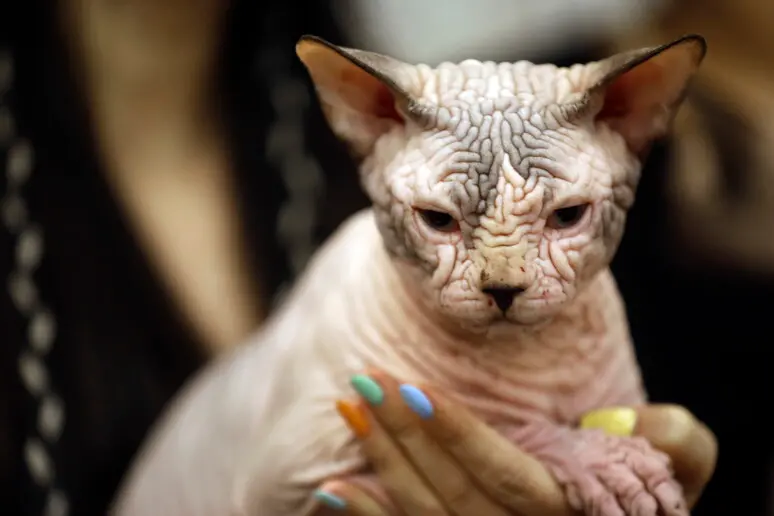
Per restare aggiornato entra nel nostro canale Whatsapp
Scottish Folds and Sphynxes banned in the Netherlands . The two cat breeds, among the most famous and flaunted on social media, will no longer be available for purchase in the country starting January 1, 2026. The turning point comes with a new law protecting animal welfare that bans the trade of these animals, deemed the result of extreme and harmful genetic selection. The measure, published in the Dutch Official Gazette at the end of October, is now fully effective. In reality, this isn't entirely new: breeding these two breeds had already been banned for some time, but purchasing them from foreign countries remained permitted. This loophole has now been definitively closed. However, the law does not have retroactive effect: anyone who already owns a Scottish Fold or Sphynx will be able to continue keeping them , but will have to register them, microchip them, and declare their ownership to the competent authorities.
But what makes these cats so desirable yet so vulnerable? In the case of Scottish Folds, their distinctive trait—folded ears—is linked to a genetic mutation that can cause serious conditions: nostrils often reduced to a slit, abnormal bone growth, joint deformities, and nails that tend to grow into the pads. There are also other problems that can affect vital organs such as the liver and heart. Sphynxes, famous for their lack of hair, pay a high price for this very trait. Their skin, covered only by a fine down, makes them particularly susceptible to sunburn and skin cancer . The absence of hair in the ear canals facilitates the accumulation of dirt and impurities, increasing the risk of infection. Thermoregulation is also a constant problem: without a protective coat, these cats lose more body heat than other felines.
Beautiful, iconic, but extremely fragile and in need of constant care . Scottish Folds and Sphynxes, however, are not isolated cases. Numerous animals—including dogs—are the result of genetic selection that prioritizes aesthetics over health. A prime example is brachycephalic dogs , with their flat faces and rounded skulls, often forced to live with severe breathing difficulties throughout their lives. This decision, adopted by the Netherlands, reignites the debate on the boundary between love for animals and the exploitation of aesthetics, and could serve as a model for the rest of Europe.
(Unioneonline/vf)