

"USA Short on Patriots": Trump Suspends Gulf Escalation, Strait of Hormuz Negotiations Underway
Tehran is ready to "resume talks." Bibi tells the tycoon: "The decision is his."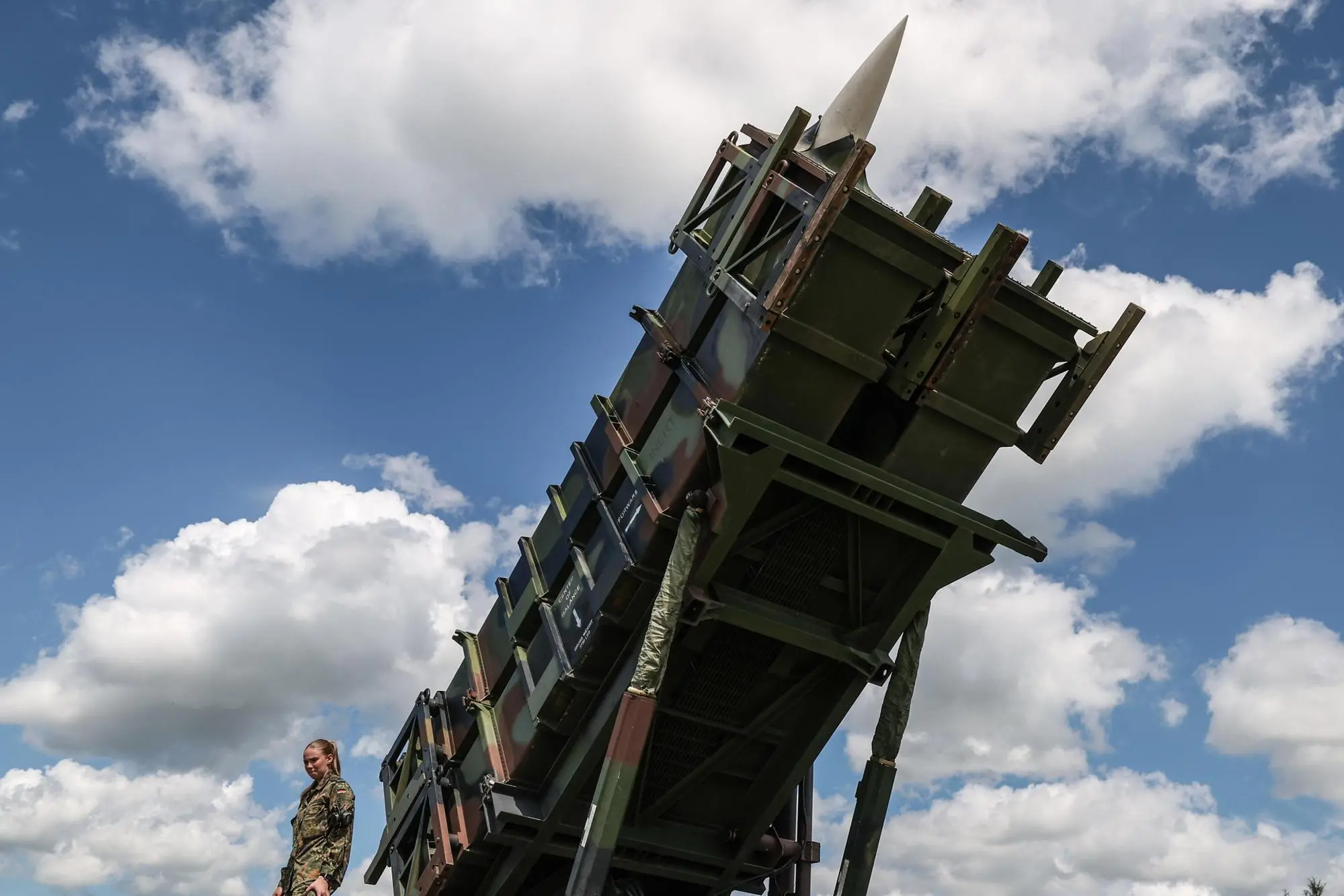
Per restare aggiornato entra nel nostro canale Whatsapp
Donald Trump postponed " significant escalation " against Iran, partly due to the shortage of Patriot munitions and interceptors against Tehran's increasingly insidious and dangerous missiles. The decision, which emerged from the US president's meeting on Friday with key advisers and senior members of the administration, triggered a ceasefire in attacks for the second day in a row, amid reported "good" progress in negotiations between Tehran and mediators in the Strait of Hormuz. Iran has communicated to Pakistan its willingness to continue talks in Geneva, Doha, or Islamabad, agreeing—as a further sign of "good will"—to halt retaliation for US attacks.
" Mediators are working to try to prevent an escalation of tensions ," Iranian Foreign Ministry spokesman Esmail Baghaei said at a press conference. Trump, in turn, is "giving space to talks: he's leaving some leeway for diplomacy," noted US Ambassador to the UN Mike Waltz, assuring that the US is "locked and loaded" for further attacks, having transferred additional military resources to the region. Waltz, speaking to Fox News, denied that America is rationing ammunition and Patriot missiles due to supply problems: "The people who spread this nonsense deserve to go to prison," he attacked.
The tycoon's turnaround, according to various reports by the New York Times and CNN, stemmed from warnings from Vice President J.D. Vance and Dan Caine, the chairman of the Joint Chiefs of Staff, regarding the risks of a new military surge against Iran during their meeting in the Oval Office on Friday. Caine emphasized that, even if possible, fighting would "dangerously" exhaust the interceptors available to CENTCOM, including Patriot missiles and offensive weapons like Tomahawk cruise missiles. Vance, on the other hand, based his election campaign on opposition to American military intervention in the Middle East and increasingly expressed his opposition to a war against Iran, personally risking his life—at the risk of jeopardizing his chances in the 2028 presidential election —by signing the ceasefire negotiated with Iran, which subsequently foundered. Furthermore, the Gulf states are tired of a conflict now in its fifth month and would like to end it, even though there is no unified vision for a solution: further prolongation could cost the US the loss of valuable regional allies.
Trump then ordered military leaders to halt further attacks, reiterating his "locked and loaded" warning, even specifying at the White House Correspondents' Dinner on Friday evening that he didn't believe Iran was ready to reach an agreement, but "was willing to listen." Meanwhile, another very busy week looms: Israeli Prime Minister Benjamin Netanyahu will fly to the US and meet Trump at the White House on Tuesday, and London is preparing to host the first meeting of the coalition for the unconditional opening of Hormuz , according to rumors. Netanyahu told Fox News that, in the Oval Office, he will seize "the opportunity to engage with our great friend, President Trump, and listen to his intentions. I believe, in many respects, the decision is his."
(Unioneonline)