

El Niño alert in Central America puts five million at risk of starvation.
Food crisis in Guatemala and Honduras amid drought and poverty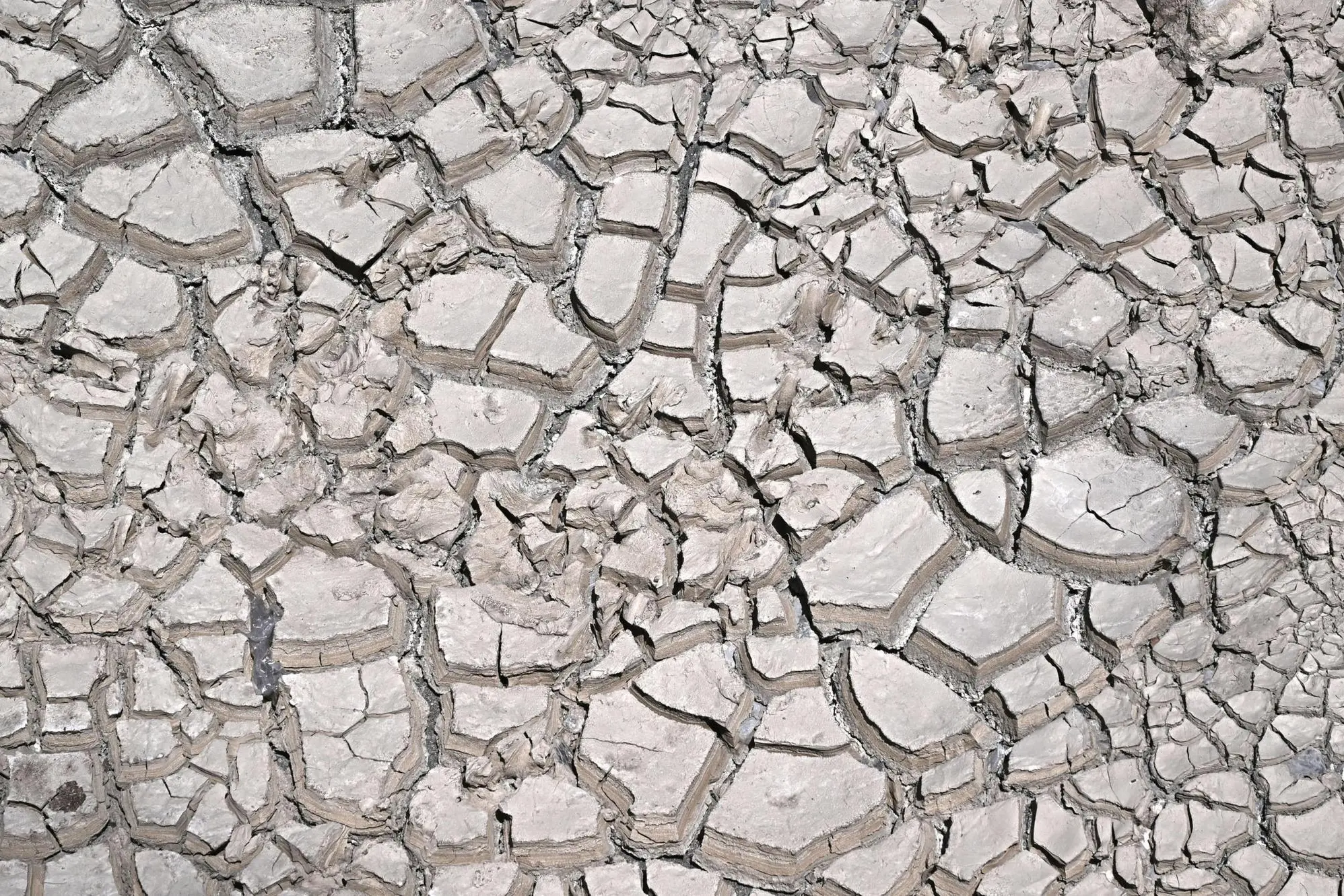
Per restare aggiornato entra nel nostro canale Whatsapp
At least five million people face the threat of food insecurity in Guatemala and Honduras due to climate factors, poverty, and low agricultural productivity.
The Guatemalan government has announced that the effects of El Niño will leave 17% of the population, or approximately 3.2 million people, in a state of acute food insecurity in the third quarter of 2026.
The lack of rain has reduced corn and bean reserves to a minimum, severely impacting nine departments in the Dry Corridor and Alta Verapaz, where the crisis affects more than 28% of residents.
The situation is also critical in Honduras , where around 1.8 million people are facing the emergency, with forecasts indicating an increase to 2.2 million by the end of 2026.
The Food and Nutrition Security Observatory of the National Autonomous University of Honduras has specified that the shortage "is structural, not cyclical" and affects a country with 6.4 million poor people.
Expert Christian Manzanares explained that the crisis stems from a series of "shocks accumulated over recent years," including the Covid-19 pandemic, extreme weather events, international price increases, and heavy dependence on foreign countries.