

Woody Allen turns 90
In his latest biography, Mario Mucciarelli talks about the films, loves and neuroses of the great American director.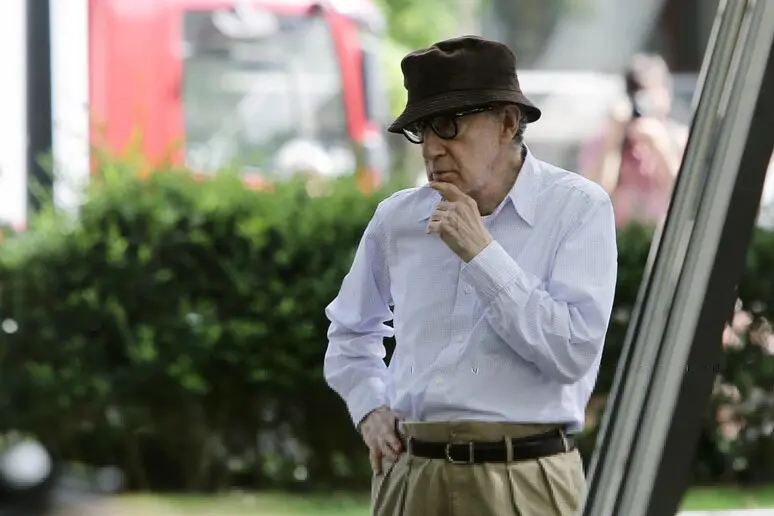
Per restare aggiornato entra nel nostro canale Whatsapp
"I'm not afraid of death, I just wish I wasn't there when it happens"... this joke contains a lot of Woody Allen, one of the great protagonists of American cinema and culture (and beyond) for over half a century.
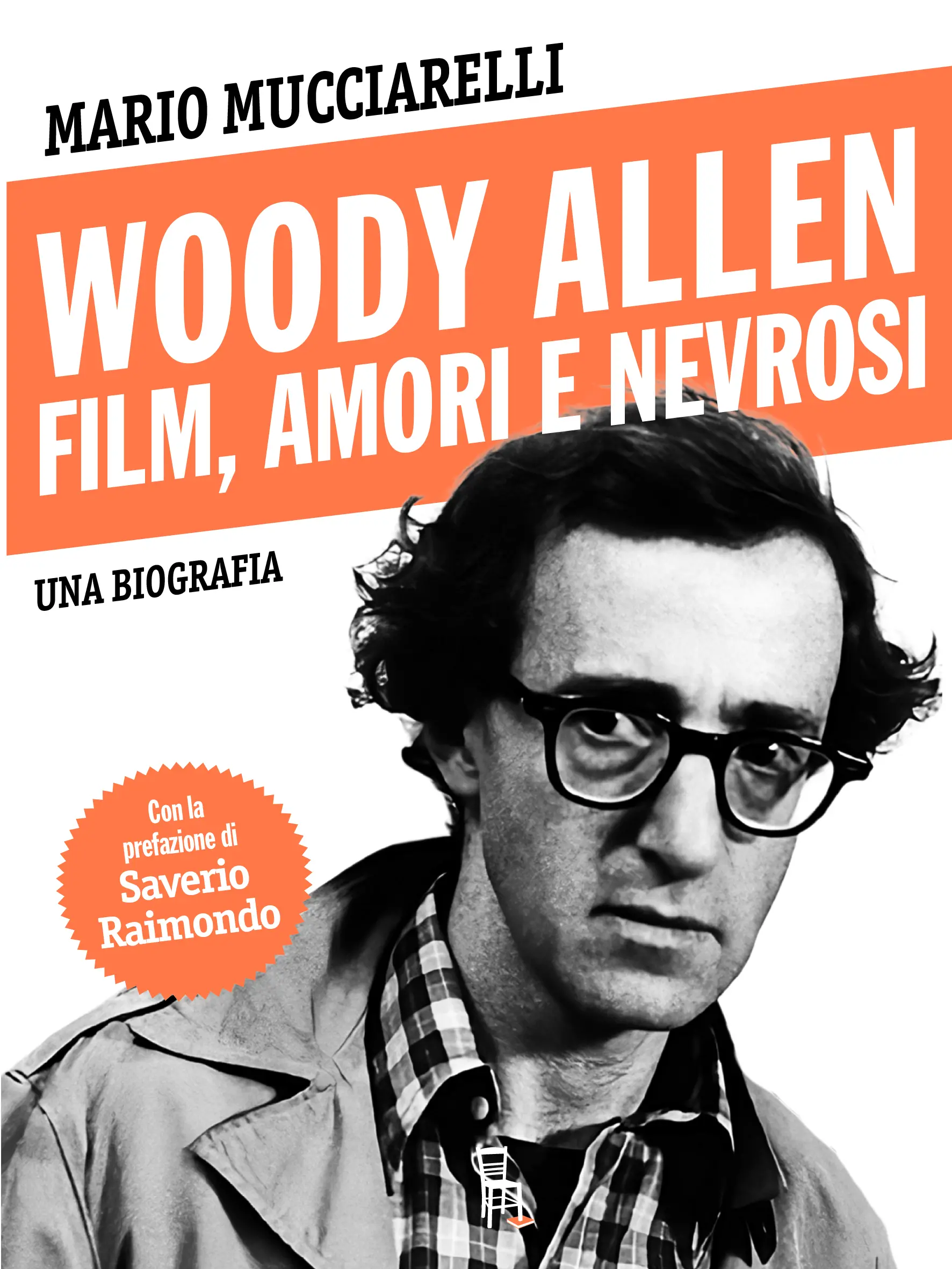
A protagonist to whom Mario Mucciarelli—author, screenwriter, and film scholar—has dedicated a biography that reads like a novel: Woody Allen. Film, Loves and Neuroses (Sagoma Editore, 2025, €28.00, 464 pages). In this volume, Mucciarelli combines the rigor of the historian with the lightness of the writer to bring readers back to the life, passions, and shadows of one of the most prolific and complex directors of American cinema.
Step by step, we follow the far-from-simple path of an ordinary Brooklyn boy who preferred cinema to reality, comics to school, and girls to everything else. A journey that will lead him to become first a comedian, then an actor, playwright, director, and finally the object of a true cult.
But what are the elements that make Allen a unique author? We asked Mario Mucciarelli directly:
Woody Allen began working in show business in the 1950s, and today there's talk of his return to directing, with a new European film. But the point is that Allen has been creative, interesting, and influential, in different ways, throughout the decades he spanned. It's difficult to make comparisons.
What innovations did he bring to comedy?
Woody was never a groundbreaking comedian. He identified with previous models, from Bob Hope to the Marx Brothers. When he was a comedian in clubs in the 1950s and 1960s, he certainly had a style that was considered, if not innovative, at least very modern at the time. However, his very persona—clumsy, neurotic, obsessed with women, unlucky, but also brilliant and quick—was probably the element that was perceived and received most as innovative.
And in the cinema?
"Probably the film that has been perceived as most innovative is 1977's Annie Hall, in which Allen blended pure comedy and sentimental comedy, New Cinema stylistic elements and mainstream storytelling, humor and melancholy. An innovation, therefore, more of substance than form."
What are his most important films?
“Let's try to point out some key milestones: Take the Money and Run (1969), because it was his debut. Then Annie Hall, which marked the turning point towards psychological comedy. And in the years that immediately followed: Interiors (1978), his first dramatic film; Manhattan (1979), perhaps his most personal and fascinating film; Stardust Memories (1980), his most thoughtful and challenging film. In the 1980s, we can take Crimes and Misdemeanors (1989) as his most adult, complete, and moral work, in complete contrast with American cinema of the period. And we could cite Match Point (2005) as his last great departure, his exit from American productions, and a huge public success with a truly ruthless film.”
Which one are you closest to?
“To a film that isn't on the list above: Broadway Danny Rose, from 1984. A small film shot in beautiful black and white. It's one of Woody's most human and delicate films, and it's poignantly melancholy. And it's also very funny.”
But in the end, who is Woody Allen?
I think Allen is above all a writer. And then an ambitious and courageous person (at least professionally), and very reserved. A very controlled, solitary man, born with this strange talent for making people laugh. But talent isn't enough. In the book, I started with this very question: how was it possible that a solitary, unattractive boy, a congenital pessimist, born into an ordinary Jewish family, became the funniest man of the twentieth century? By recounting his life, I tried to identify the stages of this journey. Woody was fortunate enough to have talent and a few important encounters, but otherwise, nothing was predictable.
