


War also destroys the environment
Stefania Divertito reconstructs the military ecocide that is destroying the Earth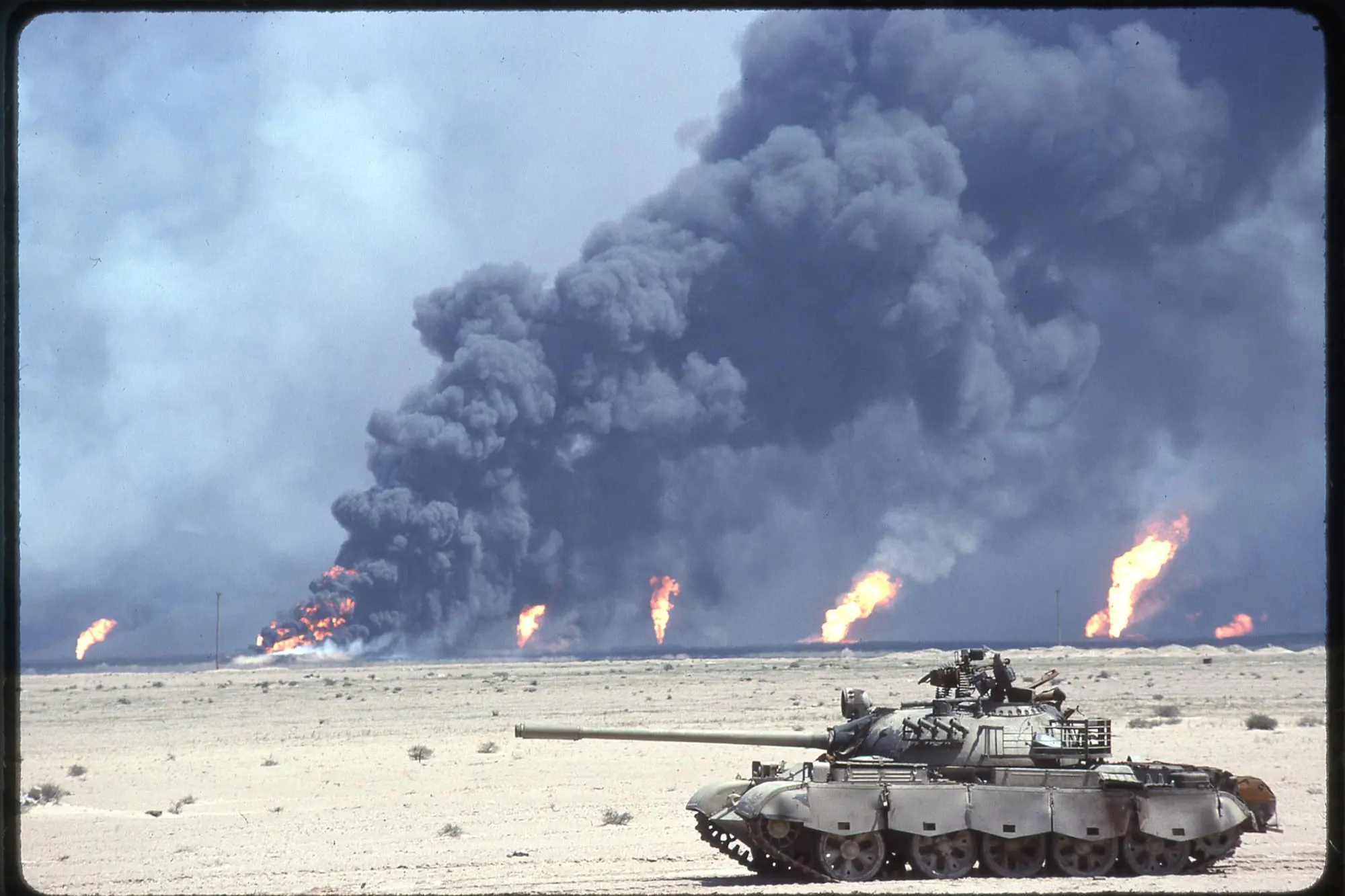
Per restare aggiornato entra nel nostro canale Whatsapp
War has always meant death and destruction, and this is sadly well known. However, there is a less visible aspect of war, one that is nonetheless capable of causing suffering for many generations: the effects it has for decades—if not centuries—on the land we cultivate, the water we drink, the animals that surround us, and the vegetation that allows us to breathe. A terrible example of this was the First World War. That conflict demonstrated how, thanks to technological and scientific advances and the productive capabilities of modern industry, humanity now possessed technologies and weaponry capable of having devastating, long-lasting effects on natural environments. Indeed, the ecosystems affected by the war fronts were completely disrupted by the fury of battle. On the front lines, artillery fire, fire, and the use of chemical weapons completely wiped out the existing flora and fauna.
To give just one example, on the Western Front, where the Anglo-French and German forces were fighting, 3,500 square kilometers of forest were felled during the war years—during operations and to supply the trenches with wood—an area larger than the entire Aosta Valley. It then took over sixty years for the deforested areas to recover their original vegetation. Between 1914 and 1918, approximately one billion artillery shells of all types were fired, equivalent to approximately 15 million tons of metals, explosives, and other materials such as arsenic and its compounds, essential for chemical weapons. The environment was thus invaded by highly polluting substances that persist in the environment for a long time because they are not biodegradable. In some areas of the Western Front, such as the Somme or near Verdun, the land was completely submerged in war material and impregnated with chemical compounds. After the war, a costly mine-clearing effort, the recovery of war remnants, and land reclamation efforts were launched. In some areas of northeastern France, the level of devastation was such that the French government decided to create the Zone Rouge (Red Zone), 1,200 square kilometers of land so polluted that it could no longer be inhabited or cultivated. Land reclamation efforts in these areas have continued unabated since 1918, and even today, approximately 30 tons of metal and unexploded ordnance are recovered each year (2% of which are chemical bombs). The majority of plant species present before the war have not yet reappeared in the Red Zone, which, according to experts, will only recover its original characteristics in seven hundred years.

This is the legacy of the Great War we still live with today, but it's just one of the major environmental disasters caused by conflicts described in the book Guerra e Clima (Il Saggiatore, 2026, pp. 240) by Stefania Divertito, an investigative journalist specializing in environmental issues. Guerra e Clima explores and chronicles the long-term environmental impact of conflicts and the initiatives implemented to address them. It's a reportage that spans eras and continents to get to the heart of an issue that has been ignored for too long: from the Verdun plain to Gaza, where bombs and toxic debris destroyed 97% of crops; from the black rain that fell on Tehran in March 2026 to research measuring the environmental and climate damage of conflicts, to the accusation of "ecocide" brought by the Kiev prosecutor's office and the clean-up and compensation programs aimed at pursuing global "climate disarmament."
What emerges from Divertito's book is that wars leave behind not only hatred and division, rubble and death. They release their waste in a thousand rivulets, which are then difficult to "clean up" and "recover." The Syrian conflict, which began in 2011 and ended recently, has left behind a veritable environmental disaster. Many Syrians have been forced to leave their homes and have found refuge in makeshift refugee camps that have sprung up on the Mediterranean coast. This situation has led to the dumping of thousands of tons of waste into the sea, making that stretch of water one of the most polluted in the world. An even more significant example comes from the data relating to the presence of anti-personnel mines globally. These are devices abandoned in conflicts over the last fifty years in countries such as Afghanistan, Egypt, Cambodia, Kuwait, and Bosnia-Herzegovina. We're talking about one hundred million mines that, with current technology, will only take a thousand years to eliminate! In short, as Divertito writes, "war doesn't end when it ends; it kills immediately, but it continues to do so in the future, poisoning the soil, the water, and future generations. A detonator placed in the future." A detonator that only we can try to defuse.
