

Fuel prices skyrocket, Sardinia's case moves to Rome
From the closed Strait of Hormuz to the Eurotax on CO2 emissions: so far, there's nothing concrete to stop the bloodbath on goods and people. Politicians are divided.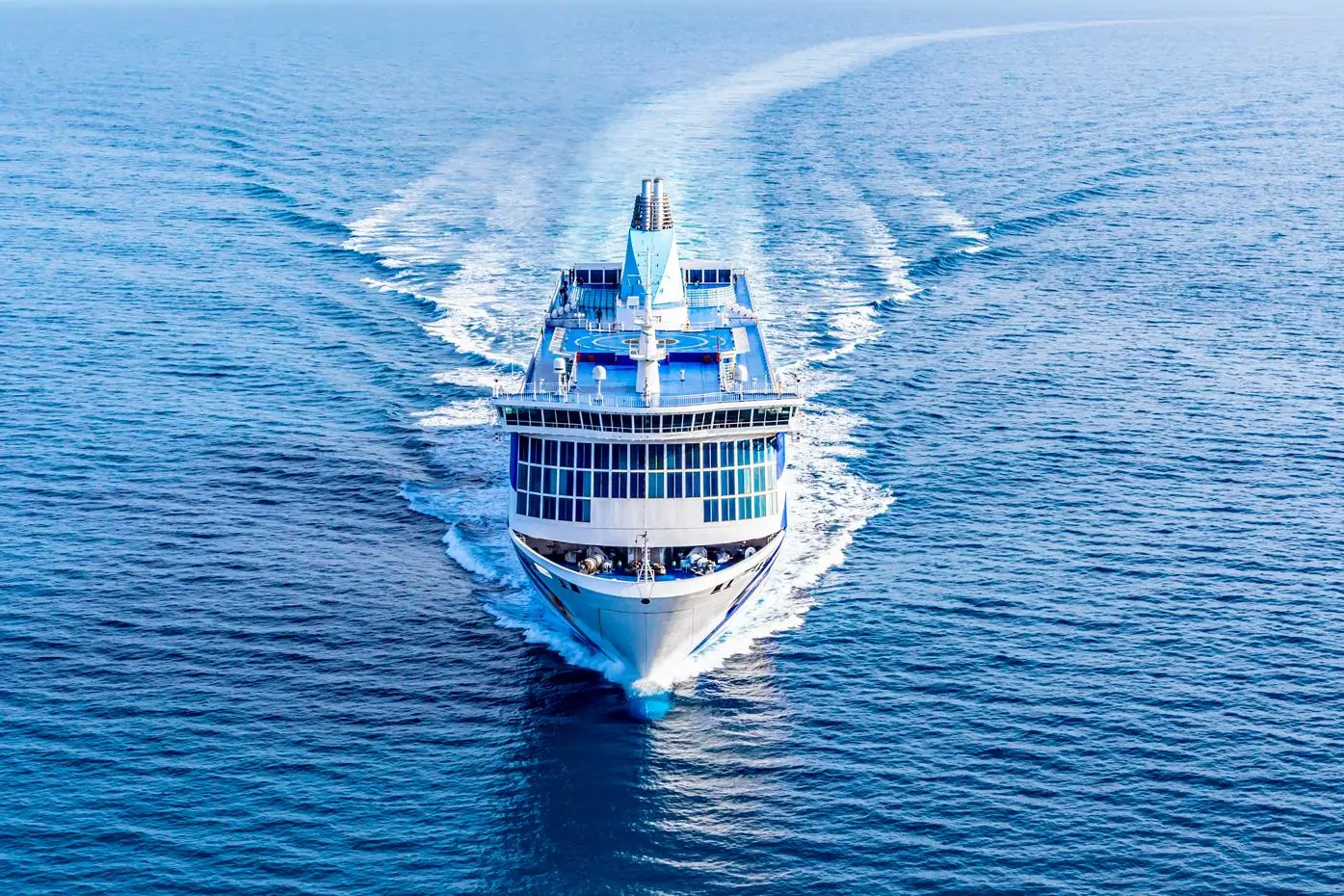
A ferry at sea
Per restare aggiornato entra nel nostro canale Whatsapp
Now that the problems have compounded, dragging past delays into the complex global situation, a case has arisen regarding Sardinia's air and sea connections.
The situation is worrying: for goods, and therefore for sea transport, there is no territorial continuity on the island at regulated rates, and for the few places that truckers manage to find by ship in the summer, they must pay through the nose due to the impact of the ETS, the Eurotax on CO2 emissions. On the air front, with Hormuz closed again, the high fuel prices threaten to force the Region to make an unprecedented outlay to guarantee Sardinians' right to mobility.
The game has been played out for a while in Rome, but political and cross-examination are marking time. Brussels, in an attempt to halt climate change, has decided that once a certain level of CO2 emissions is exceeded, they must be paid for. In theory, shipping companies must pay for them; in practice, the increased costs are passed on to passengers. In practice, so far, there's nothing to stop the bloodbath on goods and people.