Towards the drama of the Great War
In Barbara Tuchman's historical essay, the splendors and contradictions of the Belle Époque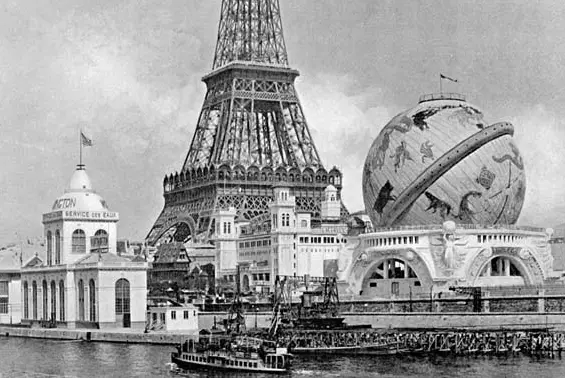
Per restare aggiornato entra nel nostro canale Whatsapp
The era we live in is often compared to the decades between the late 19th and early 20th centuries, a period known to history as the rather romantic Belle Époque. And what was the "Belle Époque," to use an Italian definition? An era of prosperity and progress, reserved, however, only for the upper classes of Europe and the United States, a myth that concealed increasingly strong social and international tensions that would eventually erupt in the First World War. Looking back a century later, the men and women of the Belle Époque bear an uncanny resemblance to the musicians of the Titanic's orchestra who continued to play waltzes as the ocean liner sank.
Naturally, our reconstruction is simplistic, based on what was written after the end of the First World War, when the decades preceding the conflict seemed idyllic to many, though they never were. Hence the idea of a "Belle Epoque" swept away by weapons and trenches. And then many similarities between that distant era and our own are anachronistic exaggerations. Or are they? Or are there connections between the Belle Époque and our own time, connections that are, however, more unexpected than those we imagine? To find out, the best tool is the splendid historical essay Tramonto di un'epoca (Neri Pozza, 2026, €30.00, 576 pages. Also available as an ebook. Translated by Marilena Damiani) written by one of the great writers of twentieth-century historical narrative, Barbara Tuchman.
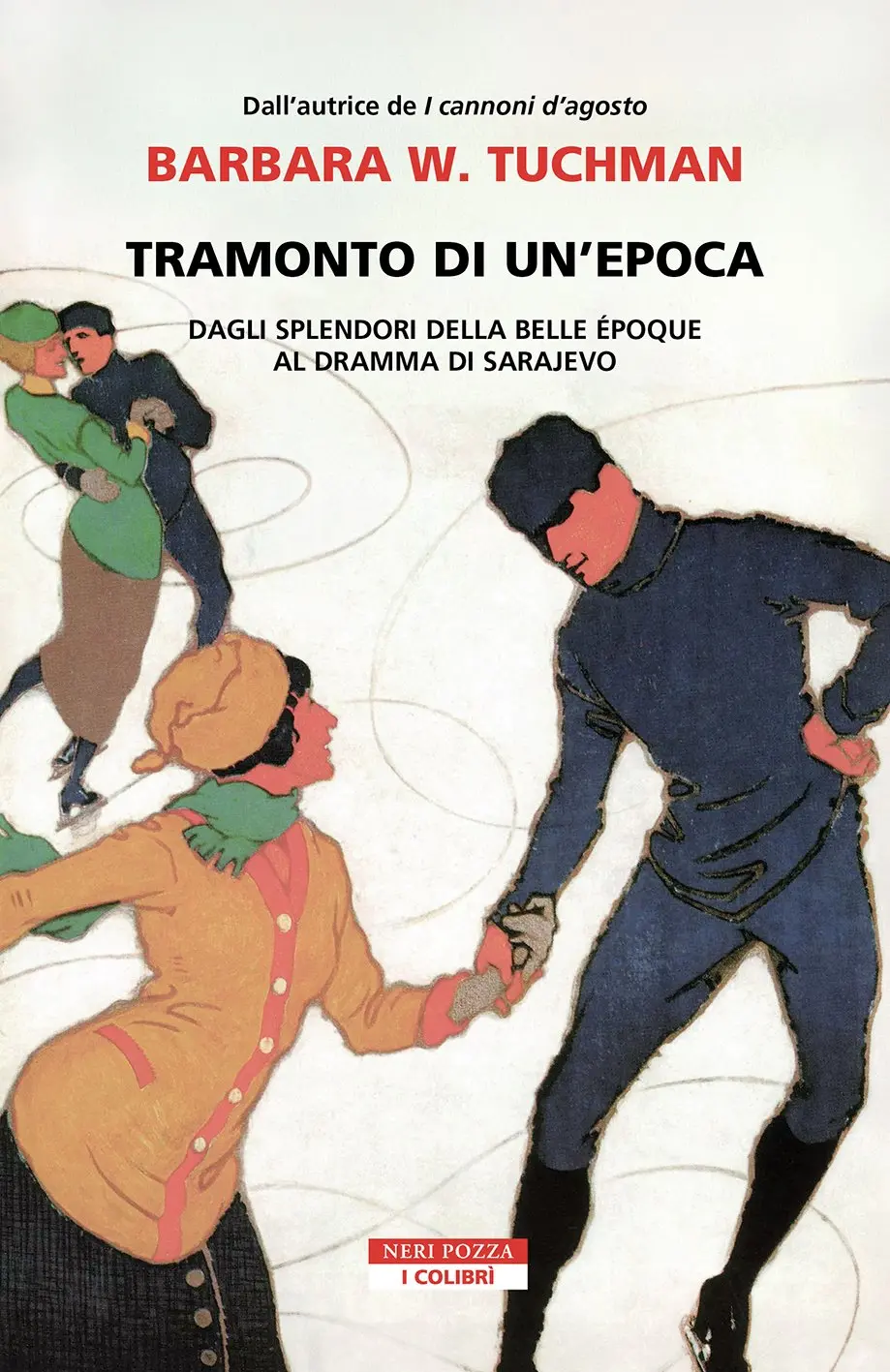
We must state this right away: it's nearly six hundred pages, read in one sitting. Tuchman, in fact, is not only a skilled writer, but she follows two principles that set her far apart from pompous historical accounts and thus make her work particularly enjoyable: she never loses sight of individuals and their daily lives, and she's not afraid to tell a story—that is, to engage in what today, with chic affectation, is called storytelling. Thanks to these virtues , the American writer brings to life the world that unexpectedly slipped into the Great War, that quarter-century between the 19th and 20th centuries that has been called the Belle Époque , but which was carefree only in the nostalgic memories of a few.
Beneath the ashes of the Old Continent , tensions and resentments simmered that would ultimately erupt in immense carnage and the dissolution of four empires . Yet, just a few weeks before the declaration of war, almost everyone believed the world was destined for limitless progress. And that world revolved around a Europe at its apex on every level, from culture to science to the economy . It was a mirage.
Tuchman recounts, immersing himself in everyday life, the key moments that transformed the Belle Époque into the Great War: the splendor of the English aristocracy, the exploits of anarchists in Europe and America, the parliamentary struggle in the United States during the years of the turning point that was to put them on the road to world domination, France torn apart by the Dreyfus Affair, the art of Strauss and Hofmannsthal, Stravinsky and Diaghilev, the new liberalism of Lloyd George, the transition of socialism from the plane of ideas to that of political activity.
"Twilight of an Era" focuses on the events that led to the assassination of Franz Ferdinand of Habsburg in Sarajevo in 1914 , but also focuses on another high-profile murder, that of Jean Jaurès, leader of the French Socialist Party, in a café in Montmartre, which was a symbol of the Belle Époque.
A few shots, in Sarajevo and Paris, marked the beginning of the macabre dance that swept away an entire generation and an era. A few hours after Jaurès was killed, on July 31, 1914, Austria declared war on Serbia, and the world was never the same again.