


There are those who said “no”
Daniele Aristarco recounts the lives of women and men who fought for freedom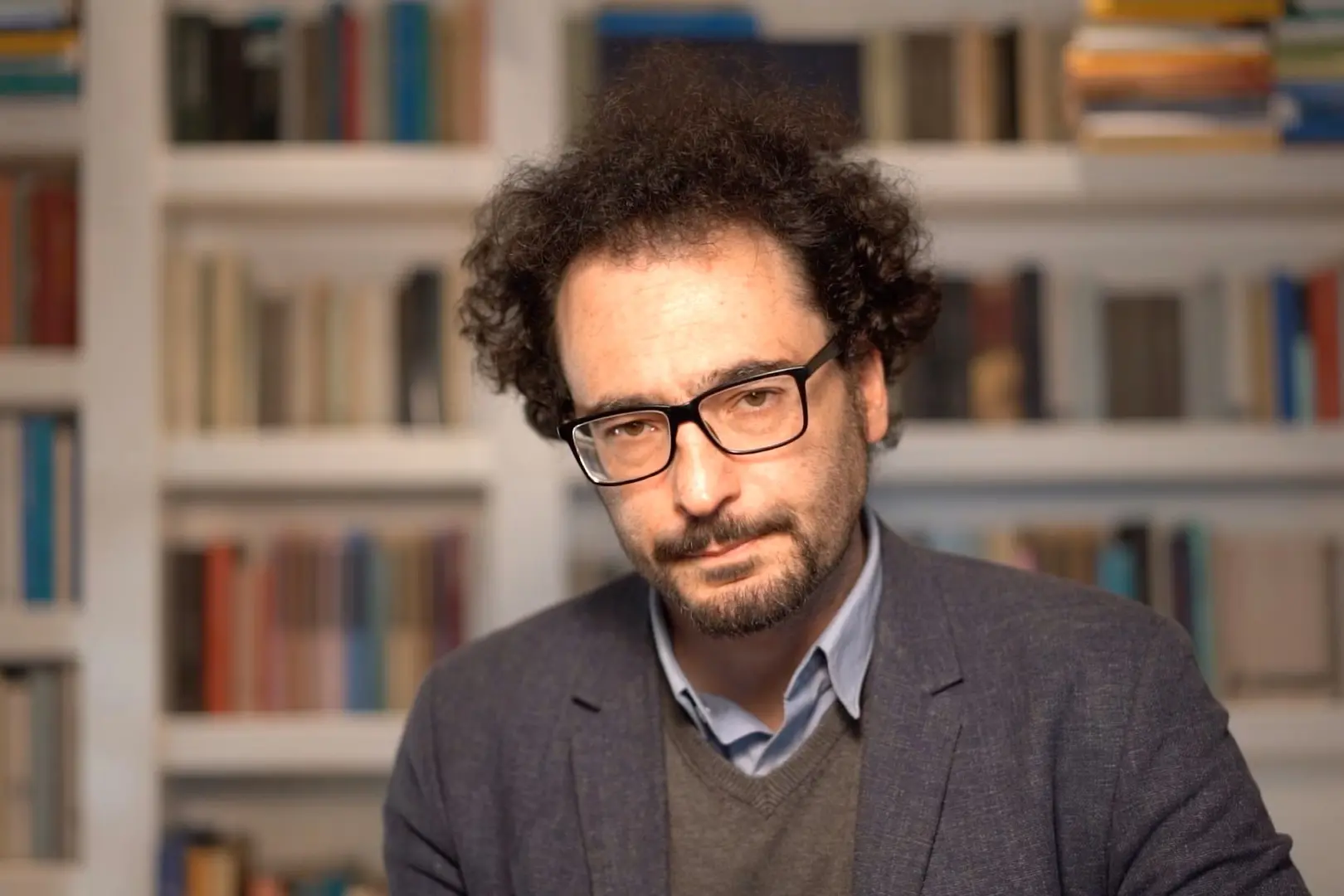
Per restare aggiornato entra nel nostro canale Whatsapp
About twenty years ago, a book written by child psychotherapist Asha Phillips, titled "No's That Help Us Grow," gained considerable popularity. The book's core was a simple premise: "By not saying no at the right time, we risk depriving ourselves and our loved ones of opportunities and resources." These indigestible "no's," so unconventional today, so far removed from the quiet life we're accustomed to, yet so difficult to pronounce, are therefore fundamental to an individual's personal growth. Reflecting on Asha Phillips's book, it naturally occurred to us that being able to say no is of paramount importance within society as well, as citizens. Acquiescence as a lifestyle can create monsters, poison public life, and quickly become indifference to the large and small distortions that surround us. Conversely, we must have the courage to swim against the tide, even if it means finding ourselves alone and paying a price.
These are the lessons that boys and girls can find in Io dico no! (Einaudi Ragazzi 2026, €9.90, 64 pages), four short volumes in which Daniele Aristarco recounts the lives of women and men who changed history by opposing those who sought to impose injustice, discrimination, and violence.
The protagonists of these volumes are not invincible heroes, but people who had the courage to stand up to injustice, to choose the truth, to not bow to fear or indifference. In I Say No! To Racism, we find Martin Luther King, Lincoln, and Mandela, while in I Say No! To Discrimination, the protagonists are the suffragists and Franca Viola, the first woman to oppose shotgun marriage. In I Say No! To Injustice, we read the stories of Don Milani and Russian journalist Anna Politkovskaya, while in I Say No! To Dictatorships, the ball is passed to the professors who did not swear allegiance to fascism and to the people fighting against those who want to overturn the Holocaust.
Daniele Aristarco thus gives voice to great men and women who fought for freedom and justice, transforming anger into commitment, loneliness into words, hope into action. Each book thus becomes an invitation to reflect and act, to not remain spectators but to become protagonists of change .
As Aristarchus writes in the introduction to the book I Say No! To Dictatorships: "Dictators almost always claim to work for the good of their country. But be careful: for them, "good" isn't something that concerns everyone; it's not justice, solidarity, or rights. Good coincides with the economic interests of the dictator and his supporters. Thus, to strengthen their power, they limit the freedom of others, silence criticism, and spread terror. This system breeds silence, solitude, and fear. But it also breeds habit. We become accustomed to not being able to speak, to seeing our rights trampled upon, to thinking there is no alternative. This is the greatest danger: when injustice becomes so commonplace that it seems normal. When a population rises up or when a dictator is defeated, for example in war, the dictatorship ends. But one dictator can be followed by another. And even when a people adopts a different form of government, that doesn't mean a new dictator can't emerge in the future. Or a new form of dictatorship. Those ideas of violence and oppression change face, they hide behind new words, but the mechanisms remain the same..."
.
