

The Lobby's Hands on the European Union
Ursula Gates: Frédéric Baldan's courageous investigative book
Per restare aggiornato entra nel nostro canale Whatsapp
Europeans are gradually falling out of love with Europe. Indeed, they are falling out of love with the European Union. The reason, in our opinion, is very simple: the events of recent years have not led to any concrete decisions to address the major limitation of the current united Europe : the limited influence citizens have on any kind of decision . This is a major problem that continues to be ignored in the corridors of power, with the result that every decision at the European level appears to the layman to have been imposed from above, after being worked out in secret chambers of economic and political power.
This impression is corroborated by the fact that almost everything is decided by the various commissions in Strasbourg or Brussels, or by technical bodies like the ECB, while the European Parliament, whose members are elected by citizens, has excessively limited powers . This is a grotesque and tragic lack of democracy, precisely in a Union that claims to be a bastion of democratic principles. At the level of European institutions, however, every sign of unease, every protest and dissent continues to be dismissed superficially, calling it populism, anti-Europeanism, or selfish vested interests. They behave like ostriches and ignore the problem, out of excessive fear that listening to the voice of citizens and empowering them to decide will undermine the delicate mechanisms that hold the Union together. Or worse, they turn a deaf ear to the fact that behind certain anti-democratic mechanisms lie the enormous interests of powerful economic and political groups.
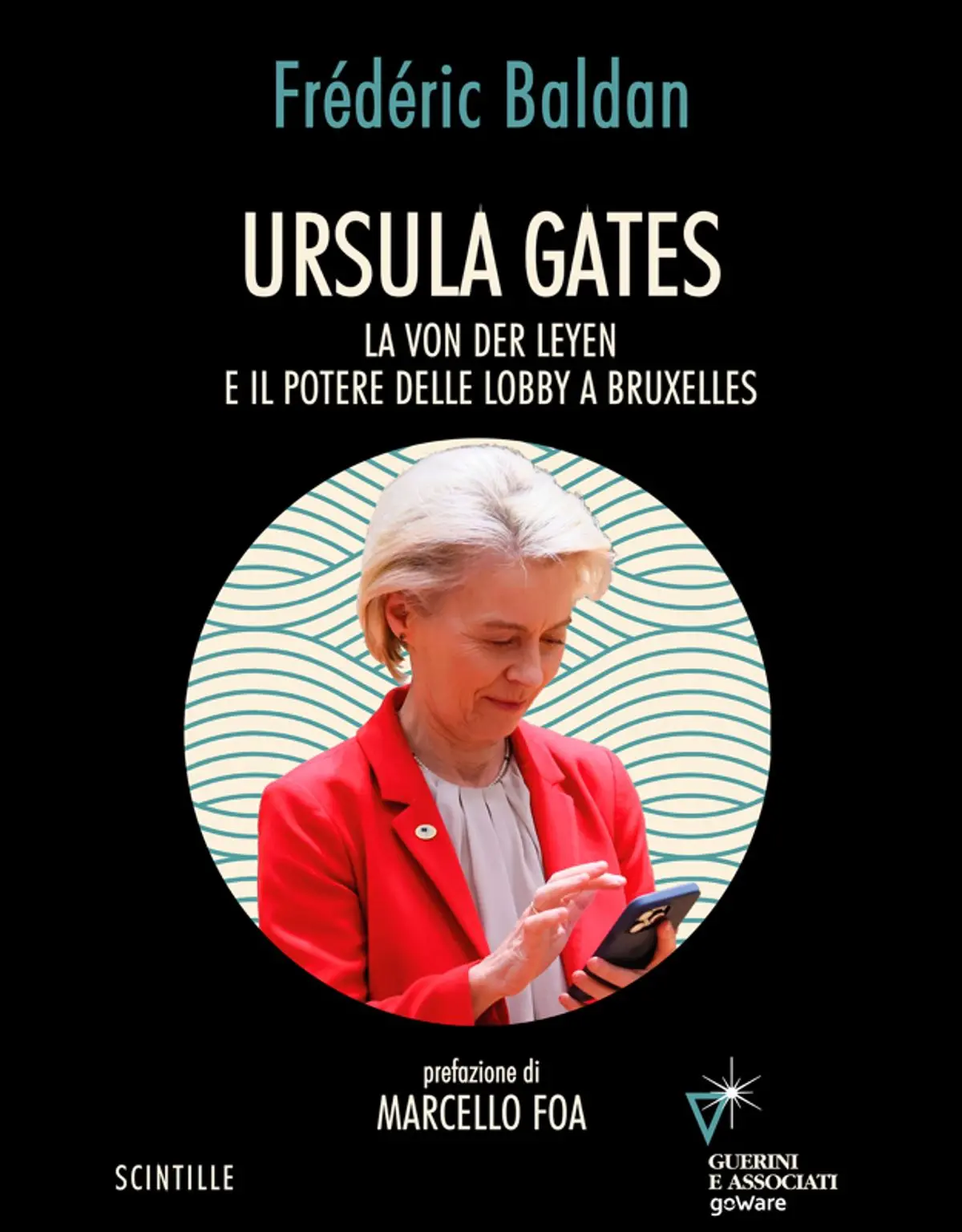
The book Ursula Gates (Guerini e Associati, 2025, pp. 356, also available as an e-book) addresses precisely the issues we outlined above: the power of lobbies, the lack of democracy, and the lack of transparency within the institutions that govern Europe . At the forefront of it all is Ursula von der Leyen, the unshakeable and untouchable President of the European Commission since 2019.
But let's start from the beginning, April 5, 2023. An unprecedented criminal complaint is filed in Liège: Ursula von der Leyen herself is in the crosshairs. Corruption, abuse of power, and destruction of documents: these are the charges linked to the secret negotiations, conducted via text message, with the CEO of the pharmaceutical company Pfizer, Albert Bourla. At stake were billion-dollar contracts and the right of European citizens to transparency.
This is where "SMSgate" began, a case that shook European institutions and exposed the opaque mechanisms underlying the management of the Covid crisis. These mechanisms are described by the book's author, former lobbyist Frédéric Baldan, drawing on his firsthand experience within the European institutions. As Marcello Goa writes in the introduction to the book, Ursula Gates is "not a pamphlet, nor simply another denunciation essay, but much more: a testimony of extraordinary courage and decidedly rare. Lobbyist Baldan, first and foremost, exposes the dark side of the world he has coexisted with for many years, that of the most powerful lobbies, which operates within national and, above all, international institutions. And he does so with extraordinary precision, documenting all his assertions and deductions."
In this book, Frédéric Baldan, in fact, tells his story in the first person and brings to light what remains hidden: starting from the true story of von der Leyen, he reveals the lobbies that shape political decisions and the conflicts of interest that undermine democratic trust, he unmasks a (European) justice system subservient to political power.
The courageous and well-documented investigation raises questions that expose the dark evil clouding the European Union's credibility: whose interests prevail over citizens' fundamental rights? Why do citizens have no say in decisions that affect them so closely? And above all: how can we regain control of our lives? An initial answer comes almost automatically: remembering that there is nothing more profoundly "European" than values such as democracy, freedom, and respect for the individual.
