

The Life of an Atypical Sicilian: The Story of Entrepreneur Sebastiano Buglisi
When anti-mafia isn't just words, but actions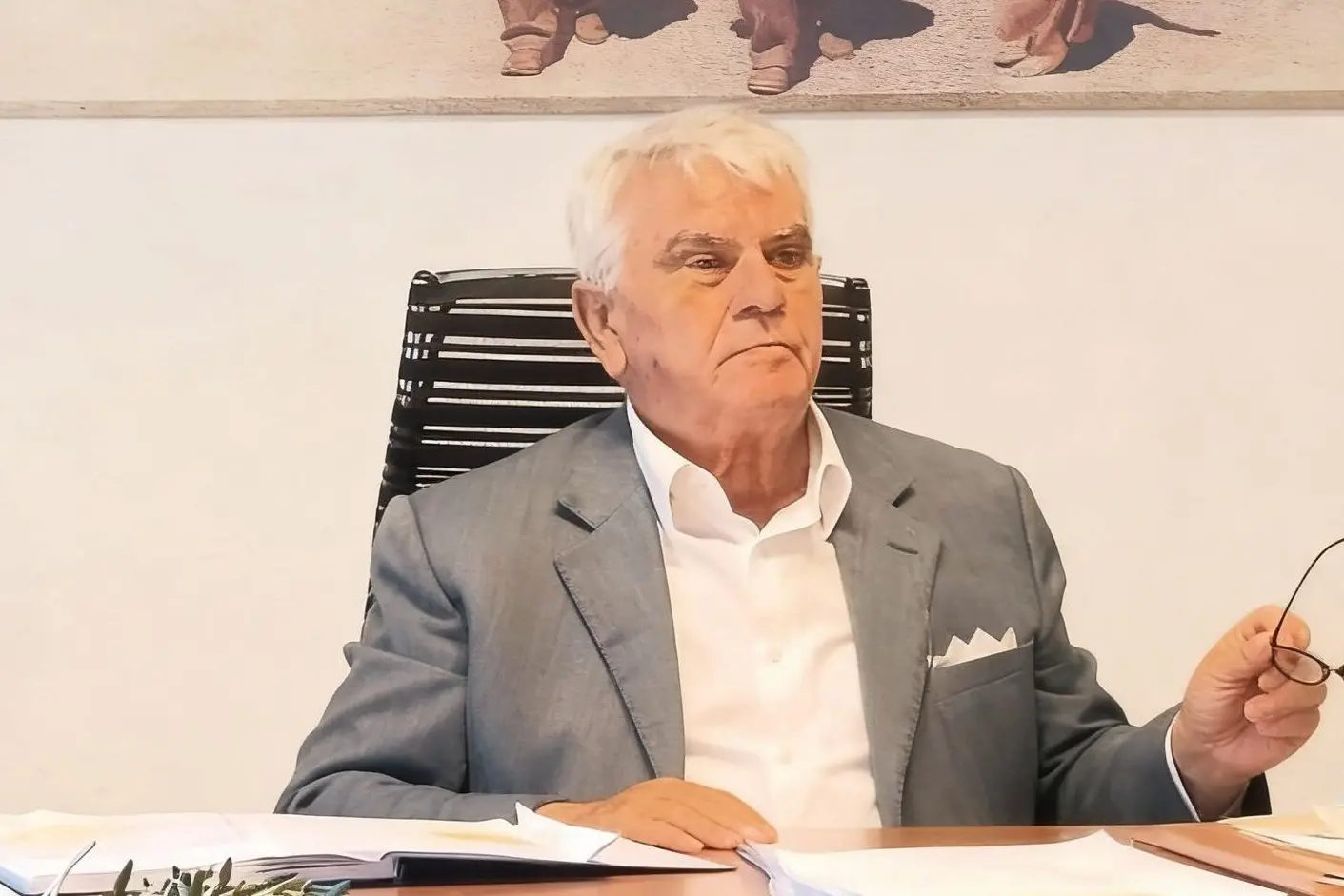
Per restare aggiornato entra nel nostro canale Whatsapp
Giovanni Falcone offered his own unique interpretation of the Mafia: "The Mafia, I repeat once again, is not a cancer that has accidentally spread over healthy tissue. It lives in perfect symbiosis with a myriad of protectors, accomplices, informants, debtors of all kinds, great and small-time masterminds, intimidated or blackmailed people from every strata of society. This is the breeding ground for the Cosa Nostra, with all that this entails: direct or indirect, conscious or unconscious, voluntary or forced, often enjoying the support of the population."
According to the judge killed in the 1992 Capaci massacre, the Mafia would not exist in an environment lacking the human and social conditions for its growth and proliferation. It's true that living in an environment dominated by Mafia-like rules and attitudes without somehow becoming entangled or victimized is not easy. In situations like these, there's no denying it, it takes courage, perseverance, and the ability to be somewhat atypical. In short, one must deviate from the norm, from common rules, or from a general pattern.
This is what the Sicilian entrepreneur Sebastiano Buglisi did in his life, author together with the journalist Antonio Armano of the book L'antimafia dei fatti (Baldini+Castoldi, 2026, pp. 144, also e-book).

"Yes, I was afraid. Then I stopped being afraid," Buglisi recounts in his book, which reconstructs his story as an atypical man and entrepreneur in a Sicilian (and Italian) world accustomed to compromise, cronyism, and intimidation. Sebastiano Buglisi, born in the province of Messina in 1948, grew up in an ancient and demanding world, where work is learned at an early age. In 1984, he founded EdS, transforming it over time from a small company operating in the construction and excavation sectors into a structured enterprise with over 300 professionals. Under his leadership, the company participated in nationally significant projects in the transportation, telecommunications, and energy sectors. Above all, having become an entrepreneur, Buglisi rejected any compromise with the mafia and chose a clear path: reporting, testifying, and seeing things through to the end.
Threats, damage, and pressure don't stop him. His reports land members of nearly every mafia organization in jail: Cosa Nostra, 'Ndrangheta, and Sacra Corona Unita, in a rare move in the Italian landscape, far removed from any pursuit of visibility.
But when he hires a mafia informer who has paid his debt to justice, accusations and suspicions arise. The story then opens up to the contradictions of the anti-mafia world, where words can become more cumbersome than actions and instantly cast shadows on a linear path that has lasted decades.
From the Sicily of oil lamps and carts on the last peaks of the Peloritani mountains, to the construction of a business that became the target of organized crime, L'antimafia dei fatti reveals the portrait of a man who never sought the role of hero, but continued to do what he believed was right, even when it would have been much more convenient to step back. In short, Buglisi's autobiography focuses on the cost of choices—a cost a citizen should never be forced to pay in a state worthy of the name.
