


The Cabinet approves the Bill Decree: "15 euros less per megawatt-hour."
Price cap on gas and electricity. Meloni: "We're protecting citizens." But there are doubts about the actual savings: "Only €17 per year."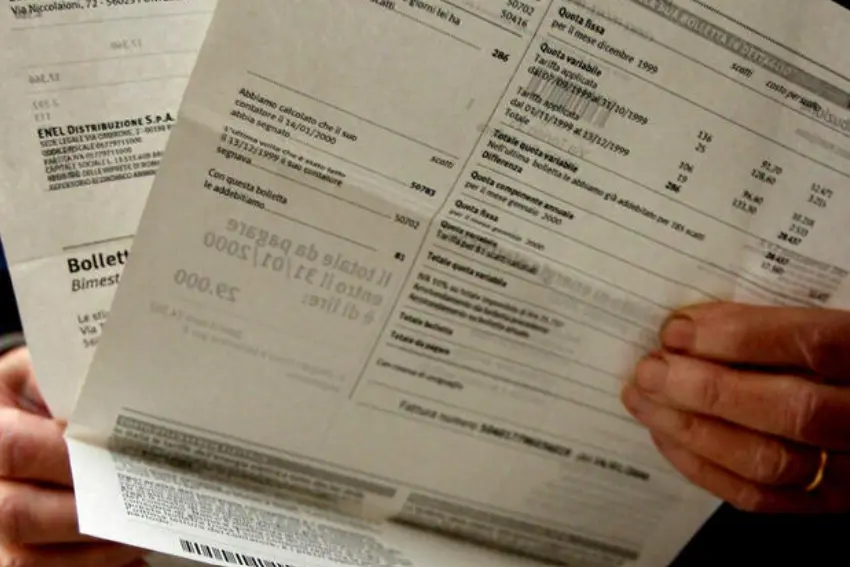
(Handle)
Per restare aggiornato entra nel nostro canale Whatsapp
The Council of Ministers approved the new text of the Bills Decree, including the mechanism for lowering electricity rates, painstakingly agreed upon with the European Union.
"Starting in January, the decree's measures will allow for an average reduction of approximately 15 euros per megawatt-hour," declared Energy Security Minister Gilberto Pichetto Fratin at the end of the Council of Ministers meeting.
Prime Minister Giorgia Meloni explained that the decree addresses the "mechanism that drives up electricity prices due to the cost of gas," with "three specific measures: a cap on the gas used to produce electricity at €58.90 per megawatt hour; ensuring that the benefits of lower-cost energy are reflected in bills, preventing producers from holding back production capacity to drive up prices; and protecting the savings intended for consumers by preventing electricity companies from passing on the higher costs to their customers."
"We have asked that the lower costs of renewables truly translate into benefits for families and businesses," the Prime Minister said. "We know that correcting this mechanism could displease those who have derived very high profits from it. But our job is to defend the interests of citizens." She added that "we expect significant benefits from the Decree," but "its effects will take time."
The decree law introduces, starting in January, a price cap of €58.90 per megawatt-hour on the price of gas for electricity generation (currently €82.20), for a maximum of 18 months. This reduction also reduces the wholesale price of electricity, the so-called Pun, which in Italy is closely tied to the price of gas (currently €313 per megawatt-hour, compared to €107 a year ago).
The reduction in the PUN also reduces the final rate on bills for businesses and households. Electricity generating companies, which will have to buy gas at market prices but then sell electricity at a reduced price, will only receive a portion of the difference between the price cap and the market price of gas back through an additional charge on consumers' bills. Consumers will ultimately save money, however, because the reimbursement to producers will be less than the reduction in electricity rates. Furthermore, only users with variable rates will have to pay the charge, while those with fixed rates will not pay anything.
Confcommercio, which applauds the measure, claims it could reduce businesses' electricity bills by up to 10%. However, the climate think tank Ecco is less optimistic, estimating that the savings for an average user will ultimately be just €1.40 per month, or €17 per year.
(Unioneonline)