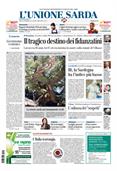


Torregrande, the LIPU (Italian League for Punishment and Protection of Animals) issues a formal notice to the municipality: "Remove Carpobrotus from the waterfront."
The plant chosen to decorate the area considered an invasive alien speciesPer restare aggiornato entra nel nostro canale Whatsapp
In Torregrande, it was chosen to decorate the seafront, but in many coastal areas it is instead being removed to prevent its spread. This is the paradox of Carpobrotus, an exotic plant known as the Hottentot fig or witch's claw, which has come under scrutiny by the Italian League for the Protection of Plants (LIPU). The Oristano provincial delegation has filed a formal formal notice with the Municipality, requesting that it remove the specimens planted along the Eleonora d'Arborea seafront and prohibit their use in future public green spaces.
The complaint, signed by provincial delegate Gabriele Pinna and addressed to the mayor, the Environment Councillor, and the Public Parks offices, was also forwarded for information to the Region, the Municipality of Cabras, which manages the Sinis Marine Protected Area, and the Forestry Corps.
According to LIPU, Carpobrotus is one of the most harmful invasive alien species for coastal ecosystems: its proliferation creates extensive plant carpets that suffocate native flora and hinder the regeneration of dune habitats.
Supporting the argument is Professor Gianluigi Bacchetta, professor of Systematic Botany at the University of Cagliari, who received the Golden Oak Award for his achievements in thirty years of research and conservation efforts throughout the Mediterranean. His studies highlight the competition between these plants and spontaneous vegetation and the alteration of soil characteristics.
The formal notice also raises questions about the lack of an Environmental Impact Assessment, given the project's proximity to the Mistras Special Environmental Protection Area (SEC), a Natura 2000 site.
Three requests: remove the specimens, ban the use of invasive species in public greenery projects, and replace them with native Mediterranean scrub and Sardinian dune flora. The Municipality must respond within 30 days.