Nutria emergency: containment plan kicks in
Thousands of specimens on the island, a census begins. "It's wrong to feed them; they can be dangerous."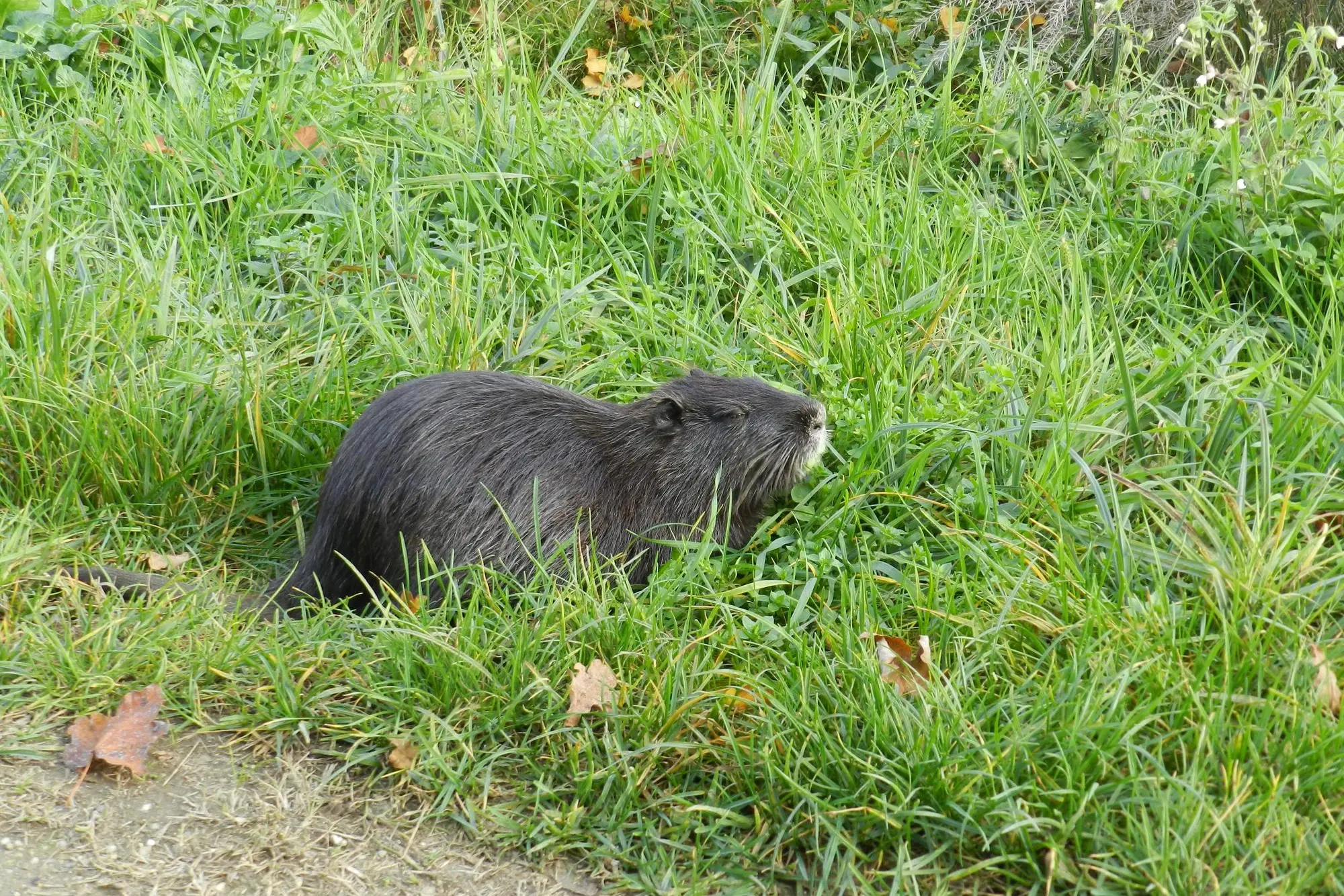
Per restare aggiornato entra nel nostro canale Whatsapp
The long, quivering whiskers, the dark fur, and those distinctive, disturbing orange teeth. In urban parks and along the dense network of canals around Cagliari, encountering a coypu is no longer an exceptional occurrence. For many, it's an animal that almost makes you smile; for others, a "large water rat" that evokes revulsion. Scientific reality, however, dispels all doubt: the coypu is officially included in the blacklist of the world's one hundred most harmful invasive species, and classified as a European Union alien species—meaning its impacts on biodiversity are so severe that uniform action is required across the European Union.
The recent attack on Bianca Fusco and her dog, Liquirizia, at Nervi Park on the city's coast has brought renewed attention to an emergency that can no longer be postponed. The government's response is already underway: the Region has launched a new containment plan, and the Metropolitan City is ready to act accordingly.
The containment
This semi-aquatic rodent, native to South America, has found a kind of paradise on the island. This is thanks to the lack of natural predators, which has encouraged its uncontrolled proliferation. No census has been conducted so far, but authorities estimate the number of specimens is in the thousands.
The damage isn't limited to coexistence with humans and other animal species: their burrows destroy riverbanks, jeopardizing the integrity of canals, devastating crops, and disrupting the fragile balance of wetlands. For this reason, the Regional Department of the Environment has approved the new Control and Containment Plan. The new text introduces a strategic revolution: an end to patchy interventions. The plan requires municipalities to transcend old administrative boundaries and work together within specific "hydrographic areas" (rivers, canals, and basins). How? "Through the census and containment of coypu populations, and not their eradication," the document specifies, "with the exception of isolated and small populations."
The guidelines
The Metropolitan City of Cagliari is also ready to move forward on this new path. "The Environment Department is preparing the program based on regional guidelines," confirms Councilor Matteo Massa. The focus is on wetlands, where the damage to agriculture and water resources is most severe.
The situation is different for city parks, which aren't reflected in regional priorities. "We will, however, consult with municipalities to determine how to proceed in public parks," Massa specifies, "starting with information campaigns for citizens." There is, in fact, a mistake that needs to be corrected: "Feeding these animals causes them to lose their natural fear of humans and increases their fertility, creating potentially dangerous situations."
The attempts
Besides Terramaini and Su Siccu, Molentargius is also among the parks most affected by coypu settlements. Captures in recent years have eliminated around fifty individuals. "Today, the population has rebalanced," explains Luisanna Massa, head of the park's environmental department, "and we have no obvious damage to the banks or nesting sites." But the nanny effect is always lurking. And this is precisely where the future lies. A challenge the City of Cagliari intends to monitor closely: "In light of recent events," assures Luisa Giua Marassi, Councilor for Public Parks, "we will discuss with the Metropolitan City what actions to take in urban parks." The goal is clear: to ensure the safety of those who use green spaces while protecting the ecosystem.