Foreign students are a marginal phenomenon in Sardinia: only 0.4% of classes exceed the 30% threshold.
The Island, together with Puglia, is the Region with the lowest percentage of foreigners in the classrooms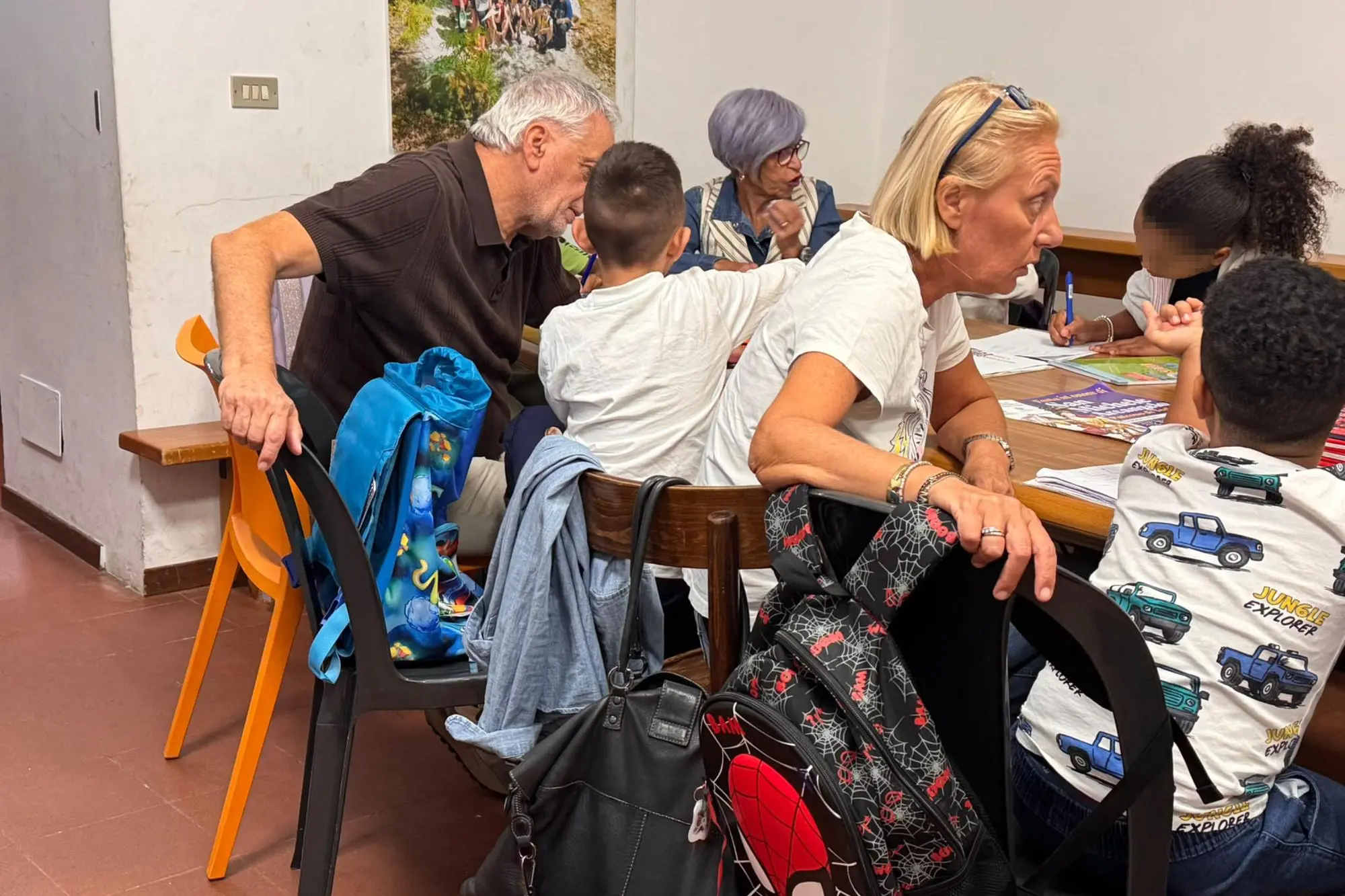
(Handle)
Per restare aggiornato entra nel nostro canale Whatsapp
Only 0.4% of classes in Sardinia exceed the 30% foreign-born share threshold , a limit introduced by the Meloni government's school decree .
In short, the decree will not affect Sardinia, even more so considering that the cap only applies to those without a sufficient educational background (i.e., in primary school, those not born in Italy or who have not attended at least two years of preschool, and in secondary school, those who have not successfully attended at least three years of school).
According to a reanalysis by Skuola.net , 4,223 schools (7.9%) in Italy have a foreign-language presence exceeding 30%; yesterday, Valditara had spoken of approximately 34,000 classes . At the same time, however, nearly two out of three foreigners were born in Italy .
Most foreigners are found in the North. In Lombardy, 16.8% of classrooms exceed the 30% threshold for foreigners, while in Emilia-Romagna, the percentage is 15.6% (with the highest percentage in primary schools, 25%) . Liguria follows (13.9% of classes), Piedmont (11.2%), Veneto (10.5%), and Tuscany (10.4%).
In the southern regions, on the contrary, the presence of classes above the 30% limit appears completely marginal, standing at 0.4% in Puglia and Sardinia, 0.6% in Campania, 1.1% in Basilicata and 1.5% in Sicily .
At the provincial level, the highest incidence on the total number of enrolled students belongs to Prato with 28% and Piacenza with 25.2% , while in terms of absolute volumes the largest numbers are concentrated in the large metropolitan areas of Milan (over 82 thousand foreign students), Rome (66 thousand) and Turin (40 thousand) .
There are approximately 930,000 foreign students overall, representing approximately 11.6% of the total school population. Nearly two out of three foreign students (65.2%) were actually born in Italy (so-called second-generation students). These are children and young people who have been educated in our country since their early years, who almost always speak Italian perfectly as their native language and encounter no linguistic barriers to learning. Consequently, if second-generation students are excluded from the calculation of classes above the 30% threshold and only foreign-born students, those who might encounter real linguistic barriers to entry, are counted, the percentage of critical classes drops dramatically.
(Unioneonline)