

Elephant Rock: UNESCO site enhancement work begins
The space between the road and the monument will be approximately 4.50 metres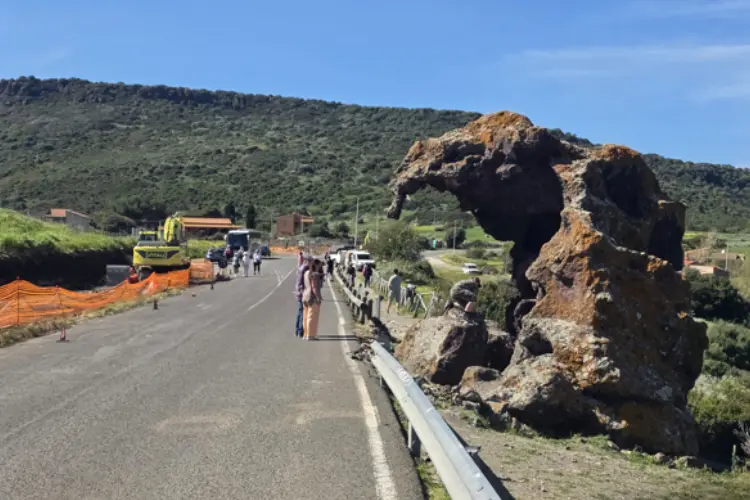
Per restare aggiornato entra nel nostro canale Whatsapp
The Municipality of Castelsardo has completed the works to enhance the UNESCO site of the Elephant Rock, with the aim of making the monument accessible in complete safety.
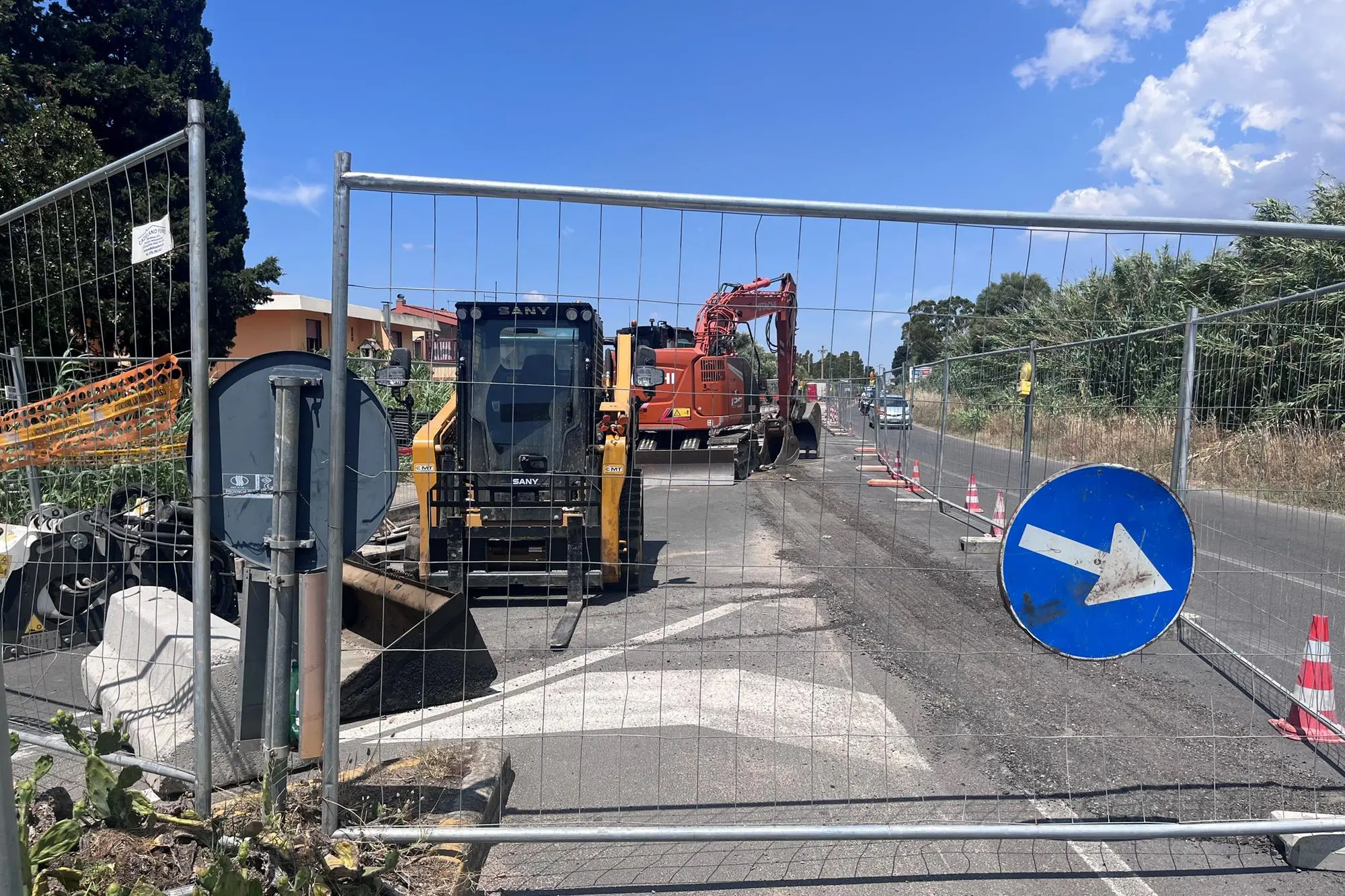
In recent days, Anas SpA began work, moving the asphalt roadway away from the site, currently subject to traffic that passes just a few centimeters from the Hypogeum. The space between the road and the monument will be approximately 4.5 meters. This space will be used by the municipal administration to enhance the area. The project, funded with €300,000 from the Northern Sardinia Metropolitan Network and an additional €150,000 from the Municipality of Castelsardo, was drafted by architect Salvatore Masala, with architect Nadia Achenza as sole project manager. The plan includes the construction of a pedestrian path, bordered by wooden fences; a lighting system for the pedestrian walkway; the planting of native trees and shrubs; and street furniture.
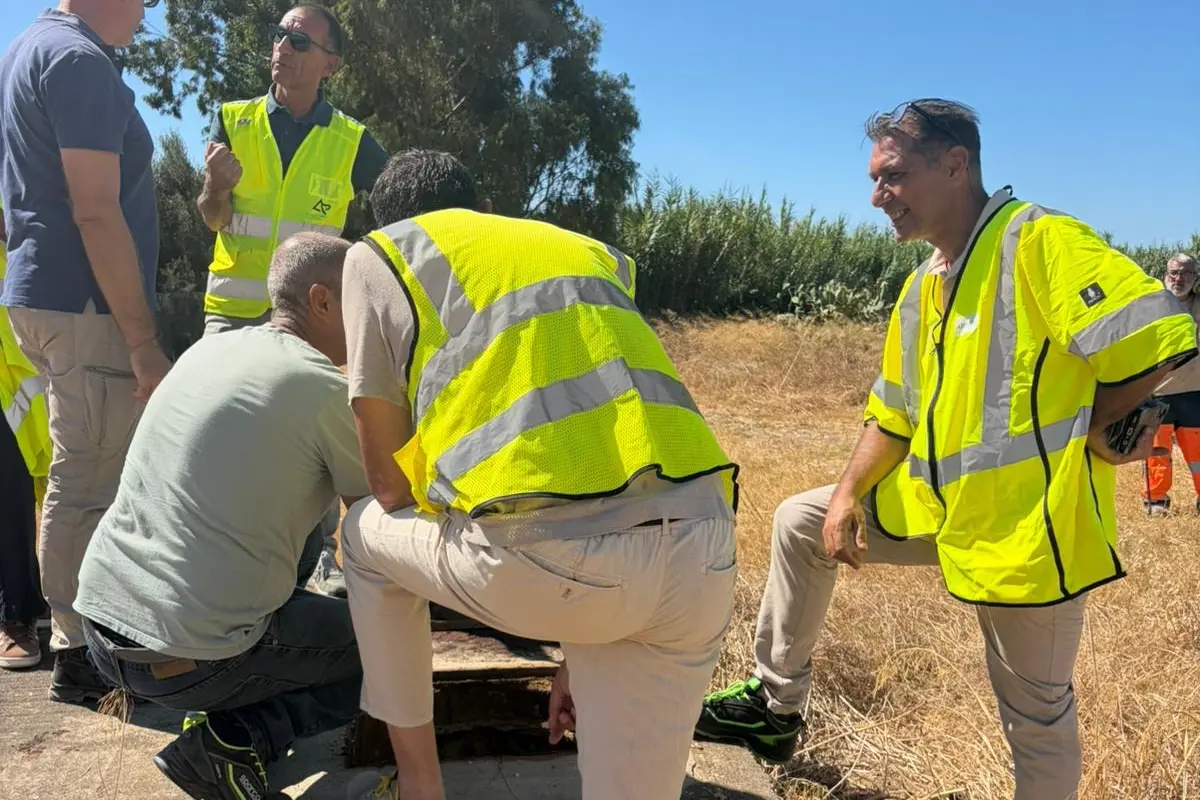
"The three-dimensional survey of the hypogeum has just been completed, in addition to the assessment of the possible presence of pigmentation and decorations in the chambers, interventions by the Ministry of Culture and the Regional Museum Directorate," Mayor Maria Lucia Tirotto stated . "With a resolution of the regional council in July 2025, the Municipality of Castelsardo will receive €500,000 for the conservation, safety, and accessibility of the hypogeum," Tirotto added. "We are developing a project to enhance and make accessible to people with disabilities the entire area of the Elephant Rock. Within a few hundred meters, there are the Nuraghe "Paddaggiu," the Domus Dejanas of "Scala Coperta," and the military bunkers from the Second World War."
The Elephant Rock has been a UNESCO World Heritage Site since July 12, 2025. The project, conceived in 2017 by then-mayor Franco Cuccureddu, was brought in by archaeologist Professor Giuseppa Tandagià. The process, promoted by CESIM, lasted seven years, building the candidacy dossier and the inscription on the UNESCO Tentative List, along with the Superintendencies and the Regional Museums Directorate. The Elephant Rock, an enormous boulder of trachyte and andesite, shaped by time to take on the form of an animal, houses two Domus de Janas (houses of the dead), excavated on different levels, likely between 3200 and 2800 BC, which provide tangible evidence of the life of the Sardinians in the prehistoric Neolithic era .
"In the Castelsardo area, we have an archaeological heritage that ranges from the ancient Nuragic civilization to the contemporary era," explained Archaeological Heritage Councilor Christian Speziga. "Exploring and learning about our area's cultural and archaeological heritage means immersing yourself in a timeless dimension, where every stone, every place tells a story that also represents a fundamental resource for the local economy. Promoting these sites and locations contributes to the preservation of cultural heritage and fosters all tourism-related activities, such as crafts, restaurants, and hospitality."