Cagliari: New Master's Degree in Environmental and Forensic Toxicology
The new educational program, which combines science, health, and the fight against environmental crime, will be presented on July 27th in Monserrato.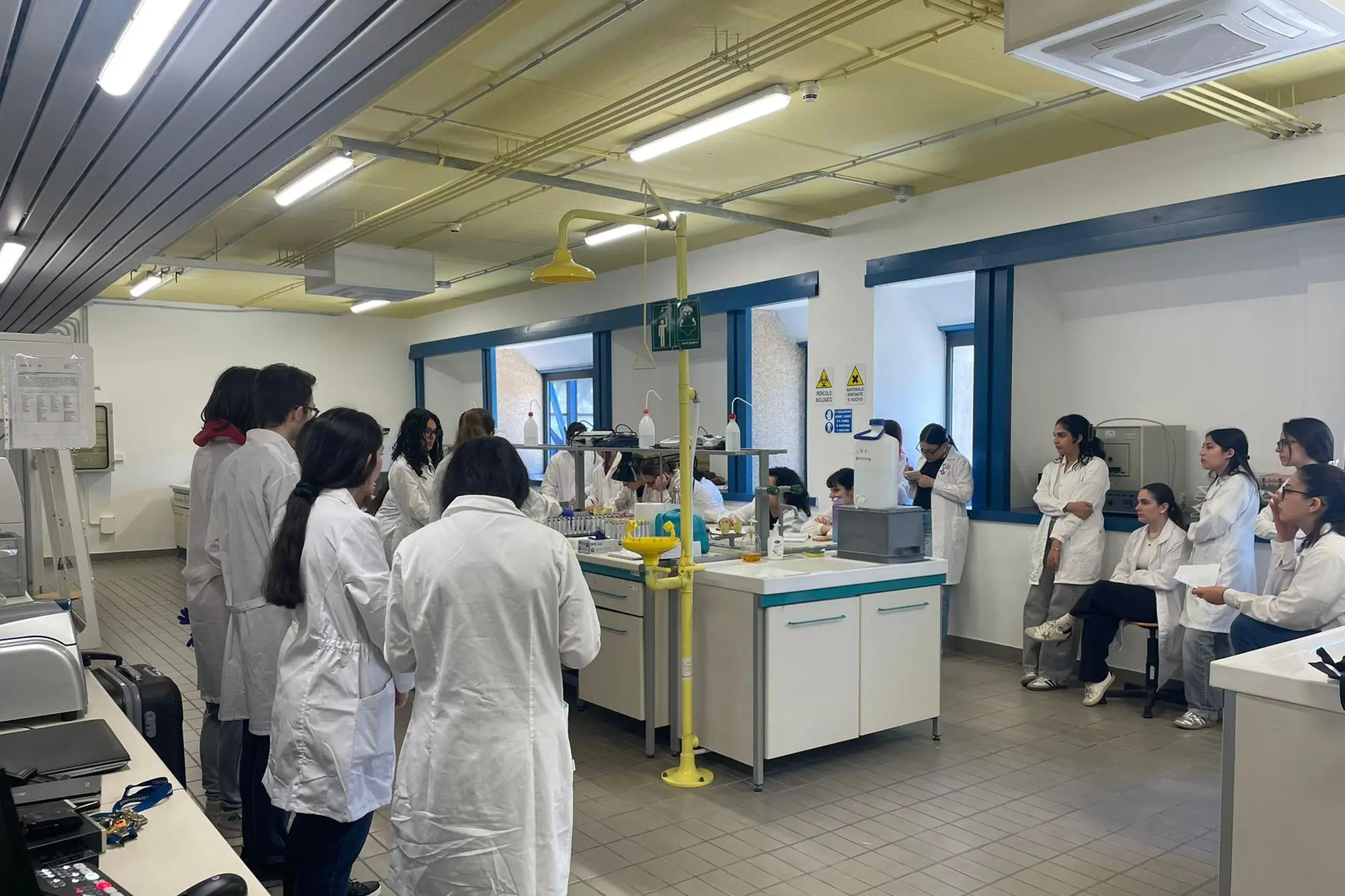
Per restare aggiornato entra nel nostro canale Whatsapp
The new master's degree program in Environmental and Forensic Toxicology arrives in Cagliari. The program, currently unique in Italy, offers students diverse career opportunities: laboratories, government agencies, special law enforcement units, customs, monopolies, organizations engaged in the fight against illegal waste trafficking, recovery operations, and combating crimes against natural heritage and archaeological sites, as well as illegal construction.
The first introductory meeting is scheduled for Monday, July 27, at the Cittadella Università di Monserrato. Speakers will include Patrizia Zavattari (coordinator, full professor, Department of Biomedical Sciences), faculty, law enforcement officials, and organizations involved in the TAF master's degree program in Environmental and Forensic Toxicology. The program offers comprehensive, multidisciplinary training in toxicology, health, the environment, and forensics . Admission is open to graduates from both the bachelor's degree program in Toxicological Sciences and Quality Control and other disciplines, including biology, pharmaceutics, laboratory technicians, botany, geology, genetics, chemistry, ecology, law, occupational medicine, mineral resources, and anthropology.
The TAF—which will be inaugurated on October 1st, in the 2026/27 academic year —was created to fill a regional gap in the training of specialists in toxicology, forensics, and the environment. "Sardinia is experiencing complex situations following the decommissioning of mining, industrial, and military sites. The course provides knowledge and analytical and interpretative skills on the processes involved in the causes or effects of crimes, offenses, and environmental disasters. It focuses on forensic and criminal aspects related to the assessment of human health risks," explains Patrizia Zavattari.
The University of Cagliari's new master's program "approaches study in a land with unique genetic, ecological, and environmental characteristics. It is a school and a springboard for career opportunities anywhere in the world." The program's promoting committee also took local needs into account when creating the program. "The program develops innovative professionals suited to toxicological, environmental, and forensic challenges and needs," says Professor Zavattari. Among the partners present at Monday's meeting were the AOU and Brotzu laboratories, the Customs and Monopolies agencies, and the Carabinieri special units (NOE and RIS), participating under a framework agreement with the University of Cagliari that encompasses teaching and research.
(Unioneonline/vf)