


“Beyond Silence,” Guarducci and Milandri’s novel tells the story of a couple and a new way of communicating.
A text on the power that human beings can deploy when they choose courage, novelty, and unorthodoxy.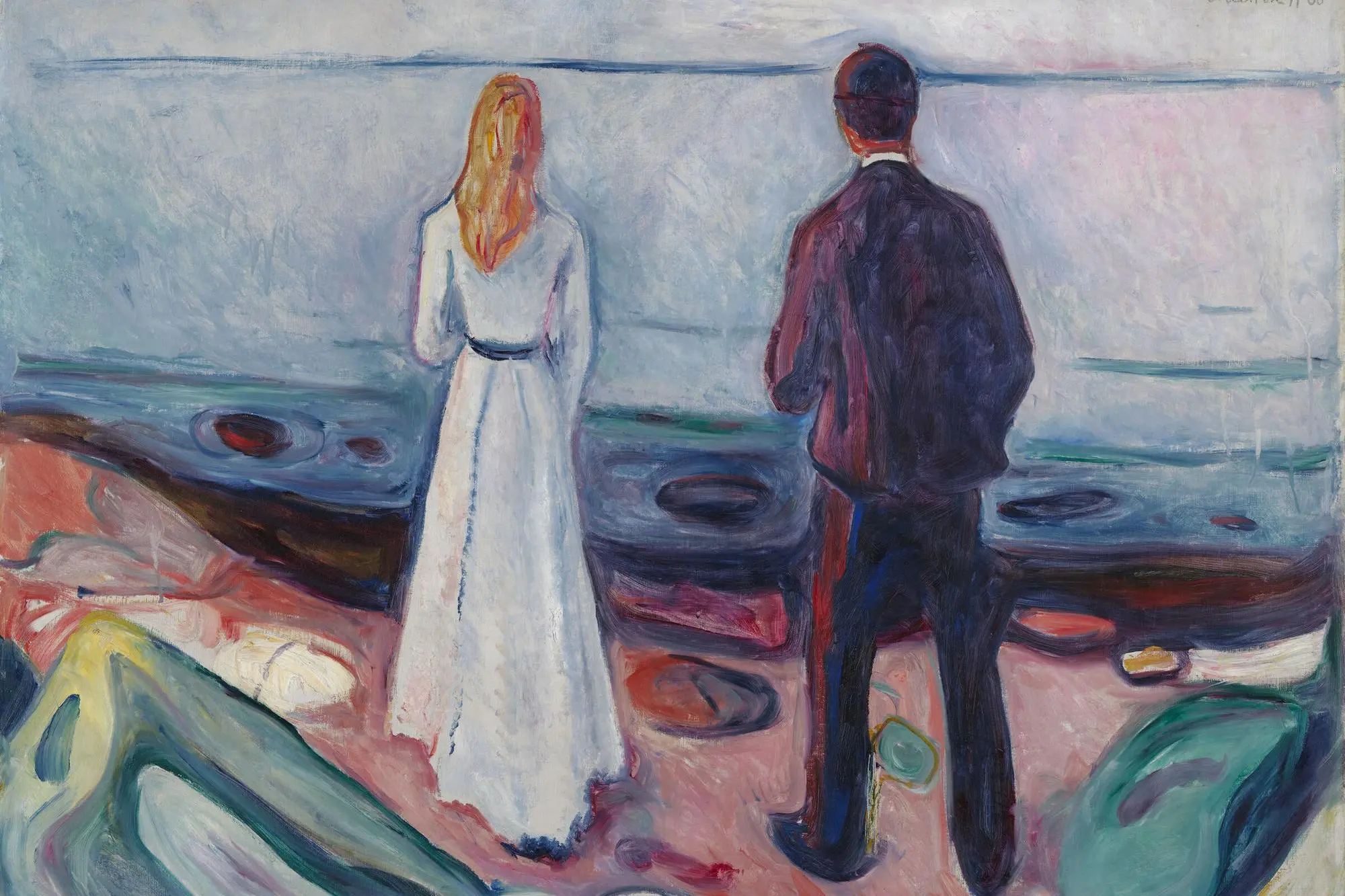
Per restare aggiornato entra nel nostro canale Whatsapp
A couple, a relationship that's fraying. Perhaps a relationship that never quite took off. She, Claudia, has too many questions and too many words. He, Teodoro, is too intimidated, intellectual, and withdrawn. The more they try to communicate, the less they connect. The more they ask the other to listen, the less the other hears. They find themselves facing a chasm carved out over time by small misunderstandings, sacrifices, unspoken words, and lack of empathy. They are increasingly individuals and are unable to recognize themselves in a "we" that belongs to both of them, that doesn't stifle their freedoms and expectations. They are one step away from giving up, then they find the strength to make room for...silence.
Thus begins Beyond Silence (Le Lettere, 2026, pp. 108) by Fabrizio Guarducci and Monica Milandri . Thus begins a chamber novel, almost a theatrical work, short but intense. A text about the power that human beings can deploy when they choose courage, novelty, unorthodoxy. Claudia and Teodoro decide to minimize words because they realize that verbal communication doesn't help them communicate. It creates misunderstandings, increases tensions. However, they don't choose the silence of indifference. They decide to find an unknown meeting place where their desire for connection can blossom. Then unexpected things happen, as we read in the book: "Claudia prepared breakfast for both of them. She placed the newspaper closest to him. She left the bathroom door ajar because she knew he would wash his hands before breakfast. And every time he understood—every time he greeted breakfast with a smile or sat down without asking for anything else—she felt a little trumpeting inside, as if they were learning a silent language of harmony. At first she'd thought, "We're adapting." Then, more courageously, "We're listening to each other." Now she knew it was something deeper. "We're rewriting each other." It was a slow writing, made not of letters, but of gestures. Of habits that slowly molded themselves to the other, not out of obligation, but out of delicacy. Like when you walk beside someone and, without realizing it, you adjust your pace. You don't ask yourself if it's you or they who are changing. You both do it, naturally."

In silence, Claudia and Teodoro discover they can make room for each other and find the space to do something for each other. In silence, they find sounds and echoes that words hid, and that only now can they fully appreciate.
They echo the words of the German philosopher and writer Ernst Jünger: "Silence is more powerful than any language, any name, any word. The same is true of every image which, in its figurative and symbolic language, represents an appearance, a specification, a delimitation of the indistinct."
Claudia and Teodoro don't see an end in silence, but they discover that there is a "beyond" where they can find each other, love each other, even talk to each other knowing that the masks, the empty words, the weight of unsaid things and embarrassment are no longer part of their lives.
